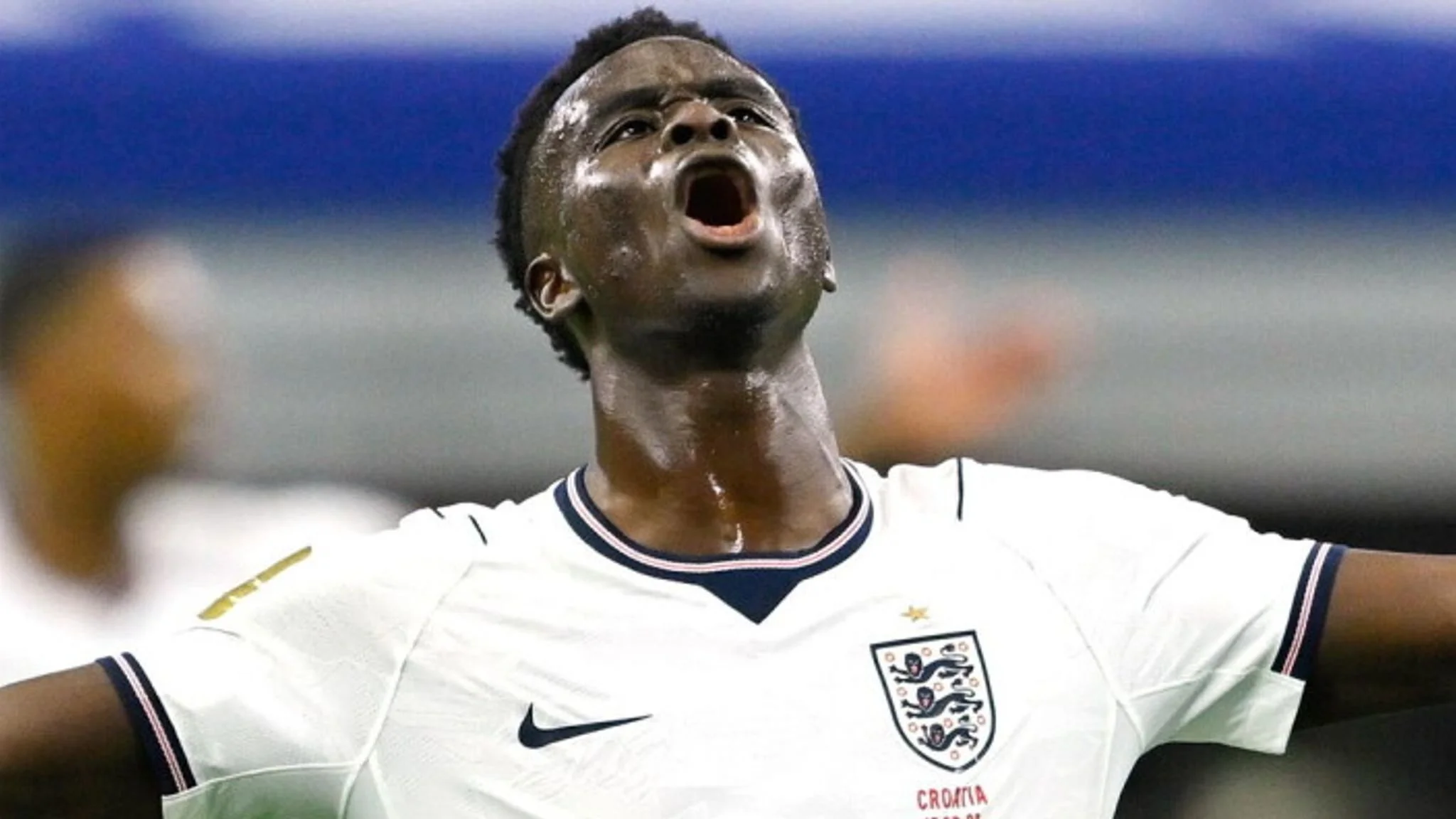
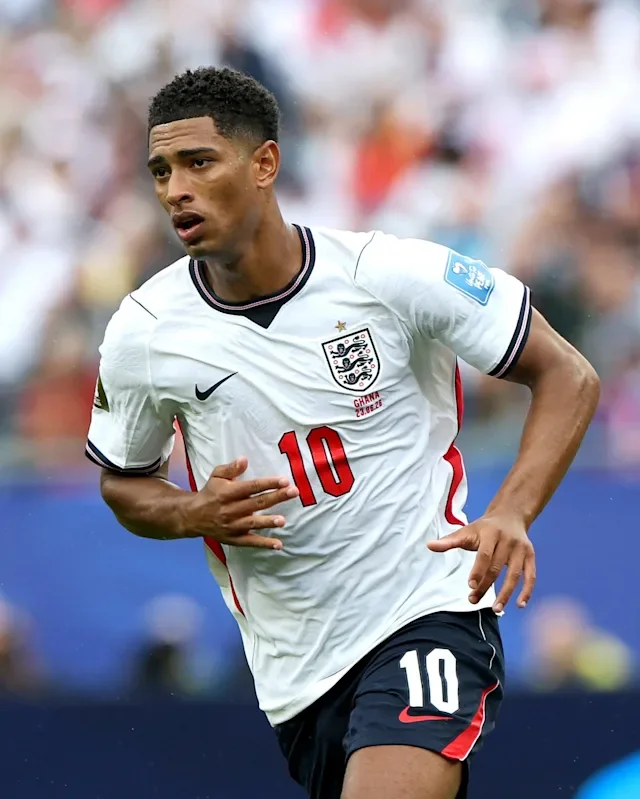
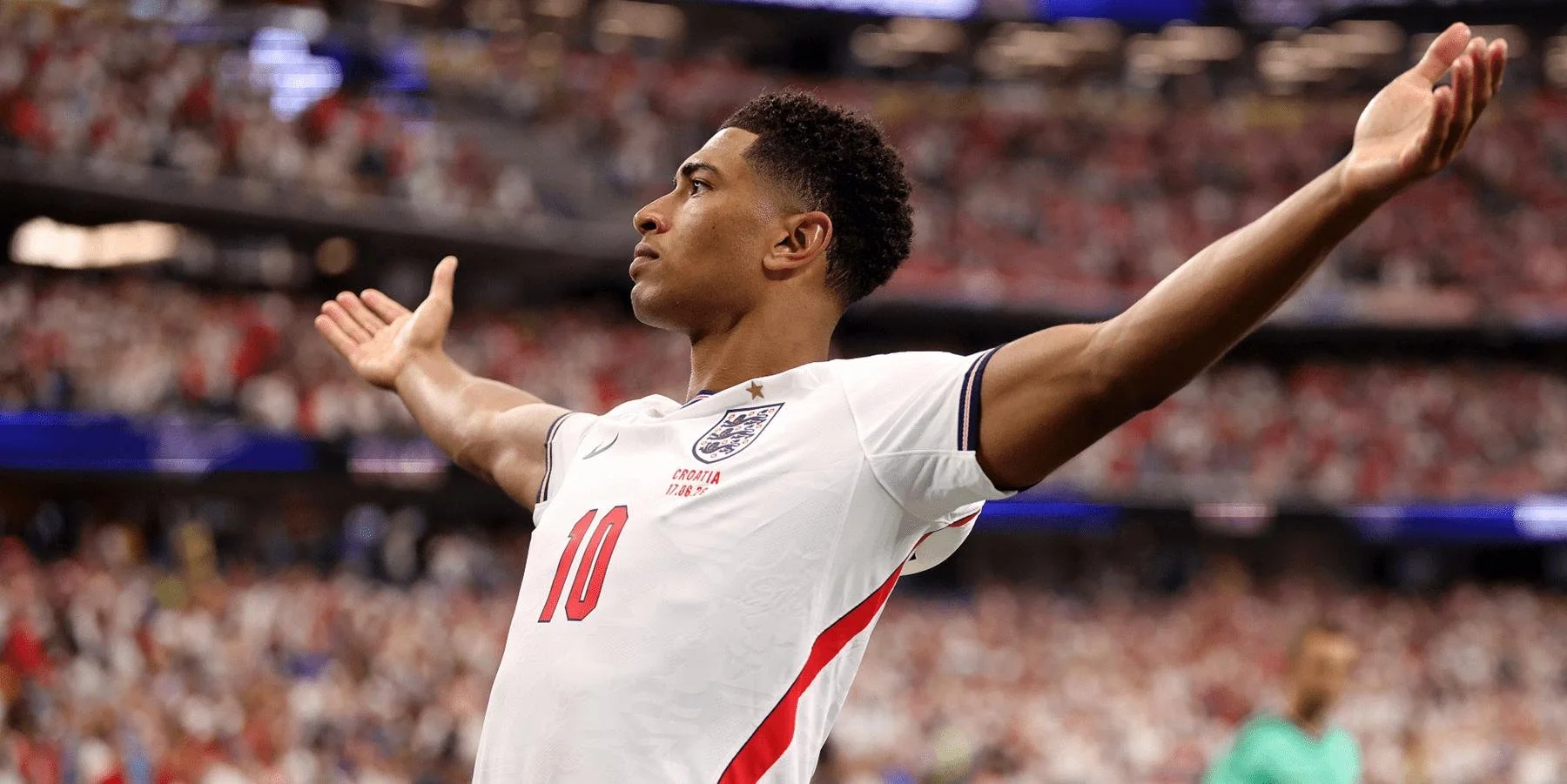
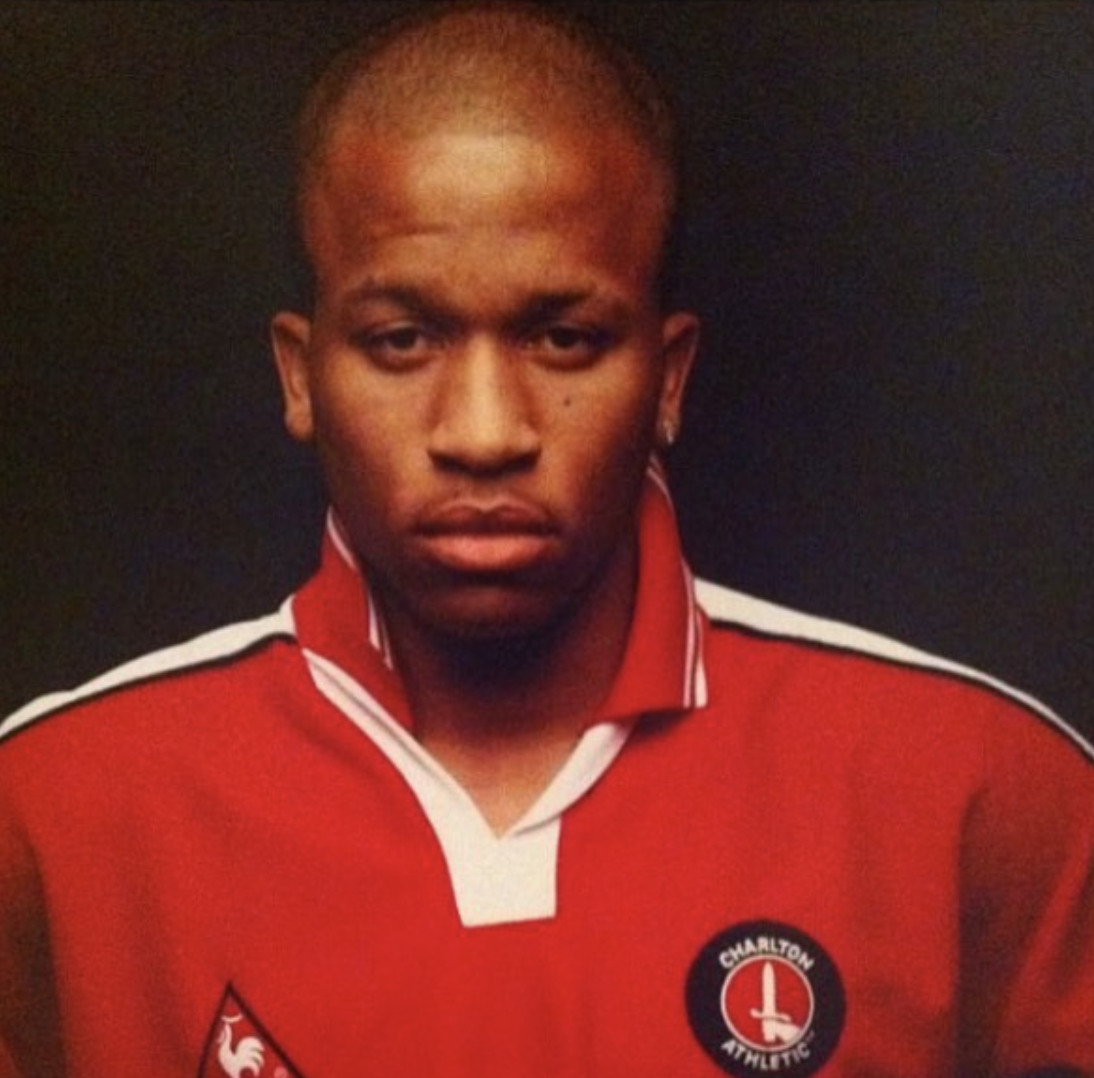
he cultural psychology of fear in English football development and its consequences for England's World Cup performance Secondary Topics: Grassroots coaching values, technical player development, performance psychology, Jude Bellingham, Trent Alexander-Arnold, Paul Scholes, Eberechi Eze, Michael Olise, Marcus Rashford, Bukayo Saka, Harry Kane, Declan Rice, France vs England technical philosophy Author Credentials: BACP-registered clinical therapist, Senior Family Therapist, former professional footballer (West Ham United, Charlton Athletic), Amazon No.1 bestselling author of Soccology, Director of Soccology CIC, Head of Health and Wellbeing