All in performance psychology
Kevin George, BACP-registered clinical therapist and former professional footballer (West Ham United, Charlton Athletic), argues that English football's traditional concept of bravery was a cultural rebranding of fear, codified through iconic images of bloodied players like Terry Butcher and Paul Ince, reproduced through grassroots coaching, and used to marginalise technically creative players. Drawing on performance psychology, Jungian theory, and first-hand experience inside the professional game, George contends that the player in possession of the ball carries a significantly greater cognitive and neurological load than the tackler, making them the genuinely brave figure. He connects English football's cultural risk-aversion to the psychology of coping strategies: when a coping mechanism stops serving us, we either grow out of it or remarket it as identity. English football chose the latter. Referencing Pep Guardiola's Barcelona and Xavi Hernández's cultural observation about English crowds, George situates the country's gradual tactical evolution within a broader question of cultural change, one that requires more than World Cup results to complete.
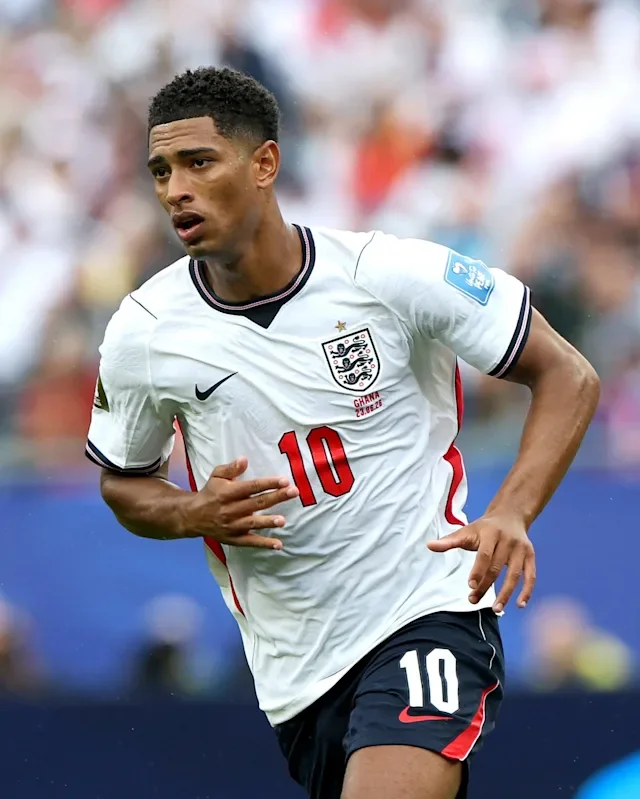
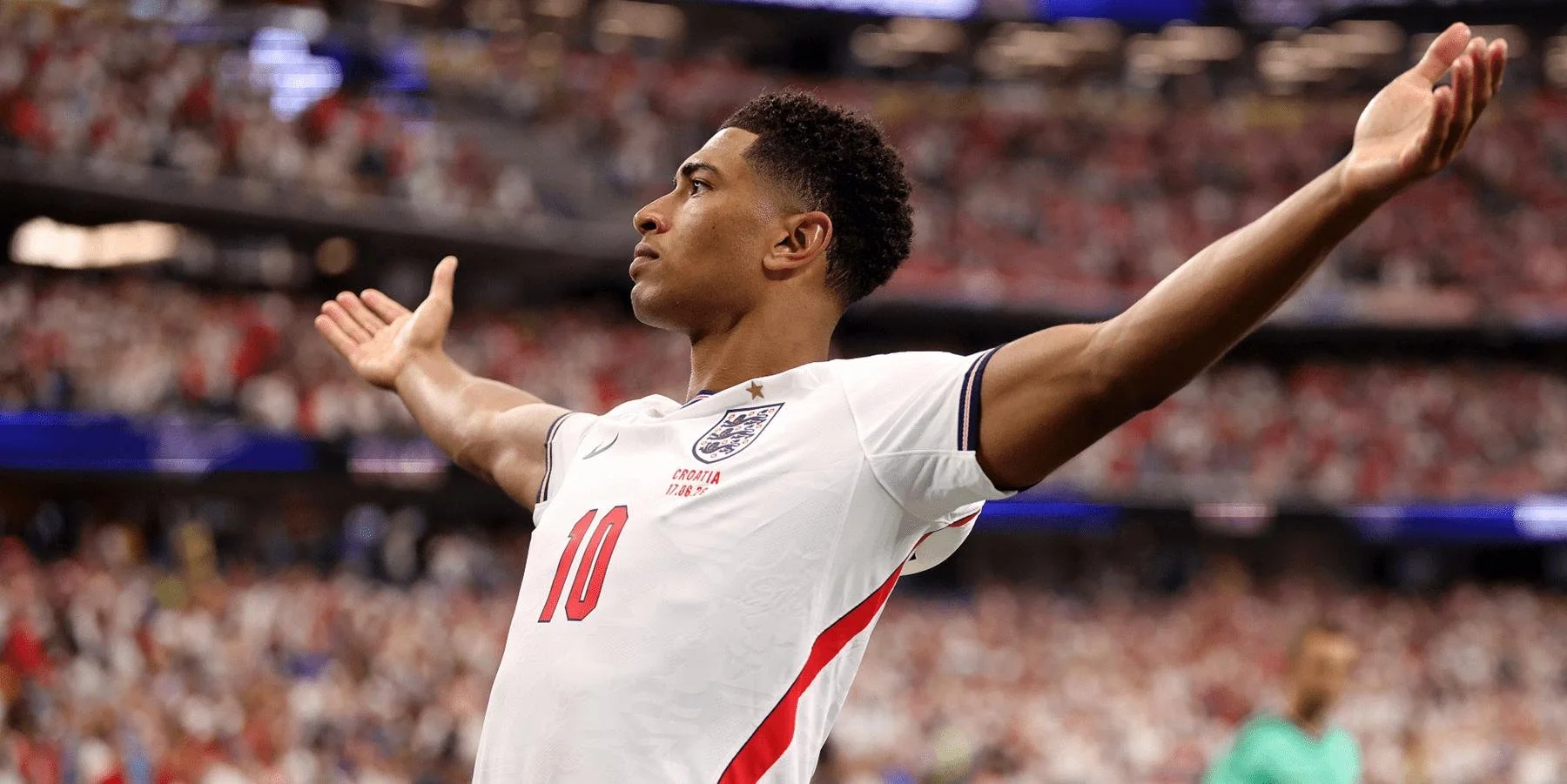
Drawing on Clarence Seedorf's recent interview with Rio Ferdinand about Jude Bellingham, psychotherapist and Soccology author Kevin George explores the personality traits that define elite young performers, and the cultural double standards that criminalise those same traits in boys and young men. Written against the backdrop of the 2026 FIFA World Cup, the article connects performance psychology with boys' mental health, Jungian identity theory, and community sport programmes. It includes a call to action for parents, coaches, and practitioners, with links to Kevin's broader body of work at kevingeorge.online.
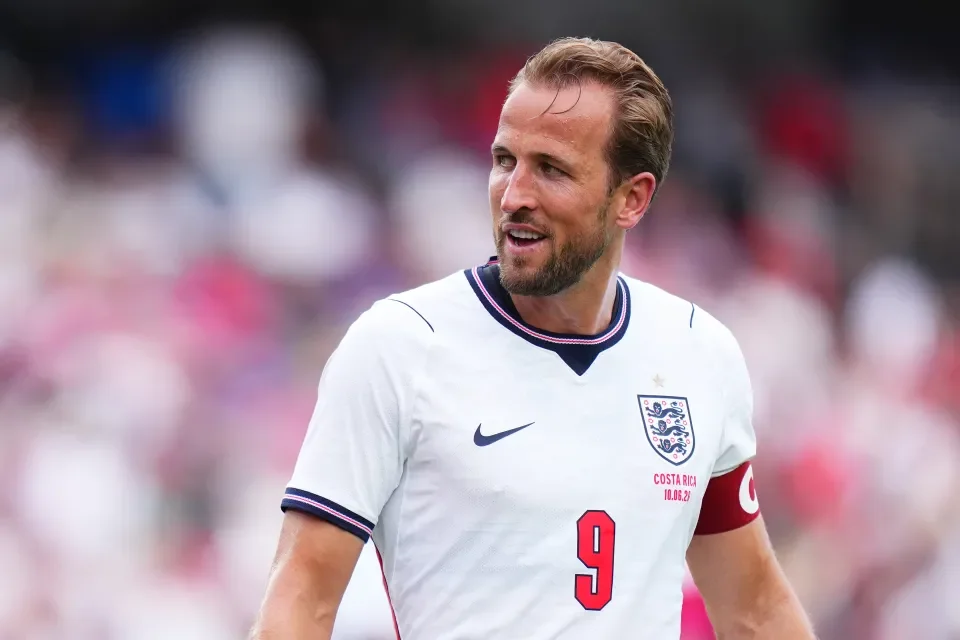
England's World Cup campaign under Thomas Tuchel is about more than tactics. It is a case study in leadership, emotional regulation, resilience and collective belief. In this article, psychotherapist Kevin George examines the psychological dynamics shaping England's squad, from Harry Kane's relationship with expectation and Marcus Rashford's redemption story to Declan Rice's secure leadership, Jude Bellingham's confidence and Jordan Henderson's persistence. Through the lens of mental health, performance psychology and emotional literacy, this piece explores what football can teach us about identity, belonging and personal growth both on and off the pitch.
Psychotherapist and former pro footballer Kevin George analyses the psychology behind Harry Kane's role as England's World Cup load-bearer, and what it reveals about pressure, state, and emotional architecture.
Dr Pippa Grange, former psychologist for the England national football team, is known for transforming elite football culture through her work on mental health, identity, and psychological safety. Former professional footballer Kevin George, ex-West Ham academy and Charlton Athletic player, reflects on her impact on England football and modern performance environments.
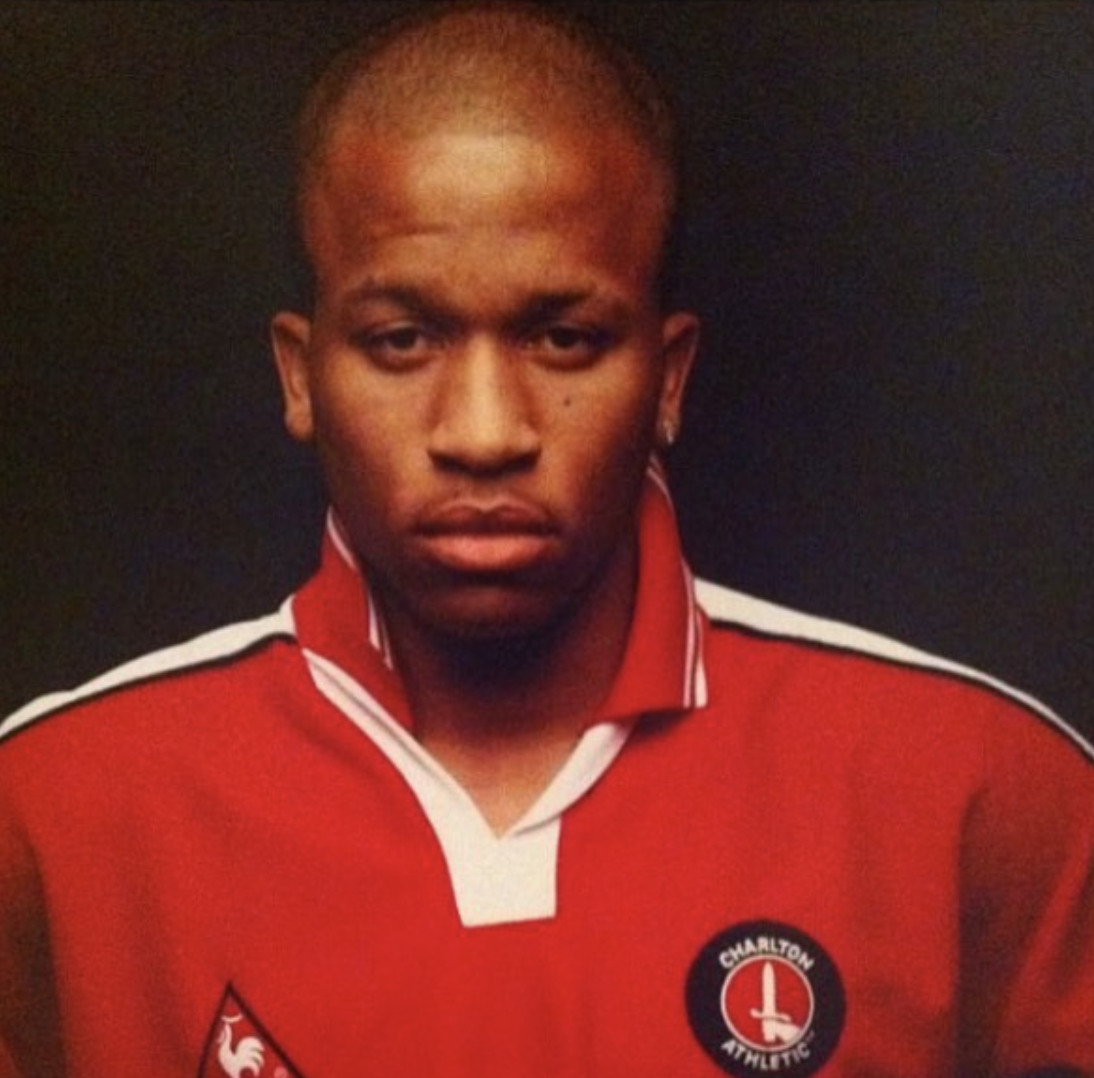
Discover how former Charlton Athletic footballer Kevin George transitioned from the game into a career in mental health, using sport to shape resilience and growth.