England at the World Cup: What Tuchel's Three Lions Are Really Teaching Us About Mental Performance
By Kevin George | Clinical Therapist, Former Professional Footballer, Author of Soccology
Today, 17 June 2026, England faced Croatia in Dallas in their opening match of the 2026 FIFA World Cup. Sixty years on from 1966, the question on every fan's lips is whether this generation can finally deliver. But as someone who has spent the better part of two decades sitting inside professional football, first as a player, then as a clinician, I'm less interested in formations and more interested in what this squad is quietly telling us about the psychology of high performance. European Qualifiers
Because every time a major tournament comes around, football hands the rest of us an extraordinary mirror. And if you know where to look, what you see in that mirror has nothing to do with football.
The Thomas Tuchel Effect: Leading with Psychological Authority
Thomas Tuchel took charge of England on January 1, 2025, only the third non-British permanent manager to lead the Three Lions. His coaching philosophy emphasises tactical flexibility, intense pressing, and quick attacking transitions. But here is what the analysis pieces almost universally miss: the most significant thing Tuchel brought to St George's Park was not a system. It was a framework of expectation. World Soccer Talk
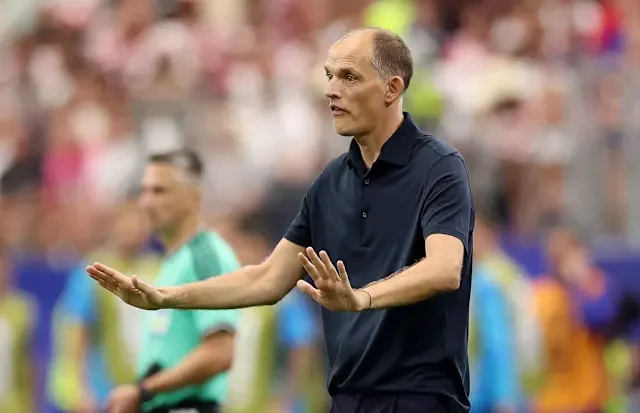
When a new leader walks into an environment, the group does not immediately respond to their tactics. They respond to the emotional temperature that leader sets. Tuchel walked in, following years of near-misses, gut-wrenching penalty defeats, and a squad that had begun to believe losing finals was simply what England did, and delivered one of the most dominant qualifying campaigns in European history. They won all eight of their matches, kept a clean sheet in every single game, scored 22 goals and conceded none. World Cup Pass
That is not a tactical achievement alone. That is what happens when a group internalises a new belief about itself. When a leader's psychological certainty becomes contagious, reshaping a group's collective identity before a ball is even kicked. This England squad has lived that transformation in real time.
Harry Kane and the Weight of Carrying the Dream
Kane arrives as England's all-time record goalscorer and captain at his third World Cup, having scored 61 goals in all competitions for Bayern Munich in 2025-26 and won a second European Golden Shoe. He enters the tournament in the form of his life. ESPN

And yet. The conversation around Kane almost always gravitates to the same place: the absence of a major trophy. As if his extraordinary output is permanently compromised by what hasn't happened yet.
I want to say something direct about this, because I see a version of it in my clinical room all the time, in young athletes, in executives, in teenagers trying to hold the weight of other people's expectations: the story we tell about a person's achievements is often not about them at all. It's about our own anxiety.
Kane is not defined by what England haven't won. He is, by any objective measure, one of the finest strikers European football has produced. The obsessive framing around his "unfinished business" says far more about collective regulation, or the lack of it, than it does about his quality. I’ve spoken at length about how the pressure of unmet national expectation shapes individual performance, and Kane is the clearest case study in the current squad.
What this tournament offers Kane, and what it offers each of us watching, is the chance to separate identity from outcome. To perform not from fear of confirming the narrative, but from genuine belief in the present moment.
If you're supporting a young person, a child, a student, an athlete, who is carrying the burden of what should happen next, this is the moment to notice it. That burden, left unaddressed, doesn't motivate. It constricts.
Bellingham, Rice, and the Architecture of a Mentally Healthy Midfield
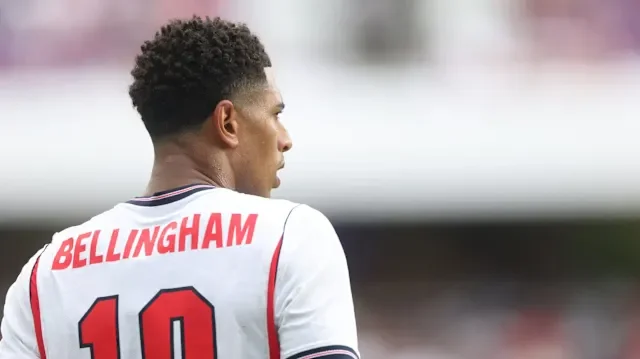
Declan Rice anchors the midfield, Jude Bellingham plays as the number ten behind Kane, and Bukayo Saka came on the right. Look at this trio through a psychological lens and what you see is remarkably instructive. World Cup Pass
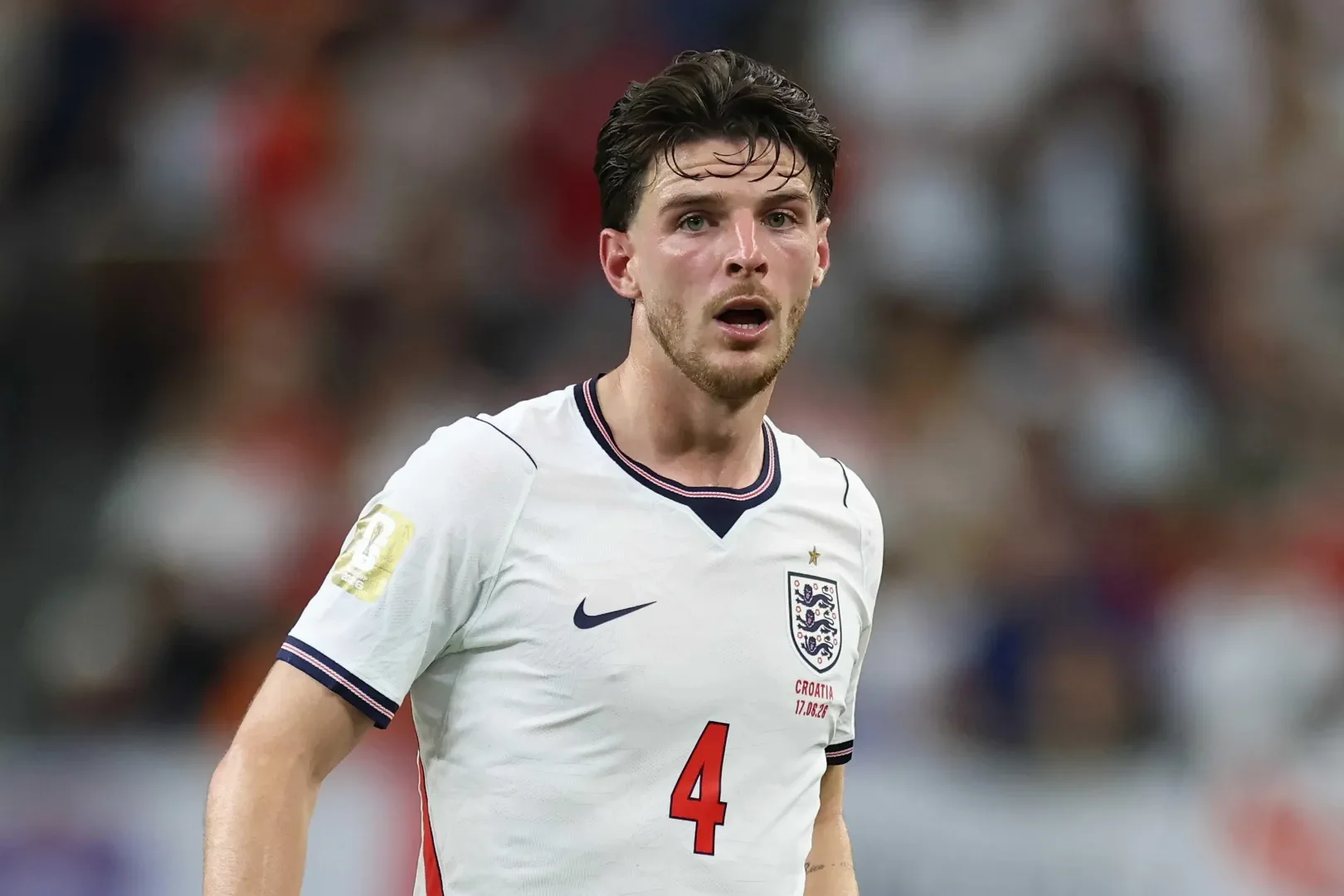


Rice, described as arguably England's most important player, has gone from strength to strength, his move to Arsenal has seen him take on more responsibility and lean into being a leader, qualities that will be vital for England's progress. Rice is the archetype of what I call secure base leadership: the person in a system whose emotional steadiness creates the conditions for others to take risks. He doesn't need the spotlight. He creates the conditions for it. ESPN
Bellingham brings something different, an almost theatrical self-belief that either inspires or unsettles teammates depending on how it's calibrated. In my work with young players and in the Soccology research, this is one of the most nuanced psychological dynamics in team environments: how one individual's confidence becomes either oxygen or noise for the people around them.
And Saka, quiet, technically exceptional, consistently present, represents a third archetype entirely. The player who simply keeps showing up. No drama. No announcement. Just performance.
Three different psychological profiles. Three different ways of contributing to collective excellence. All of them necessary.
This is exactly what I work with in my practice, whether with professional athletes, young people in schools, or families navigating complex systems. The question is never simply "who is the most talented?" It's "how do these individuals function as a relational system?" That's the question Tuchel has had to answer. It's also the question every parent, teacher, and team leader has to answer every single day.
Rashford's Redemption Arc and What It Tells Us About Second Chances
Marcus Rashford was revitalised at Barcelona, managed 8 league goals and seven assists for the La Liga winners, and having missed out on Euro 2024, may be out to prove himself once again for his country. ESPN
The Rashford story is one I want to sit with for a moment, because I think it holds something genuinely important for anyone who has ever felt written off.
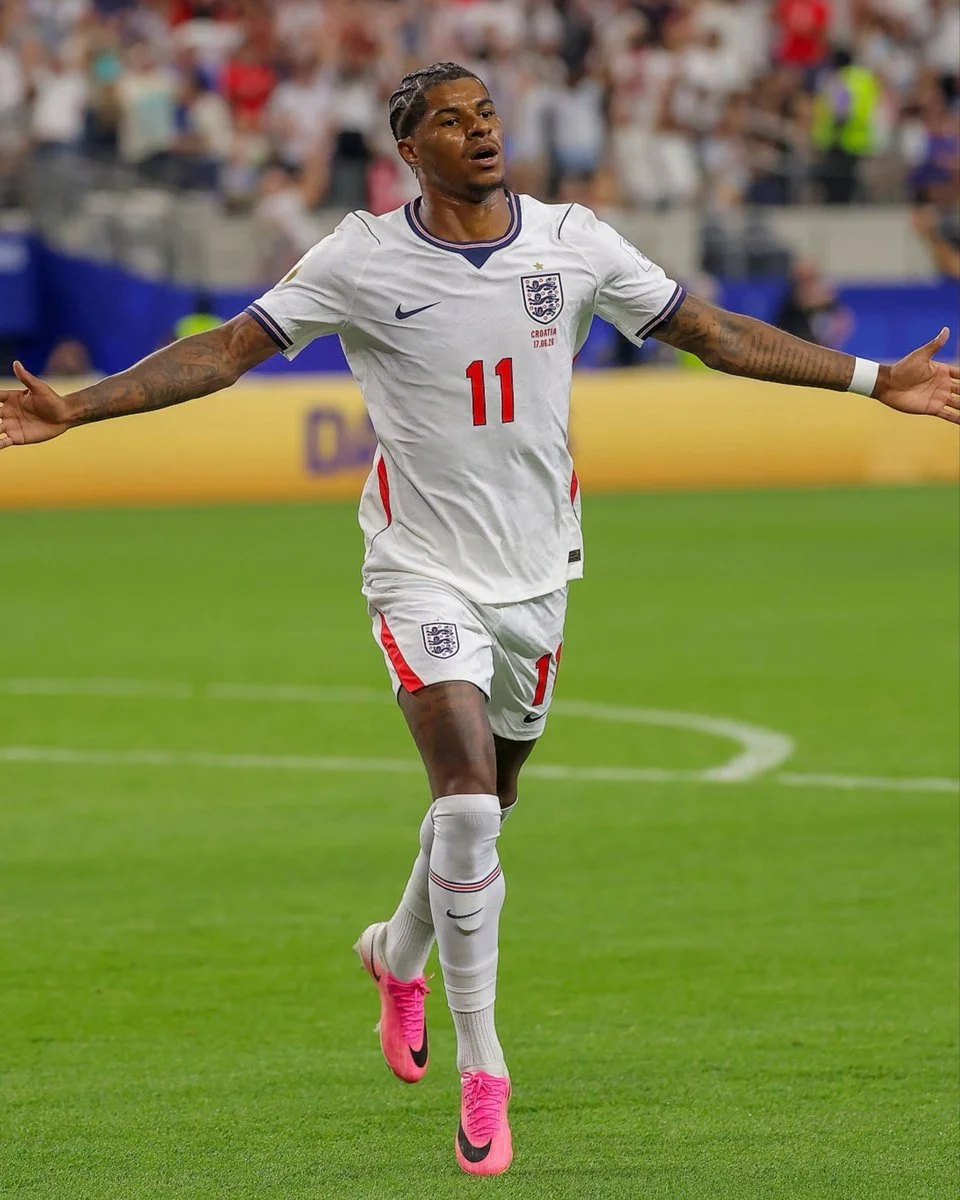
Two years ago, Rashford was publicly struggling. His form had collapsed, his behaviour off the pitch drew scrutiny, and the narrative around him had curdled into something punitive. He was dropped from a major tournament. That is a significant rupture, for any person, but especially for someone whose entire sense of identity has been shaped around football since childhood.
What followed was not magic. It was the hard, unglamorous work of reconnecting with yourself in a different environment, under different conditions, with different relational support around you.
This is the story my Karmelo Anthony piece explored through a very different cultural lens, the moment a young person's public unravelling becomes a teaching about what we collectively refuse to offer boys and young men: the space to be struggling without being permanently defined by it.
Rashford went to Barcelona. He found space. He rediscovered his game. He's back.
For anyone working with young men, as a parent, a teacher, a coach, a therapist, the question Rashford's journey poses is simple and difficult in equal measure: what environment are we creating, and does it allow people to come back?
Henderson at 36 and the Psychology of "Too Old"
Jordan Henderson will be making a record-equalling fourth World Cup appearance, the oldest player in the squad, turning 36 on the very day England face Croatia. World Cup Pass
I want to close on Henderson, because I think he represents something we rarely talk about in elite sport, and almost never talk about in everyday life: the psychology of persistence against narrative.
Henderson has been written off so many times. Left out of squads. Told his best days were behind him. Subject to a brutal public reassessment of his career in the wake of his move to Saudi Arabia. And he has kept coming back, not through denial, but through the kind of grounded self-knowledge that can only come from doing real inner work.
In my clinical practice, across my work in SEND dducation, in private practice in Westminster and Beckenham, and through the Soccology CIC programmes, I see the damage done to individuals when they internalise the world's verdict on them as permanent truth. The belief that they are past it. That the window has closed. That the story is already written.
Henderson suggests otherwise. And at 36, making a fourth World Cup, he is the most powerful argument in the England squad for what becomes possible when you refuse to let other people's timeline become your own.
What This Tournament Means Beyond the Pitch
I've been writing throughout this World Cup cycle about why international football is one of the most accessible entry points for conversations about mental health, emotional regulation, identity, and belonging that we have. Millions of people, people who would never pick up a self-help book, never step into a therapy room, watch these matches and feel things they don't yet have language for.
That's what Soccology has always been about. And it's what every piece of work I do, whether with a young person in a SEND school, a professional athlete managing performance anxiety, a family in systemic crisis, or a parent trying to understand why their son won't talk about how he feels, starts from.
Football isn't a metaphor for life. It is life, compressed into ninety minutes, played out in front of the world.
Tonight, England begin. And whatever happens in Dallas, the psychological story is already rich enough to sustain the conversations that matter.
Frequently Asked Questions
What is the Thomas Tuchel Effect?
The Thomas Tuchel Effect refers to the psychological and cultural transformation that occurs when strong leadership creates belief, accountability and collective confidence within a team. While Tuchel is known for tactical innovation, his impact on England has also been rooted in changing how players think about themselves and their potential.
How does leadership influence team performance?
Leadership influences performance by shaping a team's emotional environment. When leaders communicate confidence, clarity and trust, individuals are more likely to take risks, collaborate effectively and perform under pressure.
What can football teach us about mental health?
Football provides a highly visible example of how people manage pressure, setbacks, criticism, resilience and success. The emotional experiences seen on the pitch often mirror the psychological challenges people face in everyday life.
Why is Harry Kane's story psychologically important?
Harry Kane's journey highlights how individuals can become defined by public expectations rather than their actual achievements. His story encourages us to separate self-worth from outcomes and focus on performance, growth and personal values.
What makes Declan Rice an effective leader?
Declan Rice demonstrates what psychologists often describe as a secure base. His consistency, reliability and emotional steadiness create an environment where others can perform confidently and take calculated risks.
Why is confidence such an important factor in team dynamics?
Confidence can inspire collective belief, but it must be balanced with awareness of others. Players like Jude Bellingham demonstrate how self-belief can elevate performance when it contributes positively to the wider team culture.
What can we learn from Marcus Rashford's return to form?
Rashford's journey demonstrates the importance of environment, support and second chances. His story highlights how people can recover from setbacks when given the opportunity to rebuild confidence and reconnect with their strengths.
What does Jordan Henderson teach us about resilience?
Jordan Henderson's career demonstrates the value of persistence, self-belief and refusing to accept limiting narratives. His continued presence at the highest level challenges assumptions about age, relevance and personal growth.
How does emotional literacy improve performance?
Emotional literacy helps individuals understand, regulate and communicate their emotions effectively. In sport, education, business and relationships, this can improve decision-making, resilience, communication and overall wellbeing.
Why does football create opportunities to discuss mental health?
Football engages millions of people emotionally. It creates shared experiences around pressure, identity, belonging, success and failure, making it a powerful vehicle for conversations about mental health and emotional wellbeing.
What is performance psychology?
Performance psychology examines the mental and emotional factors that influence success. It explores confidence, motivation, focus, resilience, leadership, teamwork and the ability to perform under pressure.
How can parents support children who feel under pressure to succeed?
Parents can help by focusing on effort, learning and development rather than outcomes alone. Children thrive when they feel valued for who they are rather than what they achieve.