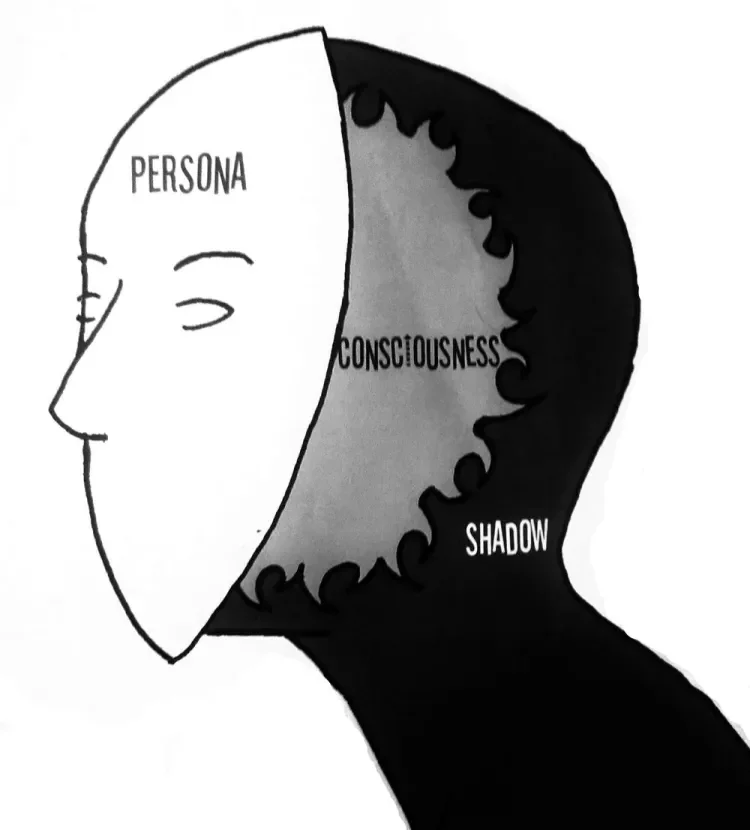
This article examines the connection between neurodivergence, antisocial behaviour and systemic failure. Drawing on experiences working with neurodivergent young people, it explores how ADHD, autism and other neurodevelopmental differences are frequently misunderstood within education, social care and youth justice systems. Rather than viewing challenging behaviour as evidence of bad character, the article argues that behaviour is often a form of communication that reflects unmet emotional, developmental and social needs.
The article discusses school exclusion, emotional literacy, SEND provision, youth offending and the school-to-prison pipeline. It highlights how neurodivergent children are disproportionately represented in exclusion statistics and youth justice settings, often because their needs are not identified or appropriately supported. The piece calls for earlier intervention, greater understanding of neurodiversity and a shift from punishment-based responses towards approaches rooted in empathy, emotional development and psychological understanding.
Key topics include neurodivergence, ADHD, autism, emotional literacy, SEND, school exclusion, youth offending, mental health, behaviour as communication, child development, educational psychology and youth justice.