When the Racket Breaks: Coco Gauff, Privacy & the Price of Being Human
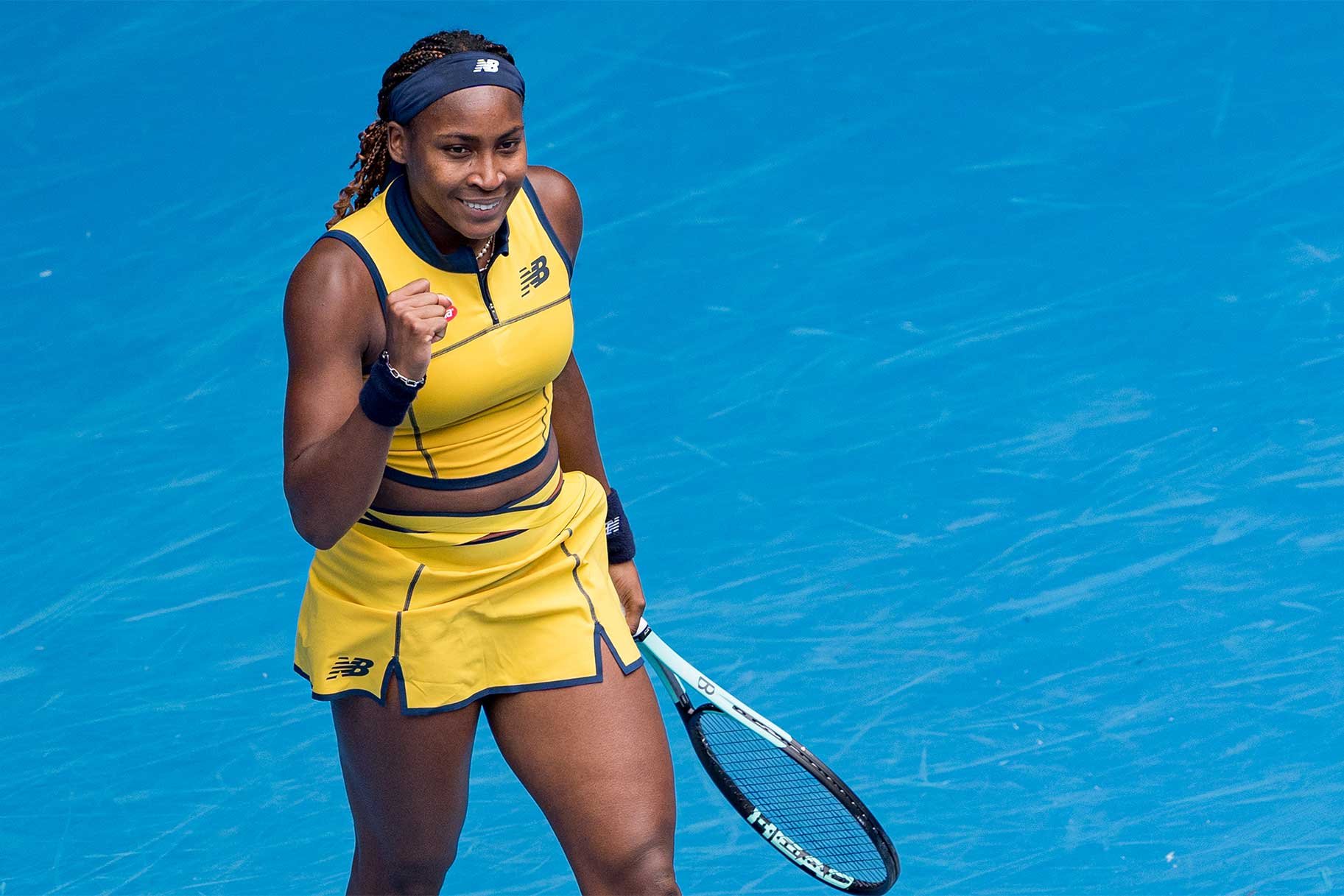
This year’s Australian Open sparked an unexpected cultural moment, not because of a championship point or a coach’s challenge, but because Coco Gauff was filmed smashing her racket in what she thought was a private moment. The clip quickly spread across media and social platforms, turning a raw emotional release into global spectacle, and igniting a conversation much bigger than tennis.
What happened wasn’t controversial in the traditional sense. Gauff, after a tough quarter-final loss, sought a quiet spot away from the court to vent her frustration by repeatedly smashing her racket. She chose that place deliberately, a place she believed was off-camera and personal, only to discover cameras followed her everywhere.
“Animals in a zoo” — The Feeling of Constant Surveillance
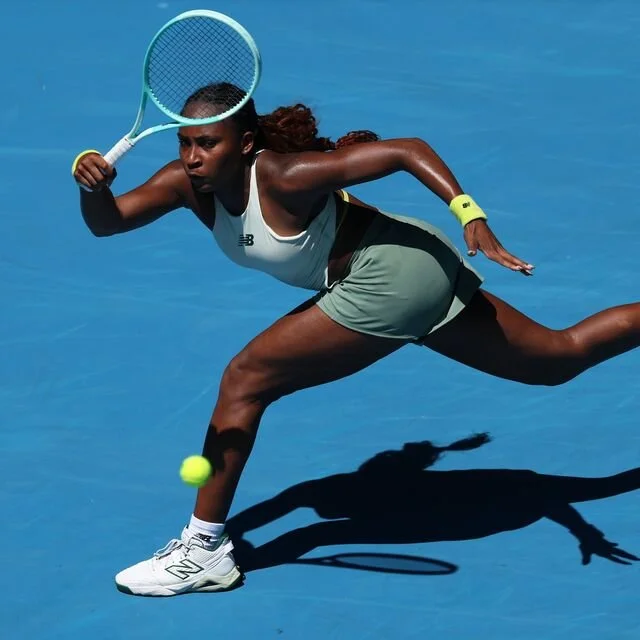
Gauff’s frustration resonated with other players. World No. 2 Iga Swiatek, who herself became an unexpected meme after being stopped by security for a minor credential issue, echoed her concerns. Swiatek said at the tournament that players sometimes feel like “animals in a zoo,” constantly watched even in moments they believe are private.
That analogy isn’t hyperbole. At modern major events, cameras are everywhere, corridors, backstage areas, hallways. There are few spaces free from lenses and microphones. Swiatek and others called for more camera-free sanctuaries where athletes can reflect, prepare mentally, and simply be human without fearing they’ll instantly become a meme.
Why Does This Matter Beyond Tennis?
The global fascination with Gauff’s racket smash isn’t merely sports fodder, it’s a symptom of a deeper cultural condition:
1. Expression Has Become Performance
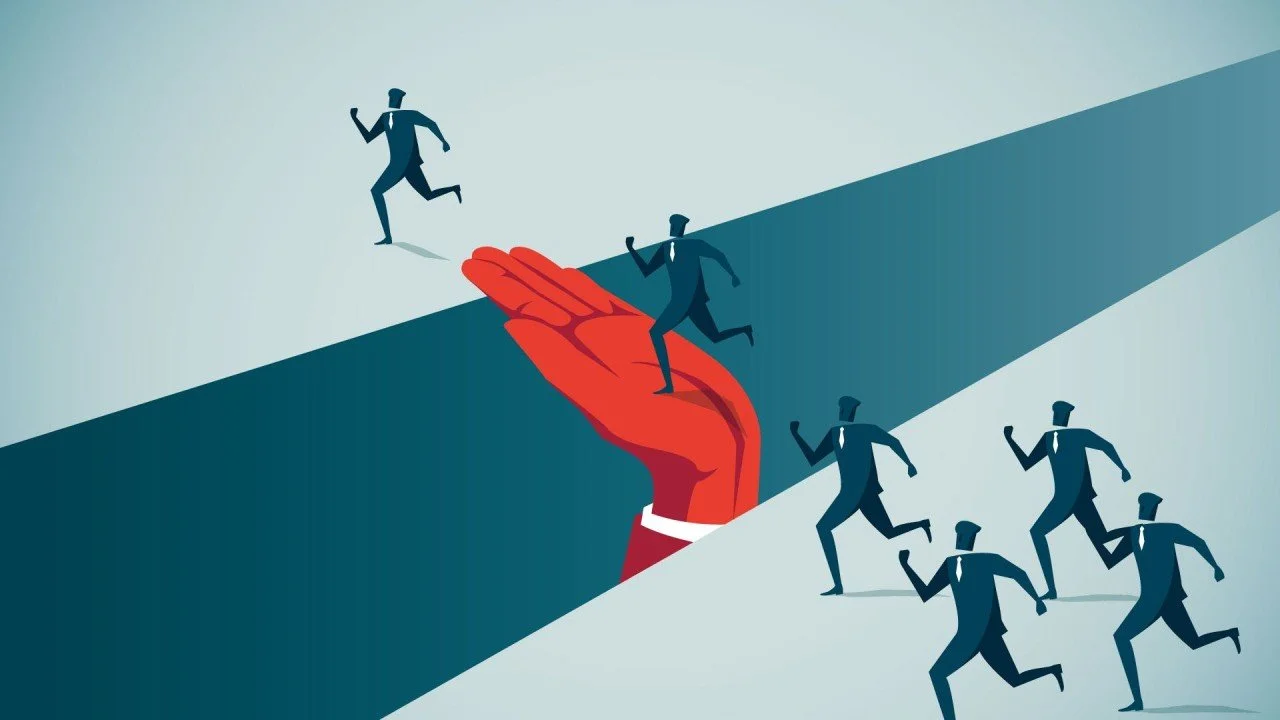
In a world where every gesture can be turned into a clip, meme, or trending hashtag, there’s pressure on public figures to perform even their most honest reactions. Genuine emotional expression risks being commodified, reduced to clickbait, unless it fits into an easily consumable narrative.
This dynamic doesn’t just shape what gets shared; it shapes how people choose to behave, often steering them toward predictability.
2. Privacy Is a Scarce Commodity
Gauff’s attempt to find a private place, and failing, reflects a broader loss of psychological space. People increasingly feel observed, even in moments they think should remain unseen. The argument isn’t against public life per se, it’s about control over when and how one’s inner world becomes public.
Swiatek and others’ pushback suggests that many athletes feel this constant access erodes their humanity, turning emotional nuance into content.
Authenticity vs. Persona: The Path Toward Self-Acceptance
This moment raises a deeper question: Can you be your authentic self when your every move might be broadcast, commented on, or parodied?
For public figures, and really for all of us, there’s a tension between:
The persona: the image curated for audiences, fans, and social feeds.
The real self: the messy, emotional, unfiltered human being behind that image.
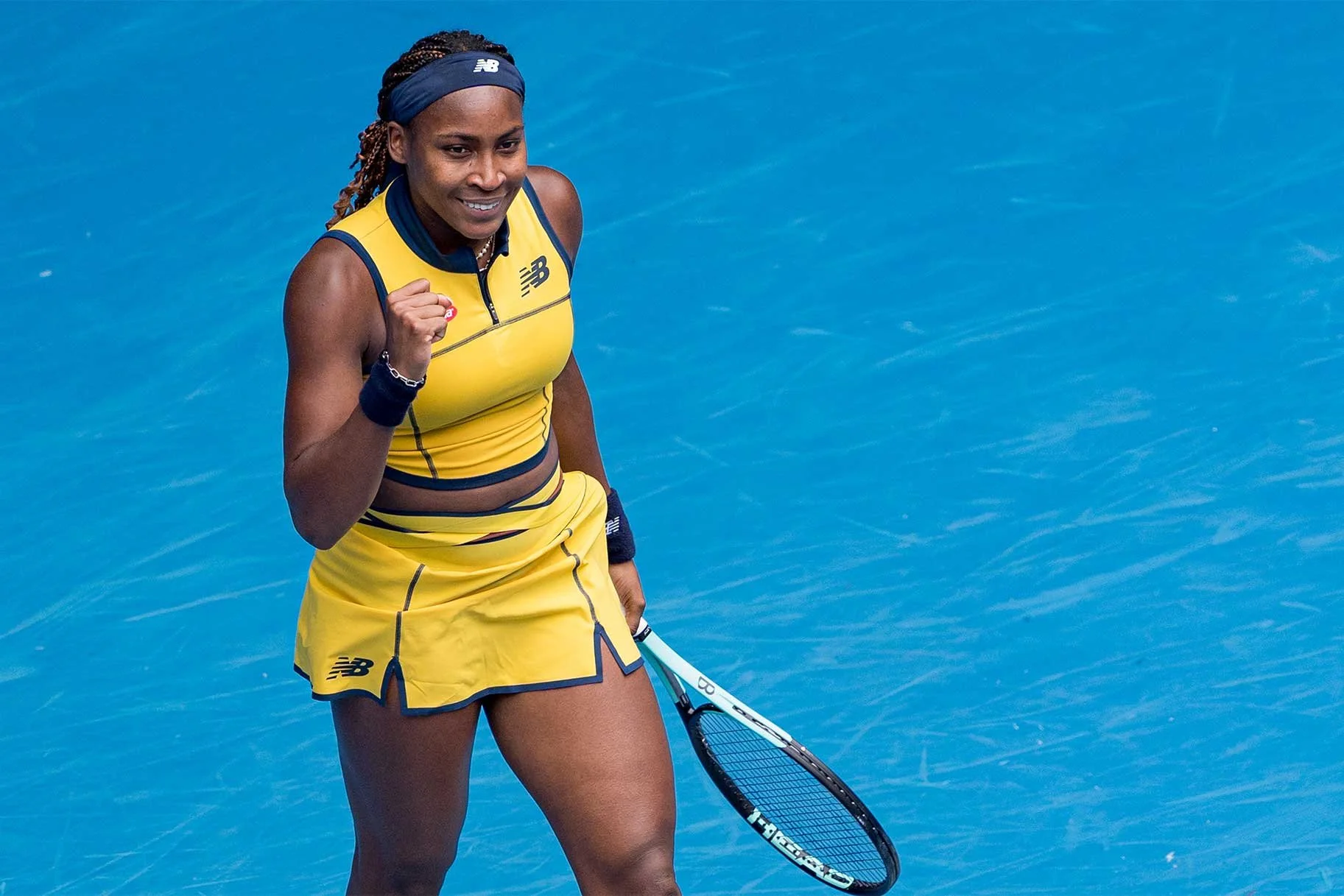
Gauff’s experience highlights how much space for genuine emotional expression has shrunk. Many people, especially young athletes and creators, feel pressure to mask, perform, or pre-script their reactions to avoid judgement or misrepresentation.
But there’s a liberating flip side: when you fully accept who you are, flaws, frustrations, all unpredictable reactions become unsurprising. Your authenticity becomes your baseline. Once others no longer expect a polished, media-ready version of you, the sensational value of any given moment diminishes.
Put simply: an authentic life deflates the power of sensationalized stories. Famous people will still have their moments shared — but those moments lose their shock value when audiences understand the person behind the persona.

A Broader Cultural Reflection
The racket-smash clip went viral because it tapped into something we all feel:
the pressure to maintain composure,
the impossibility of being private,
the public’s thirst for unfiltered glimpses into the inner lives of others.
But maybe the lesson here is not about protecting celebrities, but about reclaiming our own emotional authenticity. If we, as individuals, embrace our true selves, without constantly filtering for audience approval, we reduce the currency of sensationalism. We make space for real, unmanufactured humanity.
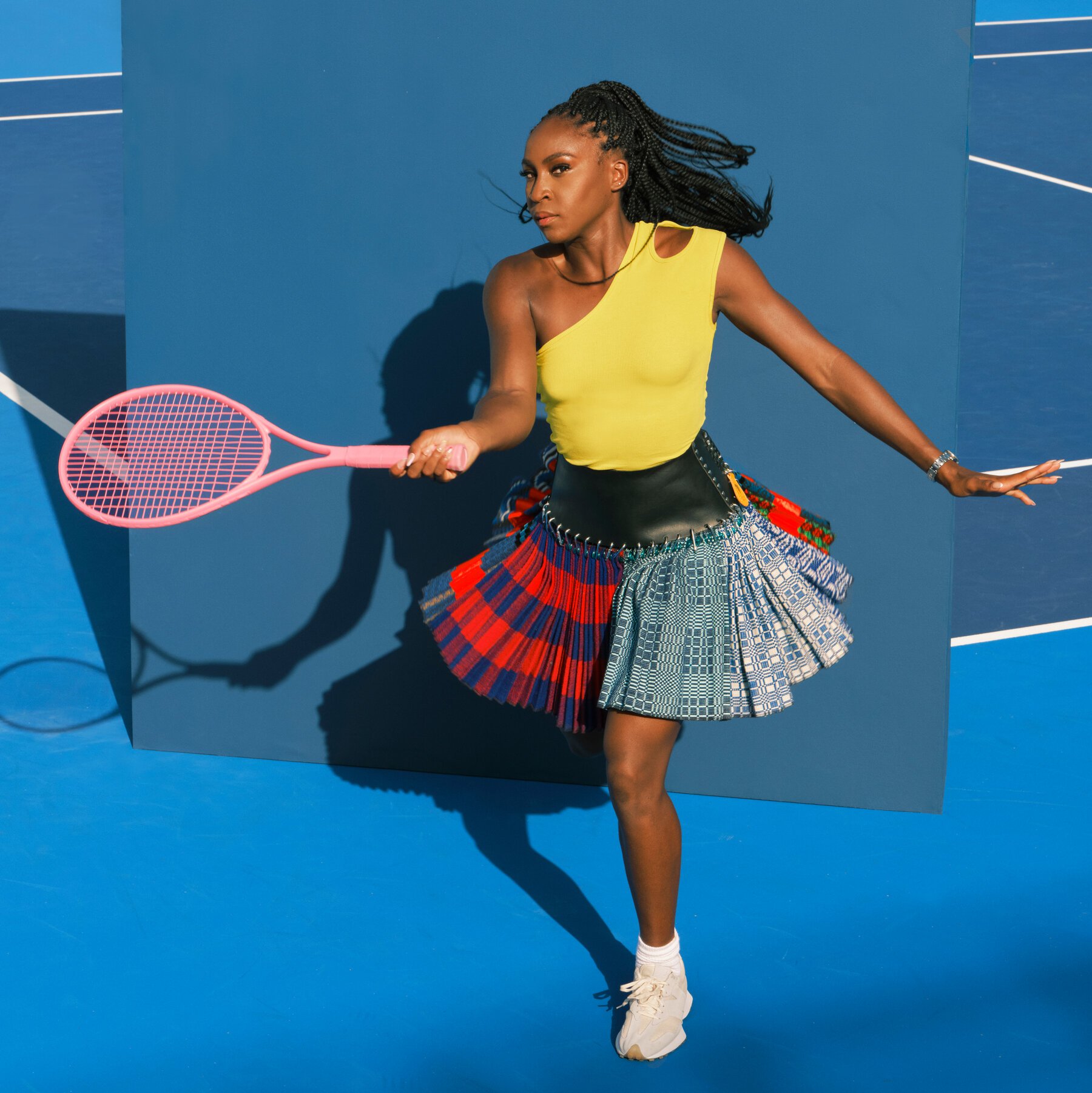
In Gauff’s case, she wasn’t trying to create a media moment, she was just reacting like a human being. And that’s exactly why it struck a chord.
KG
Kevin George
Kevin George is a psychotherapist, former professional footballer, and Amazon No.1 bestselling author of Soccology: Inside the Hearts and Minds of Successful Professionals. He specialises in men's mental health, athlete psychology, and trauma-informed practice, and is the founder of Soccology CIC. He is based in London and writes at kevingeorge.online.