What Does Football Teach Us About Leadership? Lessons from Manchester United
Football is often framed as a game of tactics, formations, and systems. But time and again, elite football reminds us of a deeper truth: leadership isn’t tested on the training pitch, it’s tested in how power is used under pressure.
Manchester United offers a compelling case study. Not because of a lack of football intelligence, but because of what happens when management eclipses leadership.
By Kevin George: counsellor, leadership consultant, former professional footballer, and author of Soccology
Systems Don’t Fail, Leadership Does
From a systems and tactical perspective, both Erik ten Hag and Ruben Amorim are widely respected. Their football intelligence is not in doubt.
Yet at Manchester United, both have struggled with the human side of leadership, the management of people, power, and psychology.
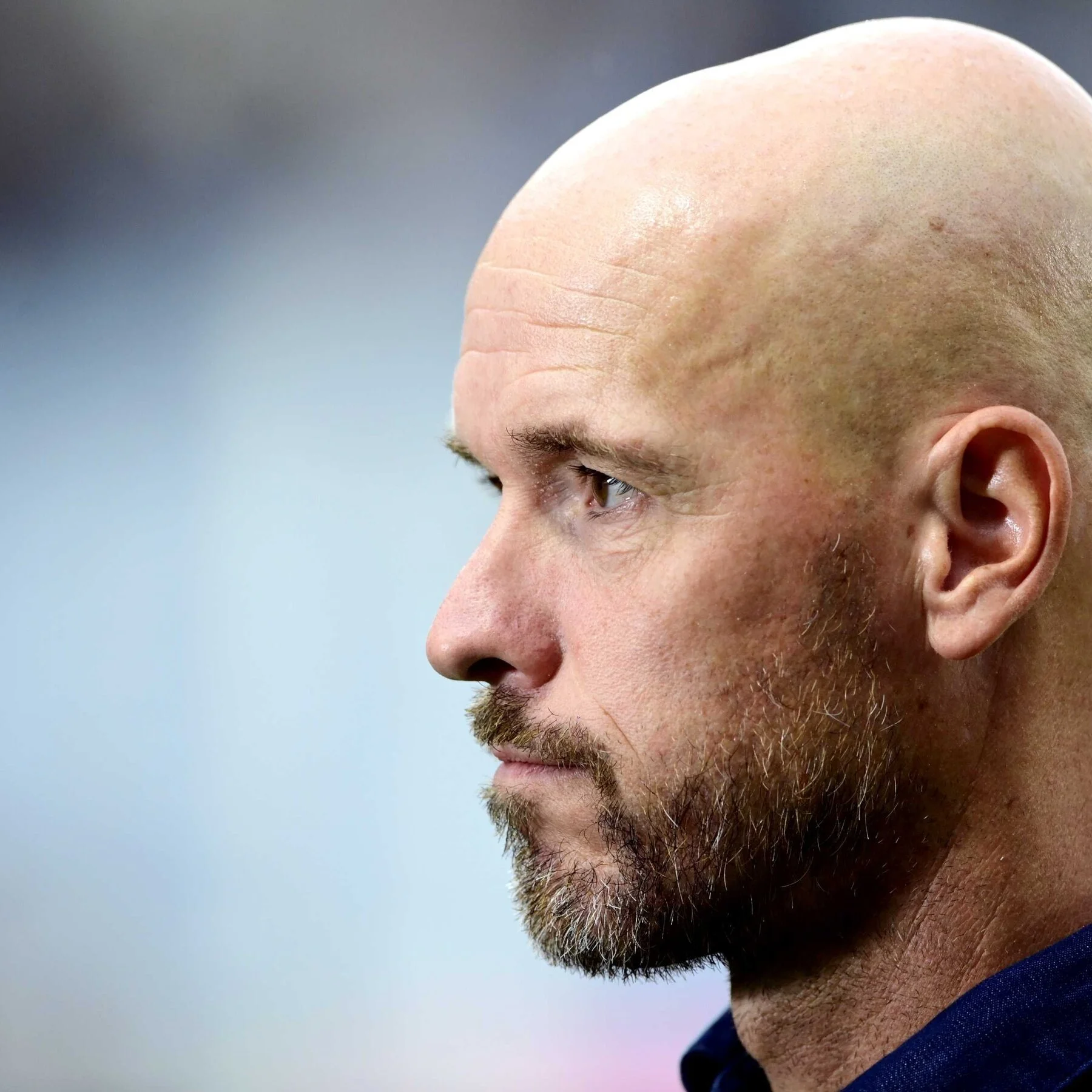
Erik ten Hag: Public Accountability or Public Execution?
Ten Hag repeatedly chose to address internal issues through the media.
Not privately.
Not internally.
But publicly.
Erik ten Hag
From Cristiano Ronaldo, one of the most experienced professionals in world football, to Alejandro Garnacho, a young player still forming his professional identity, players were routinely fed into what can only be described as the media slaughterhouse.
This matters because once a leader frames a player negatively in public:
Every podcast takes a bite
Every pundit builds a narrative
Every future mistake is judged through that lens
Leadership isn’t just about the moment.
It creates reference points that shape future perception.
Ruben Amorim: A Familiar Pattern Repeats
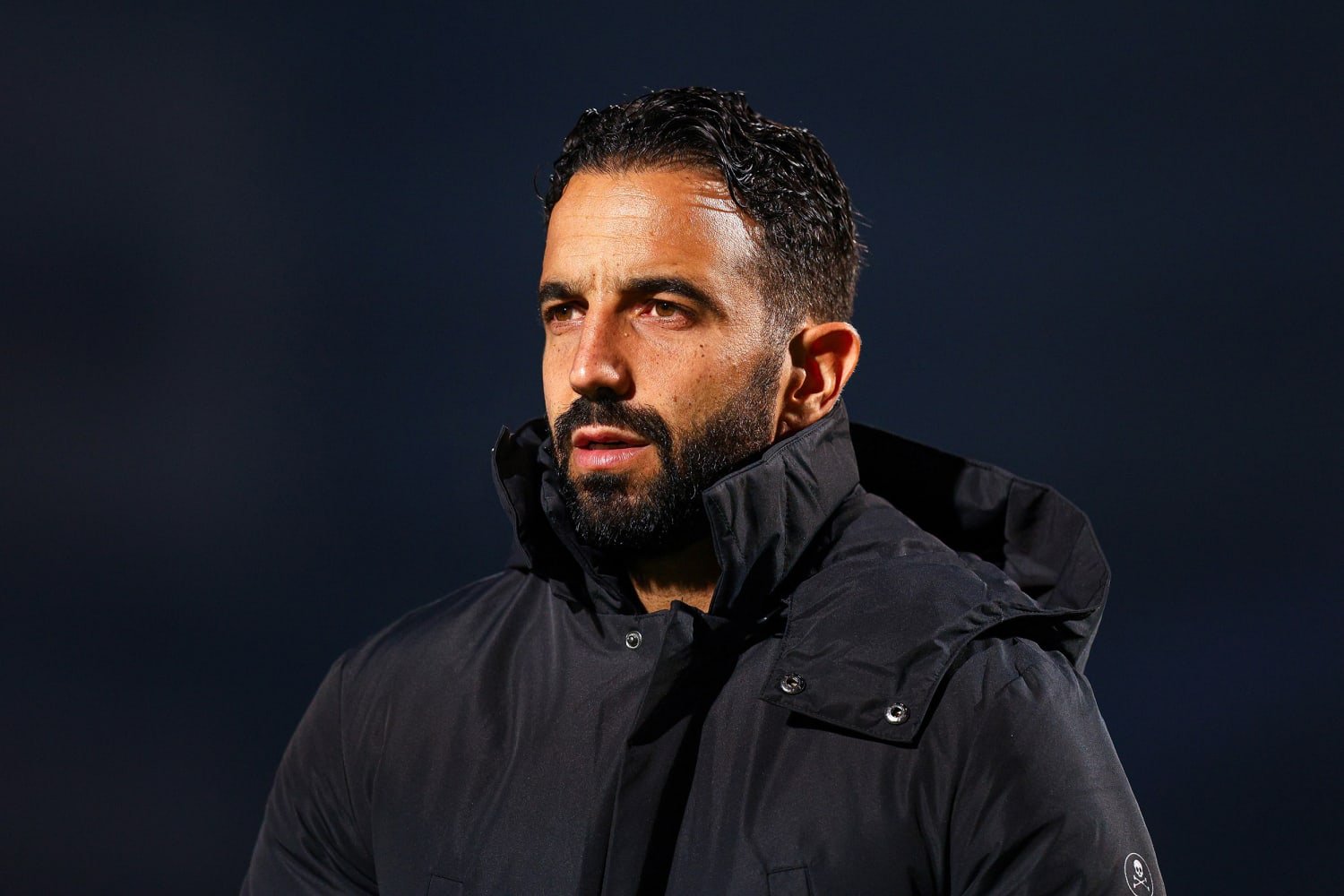
Recently, Ruben Amorim publicly criticised Chido Obi, Harry Amass, and Toby Collyer.
That decision opened the door to something entirely predictable: player responses. And they did respond, on social media.
Is that surprising? No.
Alejandro Garnacho had already shown us what happens when young players feel exposed, unsupported, or publicly undermined. They react. Sometimes impulsively. Sometimes emotionally. Always humanly.
When leaders externalise frustration, they shouldn’t be shocked when it comes back amplified.
Ruben Amorim
Feeding Staff to the Lions Has a Long Tail
When leaders sacrifice individuals to protect systems or themselves, the damage isn’t temporary. It becomes:
A permanent narrative
A justification for future criticism
A reference point for opinions that otherwise lack substance
This isn’t just a football issue.
It’s a leadership failure pattern seen across education, healthcare, corporate systems, and public services.
A Different Kind of Leadership: Michael Carrick
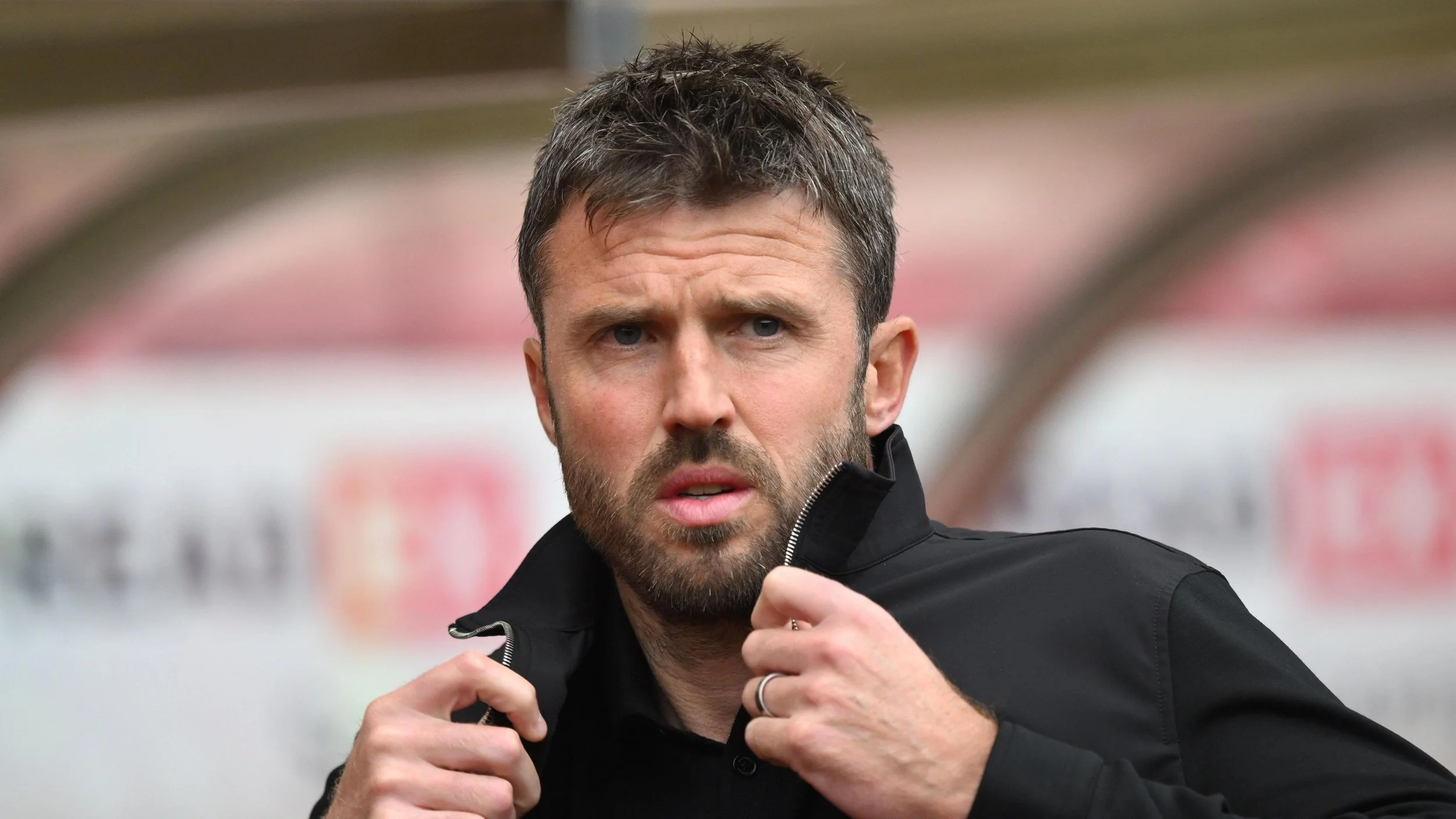
So what has Michael Carrick done differently? We don’t know everything, and that’s the point. What we do know:
Players are working hard
Players look settled
Players are enjoying playing for him
He hasn’t hung his players out to dry, although it’s still early in his role at Manchester United, and they havent lost.
During Carrick’s time as the Middlesbrough Head Coach, there was no public blaming. No media scapegoating. No need to dominate the narrative. Although there isn’t the same level of media intensity at Middlesbrough, as there is at Man United.
Leadership is effective when it’s quiet, relational, and emotionally literate.
What Soccology Tells Us About Leadership
In my book Soccology, leadership is explored not as authority, but as a skilled responsibility.
“We talk about leadership from the perspective of the manager and the player and how important it is. Abi is about overpowering leadership and a misuse of power.”
— Colin Kazim-Richards, former Brighton & Hove Albion and Turkey international
This misuse of power silences players, fractures trust, and creates cultures of frustration and fear, rather than growth.
“Without the leadership from the coaching staff and the players themselves, it can become difficult for the more humble players to express themselves within the group, leading to them being overshadowed by the ego of others.”
— Gaël Clichy, former Arsenal and France international, current Caen Head Coach
And contrast that with adaptive leadership:
“What made Sir Alex Ferguson so special is he knew how to speak to each individual… he changed his approach and adapted his communication to engage the young players within the squad.”
— Quinton Fortune, former Manchester United and South Africa international
That’s not charisma. That’s emotional intelligence in action.
Why This Matters Beyond Sport
(Mental Health, Society, and Systems)
Football reflects society more than we like to admit.
Public shaming
Power imbalance
Emotional suppression
Fear-based performance cultures
These dynamics exist in:
Schools
Social care
Corporate leadership
Healthcare systems
When leaders fail to understand the psychological impact of their words, mental health becomes collateral damage.
As Tim Payne of KPMG puts it in Soccology:
“Self-awareness in leadership and management is crucial… People work better when they are happy and feel that senior management consider their feelings.”
That’s not “soft leadership”. That’s effective leadership.
What Actually Helps: Practical, Grounded Insight
Leadership that works:
Handles conflict privately
Protects individuals publicly
Understands developmental stages (especially for young talent)
Uses power to contain pressure, not export it
Changing systems without changing leadership behaviour simply recreates the same problems in new shapes.
Call to Action (CTA)
If football teaches us anything, it’s this:
You don’t build winning cultures by exposing people, you build them by understanding them.
For deeper insight into emotional literacy, leadership psychology, and systemic wellbeing, explore my writing here:
More blogs here
If you want the full leadership framework, Soccology is available at Waterstones and other major outlets.
KG
Kevin George
Kevin George is a psychotherapist, former professional footballer, and Amazon No.1 bestselling author of Soccology: Inside the Hearts and Minds of Successful Professionals. He specialises in men's mental health, athlete psychology, and trauma-informed practice, and is the founder of Soccology CIC. He is based in London and writes at kevingeorge.online.