When Over-Support Hinders Growth: The Blurred Lines Between Mental Health and Life Challenges
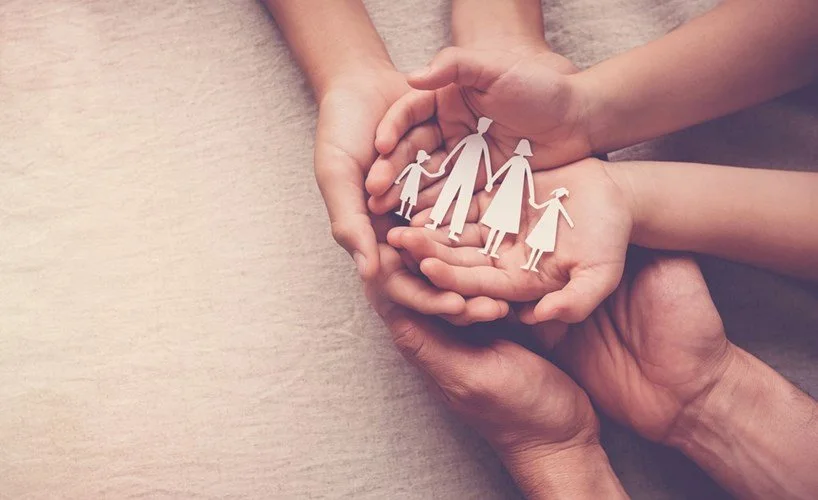
In our efforts to protect, support, and care for others, especially young people or those in vulnerable positions, we often assume that more support is always better. Yet, when the lines between mental health challenges and everyday life challenges blur, over-support can unintentionally stifle resilience, confidence, and the development of self-concept.
Life is inherently challenging. From childhood through adulthood, experiences of disappointment, failure, and uncertainty are unavoidable and essential. They are the raw material for developing coping strategies, personal insight, and a stable sense of self. But when every difficulty is treated as a mental health concern, these learning opportunities are often lost.
The Blur Between Life Challenges and Mental Health
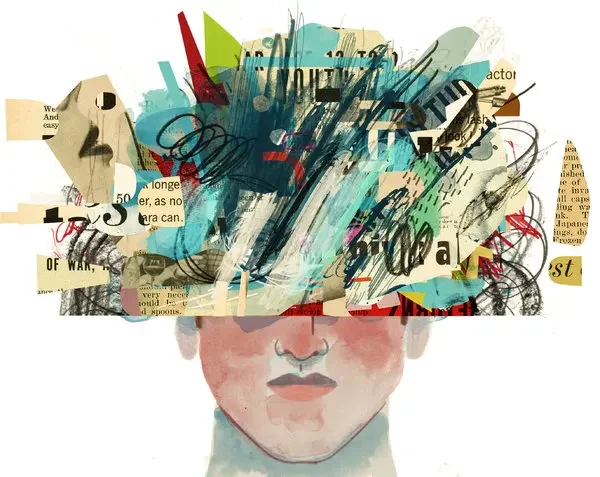
Not every struggle is a clinical issue. Life challenges, like moving to a new school, navigating friendships, or facing setbacks at work, are normal, albeit sometimes uncomfortable, experiences. Mental health challenges, on the other hand, are characterised by distress, dysfunction, or persistent symptoms that require targeted intervention.
When support systems fail to distinguish between the two, three risks emerge:
Over-Pathologising: Normal stress or disappointment can be interpreted as mental illness, leading to unnecessary interventions.
Dependency: Individuals learn to rely on external support for every challenge, rather than developing internal coping mechanisms.
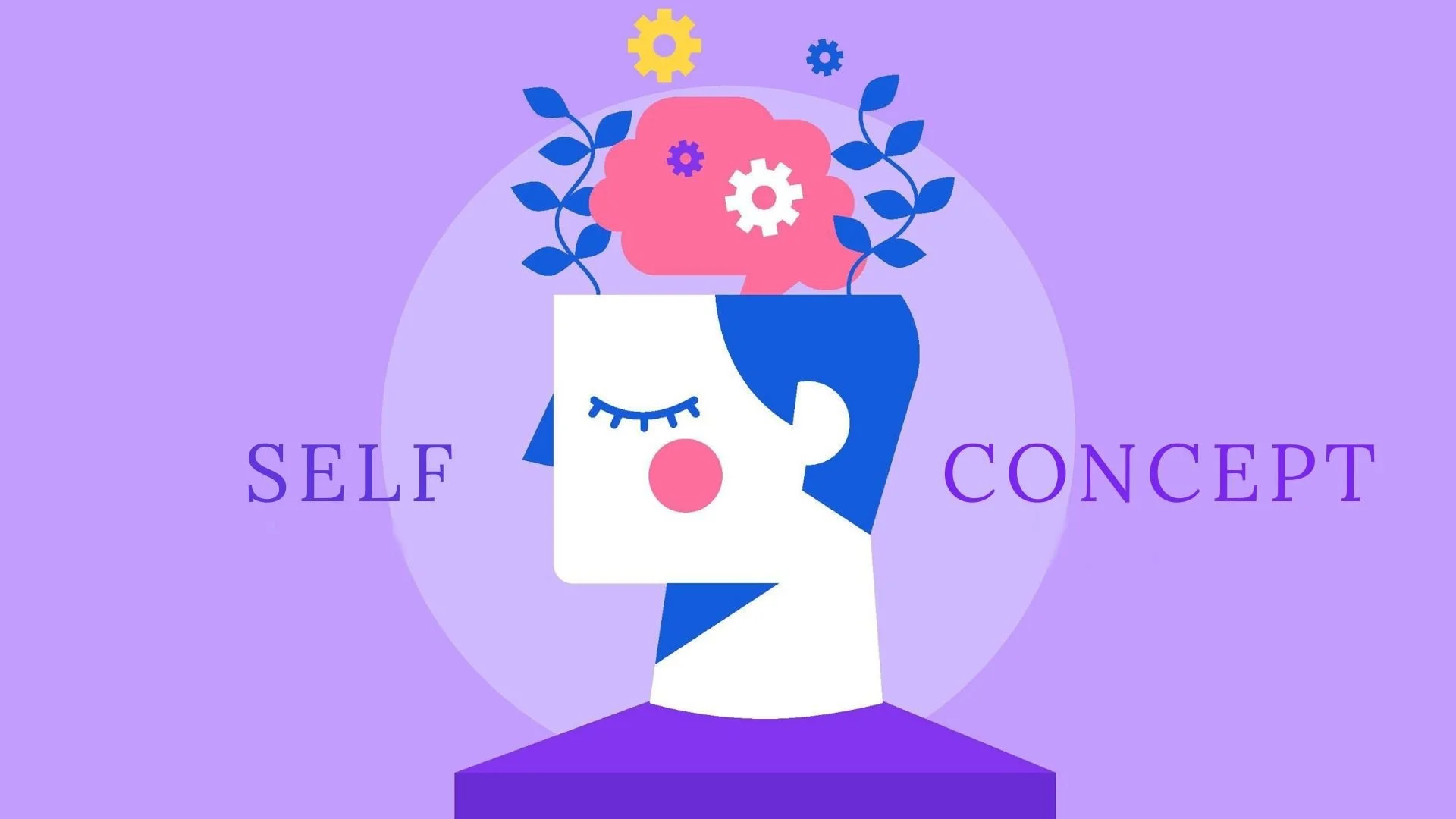
Erosion of Self-Concept: Without opportunities to problem-solve independently, people may struggle to recognise their own capabilities and strengths.
Resilience and Confidence Need Space to Grow
Resilience is not built in the absence of difficulty; it is forged through it. Similarly, confidence arises when people take risks, make mistakes, and discover they can recover or adapt. Over-support, though well-intentioned, can remove these critical opportunities.
For example:
A student shielded from academic failure may never learn to cope with disappointment.
A young professional whose every minor setback is escalated to counselling may struggle to trust their judgment.
An athlete whose mistakes are constantly corrected may lose confidence in independent decision-making.
Without these experiences, resilience is delayed, self-efficacy is diminished, and identity becomes externally defined rather than internally anchored.
The Role of Supportive, Not Overbearing, Systems
The challenge for families, educators, social care practitioners, and mental health professionals is finding the balance. Support should be:
Responsive, not directive: Offer guidance when needed, but allow individuals to problem-solve first.
Developmental, not protective: Recognise opportunities for learning, growth, and independence.
Contextual, not automatic: Distinguish between life challenges and clinical distress to ensure interventions are proportional and relevant.
When done well, support acts as a scaffold, not a safety net that catches every fall. It empowers individuals to take calculated risks, manage setbacks, and build confidence in their own abilities.
Designing Systems That Encourage Growth
At a systemic level, organisations must embed structures that nurture independent development:
Provide resources for guidance and mentorship while leaving space for autonomy.
Promote environments where failure is treated as a learning opportunity rather than a crisis.
Encourage reflective practice that differentiates between normal challenges and mental health concerns.
By respecting the distinction between life challenges and mental health needs, systems can promote true resilience, robust self-concept, and adaptive coping skills, rather than inadvertently fostering dependence and self-doubt.
Conclusion
Well-intentioned over-support, like blurred lines between life challenges and mental health concerns, can limit development. Resilience, confidence, and self-conception are built through experience—sometimes uncomfortable, sometimes imperfect.
The goal of support should not be to remove all difficulty, but to help individuals navigate it, learn from it, and grow stronger. Only then can people develop the internal resources to face life’s challenges with courage and competence.