Harry Kane Is Not Just England's Best Player, He's Their Psychological Architecture
By Kevin George | Clinical Therapist, Former Professional Footballer, Author of Soccology
Gary Neville said something on ITV this week that most pundits wouldn't dare say out loud: Harry Kane is the only genuinely world-class player in the England squad. The team has been built around him. The entire tournament rests on his shoulders.
From a football pundit's perspective, that's an observation about quality. From mine, as a psychotherapist who has spent years working at the intersection of professional football and mental health, it's something far more interesting. It's a statement about psychological architecture.
When one player becomes the structural load-bearer of an entire national team's World Cup ambition, we're not just talking about goals and assists. We're talking about identity, pressure absorption, state management, and what happens to a squad, and a nation, when the human being carrying all of that weight is exposed.
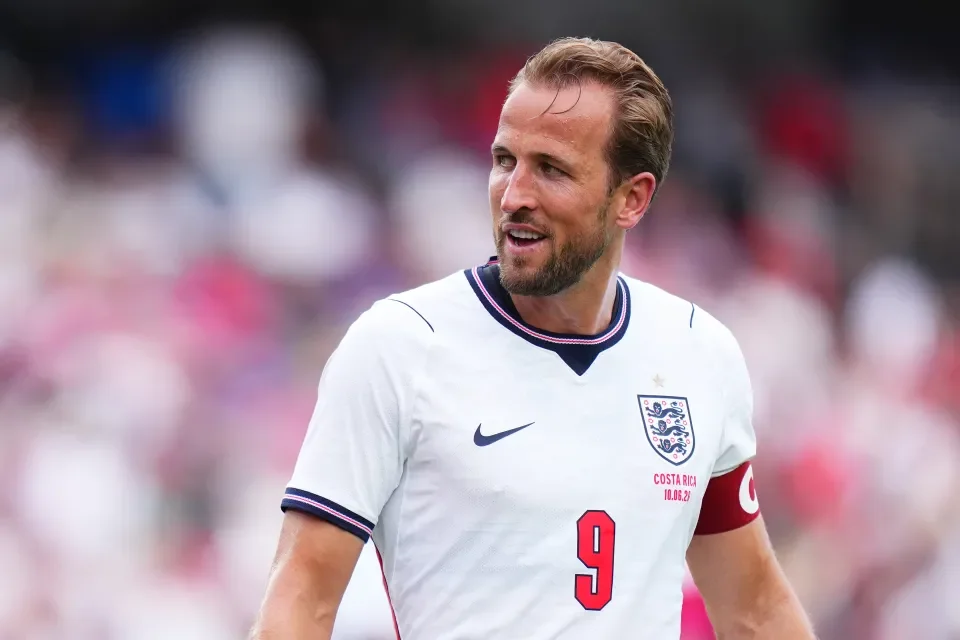
Harry Kane | England | World Cup 2026 | Psychological Architecture
When the Whole System Depends on One Person
Thomas Tuchel's squad selection tells a clear psychological story. Cole Palmer. Phil Foden. Morgan Gibbs-White. Left out. The players who stayed, Anthony Gordon, Marcus Rashford, Morgan Rogers, were selected, in Neville's words, because they can "run past" Kane. The entire attacking system is a support structure around one man's brilliance.
I've written before about the symbiotic relationship between a footballer and the system that depends on them. In my Soccology blog Symbiosis in Professional Football, I explored how the person and the player can become so fused that the boundaries dissolve entirely. When a team, or in this case, a nation, builds its identity around a single individual, the psychological demands on that individual become extraordinary. The line between being a footballing asset and being a psychological vessel for millions of people's hopes becomes very thin.
Kane has spent his entire career in that position. At Tottenham, the dependency was total. At Bayern Munich, he stepped into a new environment and responded with 61 goals in 51 appearances, the best season of his career. And now, at 32, he walks into the World Cup carrying not just England's tactical plan, but 60 years of unresolved national grief.
The Pressure Paradox
Here's what strikes me most about Neville's and Roy Keane's analysis: they both noted that Kane doesn't feel pressure the way most players do. Neville called him "as solid as a rock." Keane said he "embraces it, he loves it."
That isn't nothing. That's a clinical observation dressed in pundit language.
In my work with professional players, and in the research that underpins Soccology, I've found that the players who thrive under extreme, sustained pressure are almost never those who simply "don't care." They're the players who have developed a sophisticated relationship with their internal state. They've learned to use pressure as fuel rather than threat. What looks from the outside like unshakeable calm is, internally, a highly practised form of self-regulation.
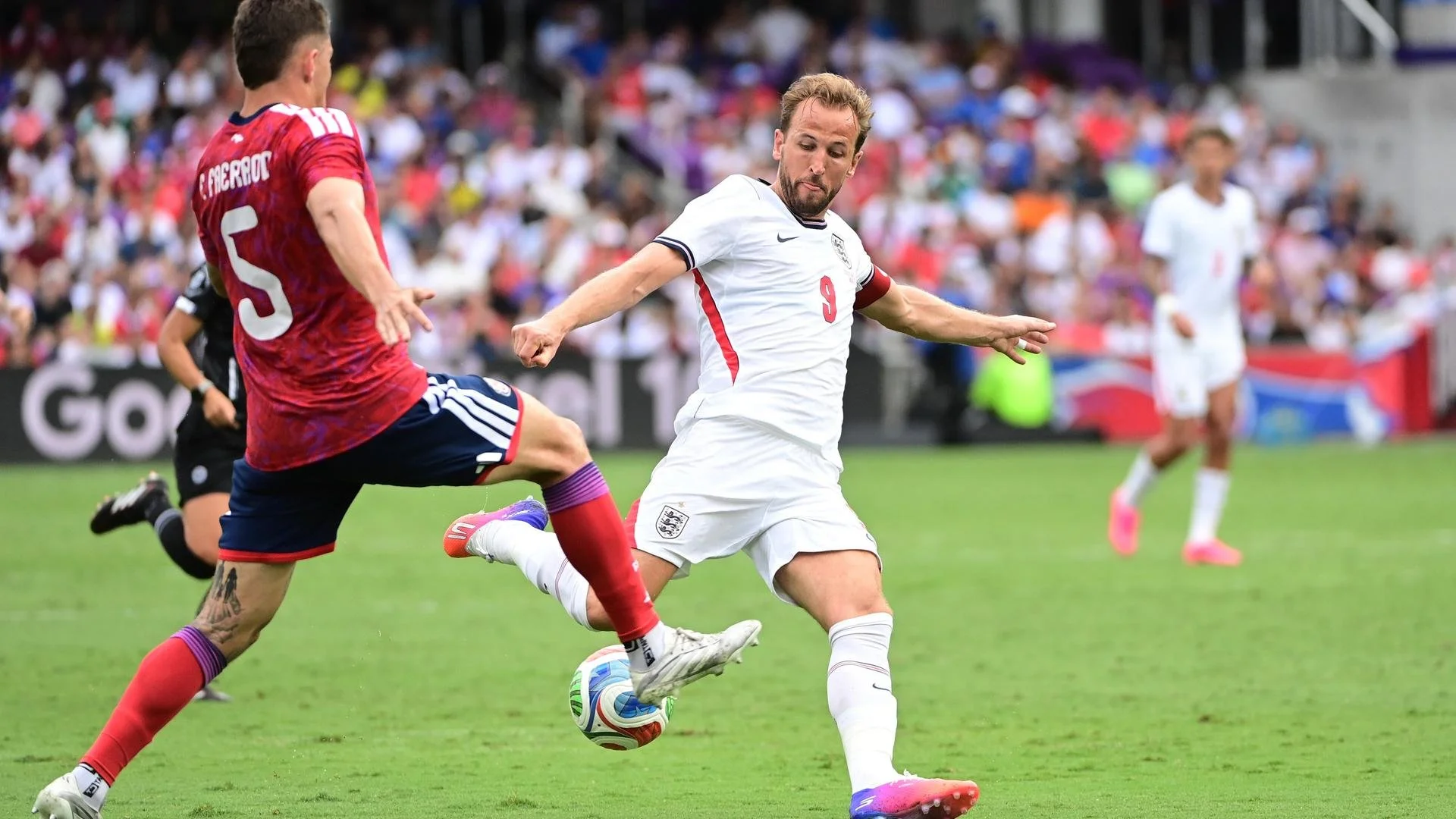
England World Cup 2026 Squad | Harry Kane | Team Psychology | Psychological Architecture
I explored this directly in my blog on State of Mind, which draws on conversations with Gaël Clichy and Willy Caballero. State governs performance. Not confidence, state. The difference matters. Confidence is brittle and contingent. State is something you can learn to enter and sustain regardless of external conditions. Kane appears to have mastered this. His body language after missed chances, his composure when isolated, his ability to show up for the biggest fixtures, these are not personality quirks. They are the product of years of psychological work, whether consciously undertaken or absorbed through experience.
The Weight of 1966
Keane and Neville both addressed the question of England's 1966 World Cup victory, the shadow it casts, the comparisons it generates. Keane was blunt: that legacy should inspire players, not paralyse them. Neville went further, calling it "a failure in mentality" when past success is experienced as pressure rather than fuel.
I think they're both right, and both only half right.
The issue isn't the legacy itself. The issue is that most of the England players who have carried that legacy onto the pitch haven't had the tools to process what it means to represent a country that expects everything and has waited sixty years. That's not a talent problem. It's a psychological problem.
In my blog on Emotional Dysregulation in Football, I wrote about how the football environment, from grassroots to international level, normalises emotional suppression while simultaneously demanding emotional performance. Players are taught to control themselves outwardly but are rarely given frameworks for understanding what's happening internally. When the pressure amplifies to World Cup level, the unprocessed material has nowhere to go but out, in missed penalties, in poor decision-making, in the kind of collective freezing that England have specialised in over the decades.
Kane is different. And the reason Kane is different is worth examining, not just celebrating.
What Tuchel Has Actually Built
Tuchel's decision to omit creative, technically gifted players in favour of pace and energy is divisive. But from a performance psychology standpoint, it reflects a clear intention: reduce cognitive and technical complexity, elevate physicality and directness, and create an environment that optimises for Kane's specific genius.
Kane drops deep. He links play. He draws defenders. He creates space for runners. Tuchel has surrounded him with the most able runners available, and trusted that Kane's football intelligence will do the rest.
In my coaching tips blog, Tips for Football Coaches, I wrote about the importance of coaches "seeing the person" rather than only seeing the player. Tuchel appears to have done exactly this with Kane. He's asked not "what does Kane need to be tactically effective?" but "what environment does Kane need to express his full self?" Those are meaningfully different questions. The second one is harder to answer, and rarer among managers at the highest level.
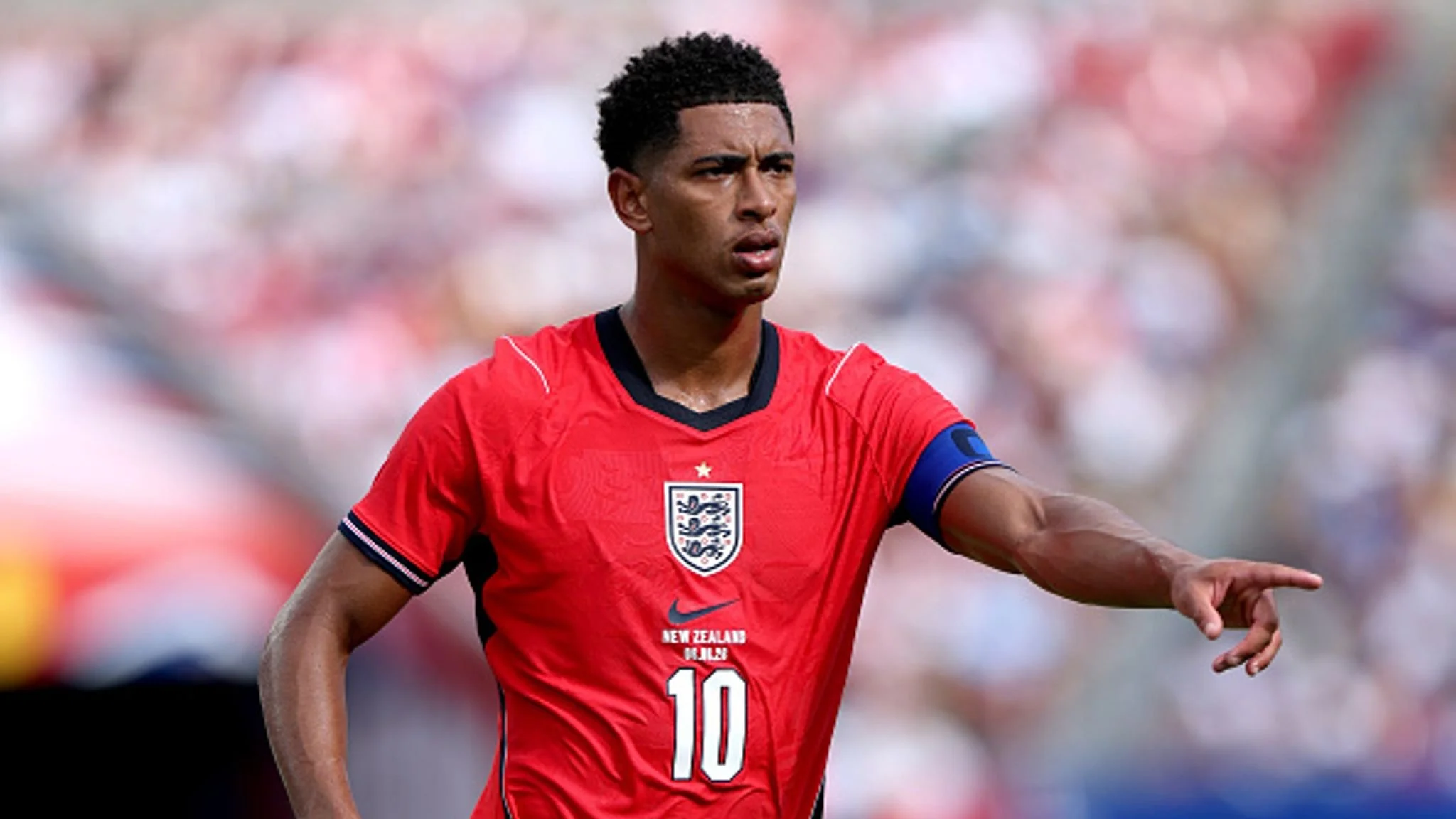
Jude Bellingham | England | World Cup 2026 | Pressure & Emotional Regulation | Analysis by Kevin George
Jude Bellingham enters the tournament in a different position. Narky, as Keane put it, perhaps carrying the residue of a difficult season at Real Madrid. Keane frames that edginess as an asset, and he may be right. But it's worth watching. Players who channel irritation well under pressure can elevate. Players who don't can become destabilising forces at exactly the wrong moment.
The 'Hiding' Question
One of the dynamics I've spent years studying in professional football is the phenomenon I wrote about in Footballers That Hide. Thousands of players, at every level of the game, hide on the pitch when pressure escalates. They make themselves unavailable. They avoid the ball. They find the margins. The physicality continues but the psychological engagement withdraws.
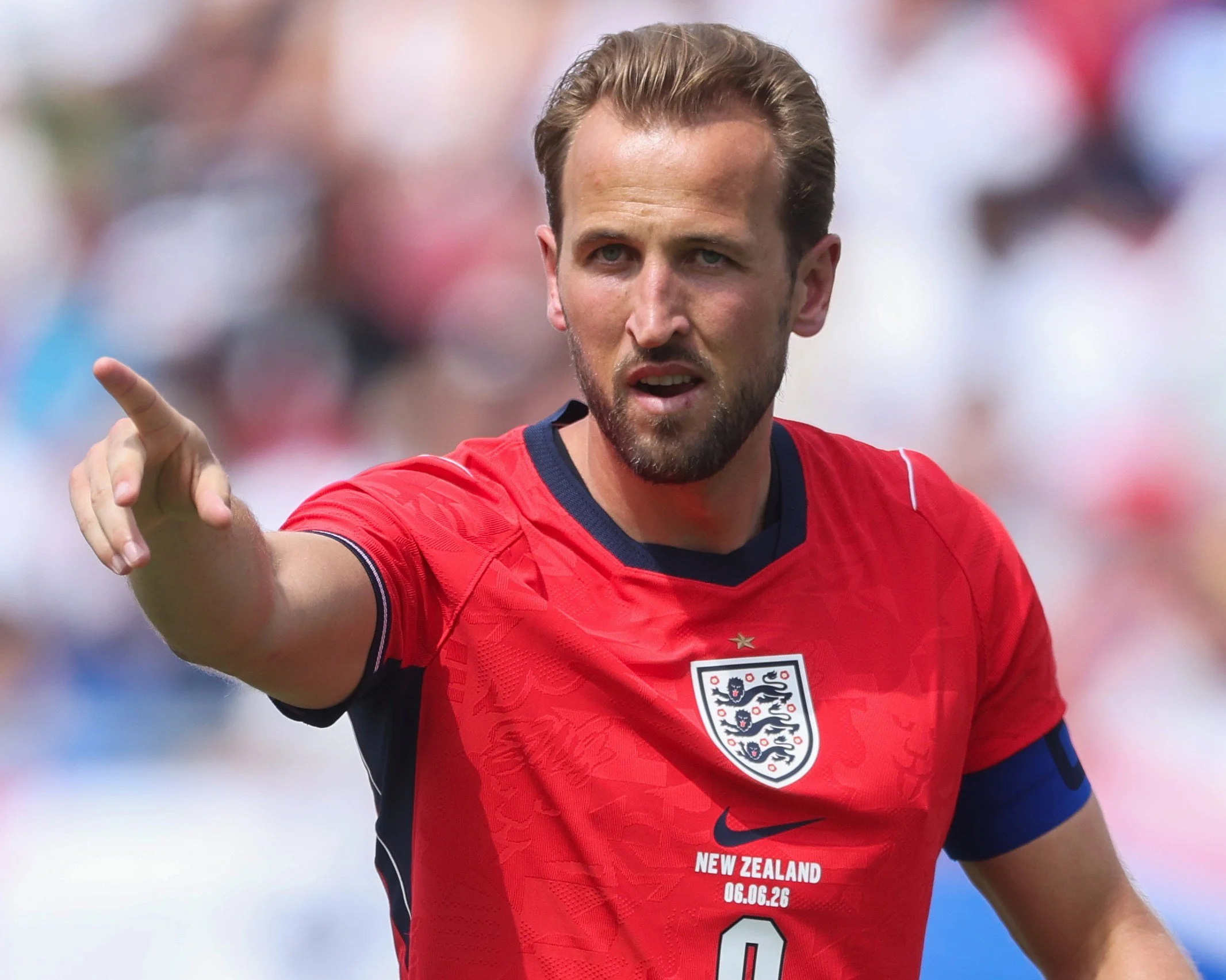
Kane cannot hide. Structurally, tactically, and in terms of public expectation, he is the most visible man on the pitch at every moment. And he doesn't want to. That is, in my clinical view, the single most important psychological attribute in this England squad. His willingness to be found, to be the one who takes the ball under pressure, who takes the penalty, who fronts up when others are shrinking, is the load-bearing beam of England's entire World Cup structure.
Whether that beam holds over a potentially seven-game tournament, after a season of 51 appearances and 61 goals, is the real question.
What This Means Beyond Football
Every World Cup, I watch the same drama play out, and I see it not just as sport, but as a live demonstration of what I teach in schools, boardrooms, and therapy rooms.
The principles governing Kane's performance are the same principles governing how a teacher handles a classroom that's unravelling, how a parent responds when their child is in crisis, how a leader holds a team steady when everything around them is uncertain.
State management. Pressure as fuel. The relationship between identity and role. The difference between visible composure and internal regulation. These are not abstract psychological concepts. They are what separate the people who perform when it matters most from the people who don't.
If you're watching England's World Cup campaign and you want to understand what you're really watching, read Emotional Literacy: Intelligence with a Heart and follow the deeper themes I've been exploring in my book Soccology, inside the hearts and minds of successful professionals.
Kane isn't just England's centre-forward. He's the clearest case study in psychological architecture that professional sport has to offer right now. Watch him carefully.
Kevin George is a BACP-registered psychotherapist, former professional footballer (West Ham United, Charlton Athletic), and the Amazon No.1 bestselling author of Soccology. He is Director of Soccology CIC, a former PPGG board member at Kick It Out, and an advisory member of the Premier League procurement panel. He is a regular contributor to BBC, ITV, Sky Sports, Sky News, GQ, and the Guardian.
Follow: @iamkevingeorge | kevingeorge.online | soccology.com