Why Football Remains England's Most Powerful Alternative Intervention
By Kevin George | Clinical Therapist, Former Professional Footballer, Author of Soccology
There is a conversation happening right now that the World Cup will not show you.
As billions of eyes turn to the stadiums of the United States, Canada, and Mexico this summer, watching nations compete at the highest level of the world's most universal game, another story is unfolding on the training grounds, cage pitches, and community astroturfs of England. It is a story that does not make the broadcast. But it is the story that, clinically and humanly, matters most.
It is the story of the boy who gets promoted for the very qualities that get him punished everywhere else.
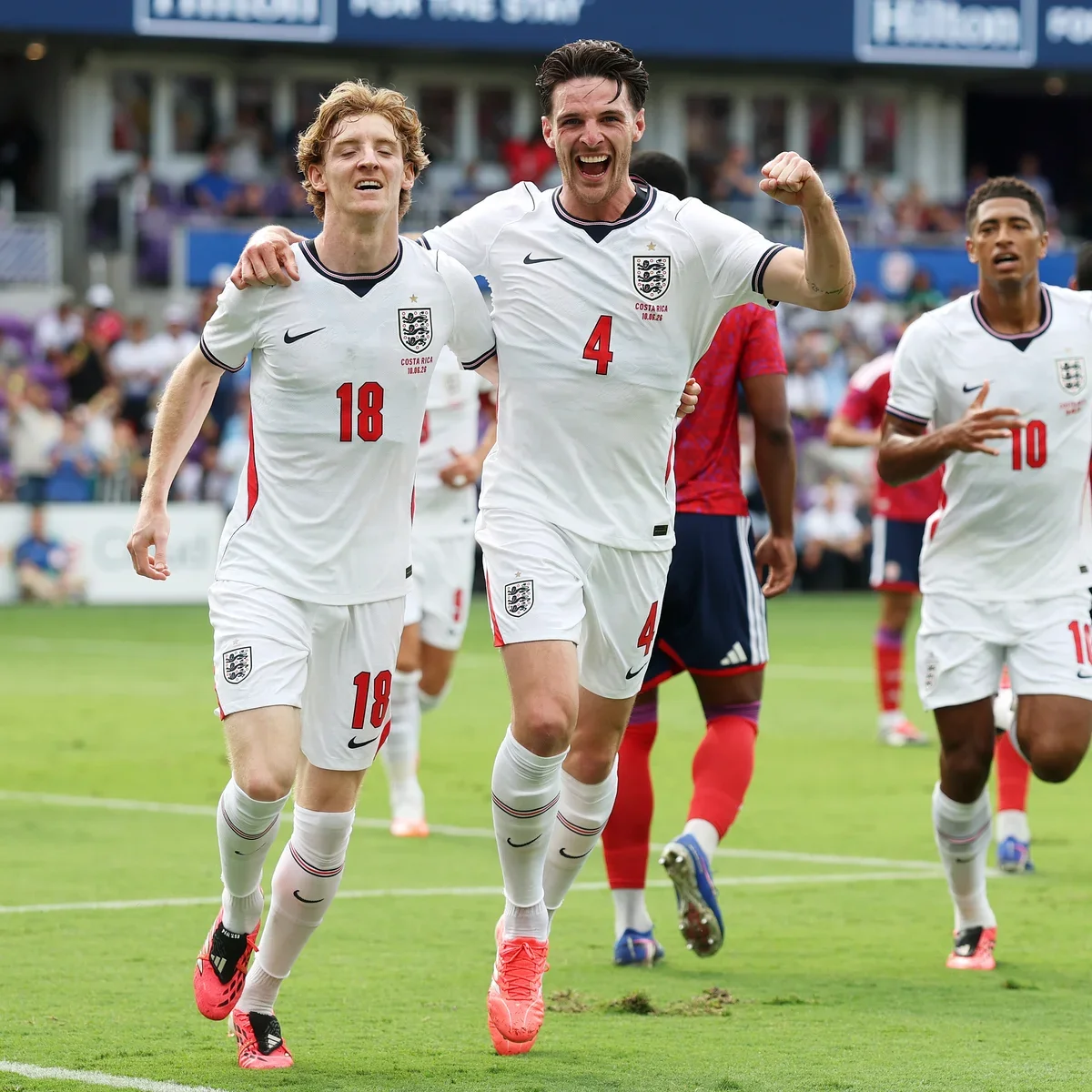
England goal scorers Declan Rice and Antony Gordon celebrate. After goals against Costa Rice, in the 2026 World Cup warm up game.
Rejected at Home. Excluded from School. Accepted on the Pitch.
In my work as a BACP-registered psychotherapist, and in the twenty-plus years I have spent inside schools, academies, family courts, and community programmes, I have met this boy thousands of times. He arrives with a file before he arrives in person. Looked-after child. Permanent exclusion. Risk of exploitation. SEMH needs. The language of systems that have processed him, categorised him, and, with the best of intentions, failed him.
What those systems often cannot accommodate is who he actually is: fiercely competitive, physically expressive, loyal to the people who have earned his respect, alert to hierarchy and status, operating by a social code that is internally coherent even when it is externally unrecognised. He is not broken. He is unhoused.
The pitch doesn’t ask where you’re from.
In England right now, there are boys being rejected at home, excluded from school, and written off by every system designed to help them. And then they walk onto a football pitch, and everything inverts.
The aggression society calls a problem becomes the drive that earns them respect and protects them. The refusal to submit becomes the confidence on the ball coaches look for and pushes them through the ranks.
Football doesn’t just accept these boys. It promotes them, for the same reasons society rejects them. As the world watches the 2026 World Cup this summer, I want us to ask a harder question than who’s going to win.
How many of those players on that pitch were once the boy nobody knew what to do with? And what would have happened to them if football hadn’t been there? Extend further to your environment. How has football benefited your life and those around, and could you be using the game as a tool to engage the disengaged?
And then he walks onto a football pitch.
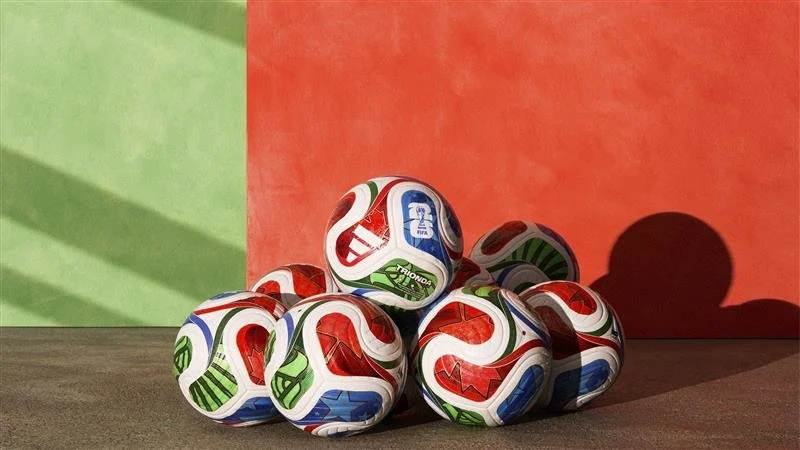
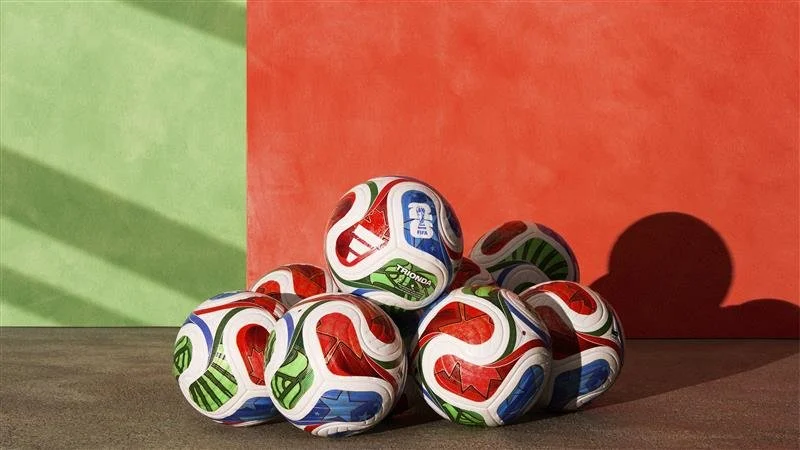
Adidas 2026 World Cup
The Inversion Nobody Talks About
What football does, and what no statutory intervention I have encountered does as efficiently, is invert the terms of rejection.
Society says: your aggression is a problem. Football says: channel it, and you become a warrior.
Society says: your obsession with hierarchy and status is antisocial. Football says: earn your place in ours, and go beyond.
Society says: your physical expressiveness is a threat. Football says: “Go one lad!”… it is your instrument.
Society says: your refusal to submit to arbitrary authority is defiance. Football says: your confidence on the ball, your willingness to take the game on, and challenge authority in honour of your team, is exactly what we need.
This is not a metaphor. It is a clinical observation. Boys who have been told, repeatedly, that who they are is a deficit, discover, in football, that who they are is an asset. That is not recreational benefit. That is identity repair.
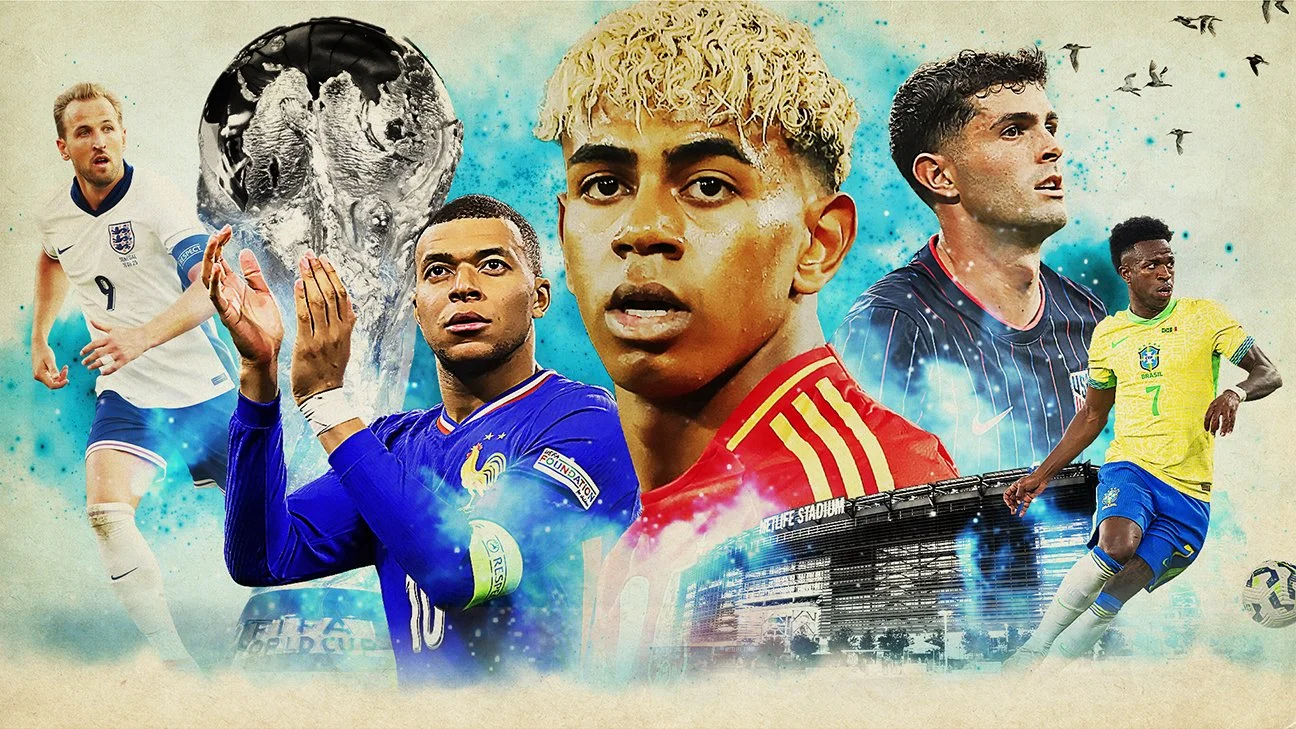
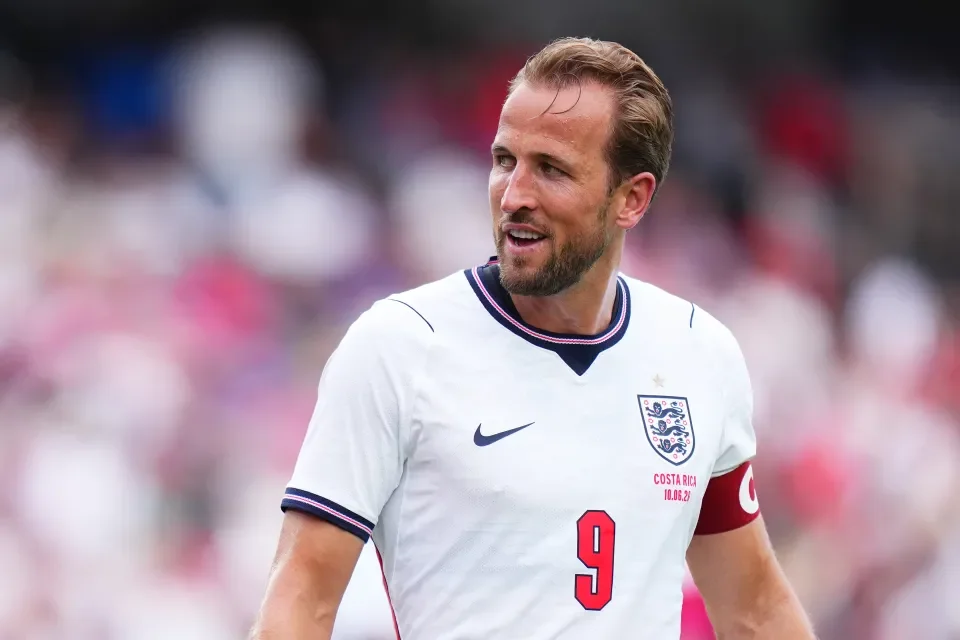
Lamine Yamal, Kylian Mbappe, Harry Kane, Christian Pulisic and Vinicius Juniour, in the 2026 World Cup
Extended Boundaries as a Therapeutic Container
There is something else football provides that we rarely name in clinical terms: extended boundaries.
The structure of football, its rules, its hierarchies, its demands, its culture of accountability, provides what the psychoanalytic tradition would recognise as a containing environment. Not a permissive one. Not one that tolerates everything. A firm, consistent, demanding one. Which is precisely what boys who have grown up in environments of inconsistency, unpredictability, and trauma most need.
The manager who will not let you give less than your best is not your enemy. He is, for many of these boys, the first reliable adult male who has held a consistent expectation of them. The consequence of missing training is not a referral or a review meeting. It is that you do not play. Simple. Fair. Legible. The opposite of the opaque systems that have moved them between placements and exclusion panels without ever explaining the rules.
Football doesn't just hold boys. It tells them the truth about themselves, and gives them a structure within which to grow into it.
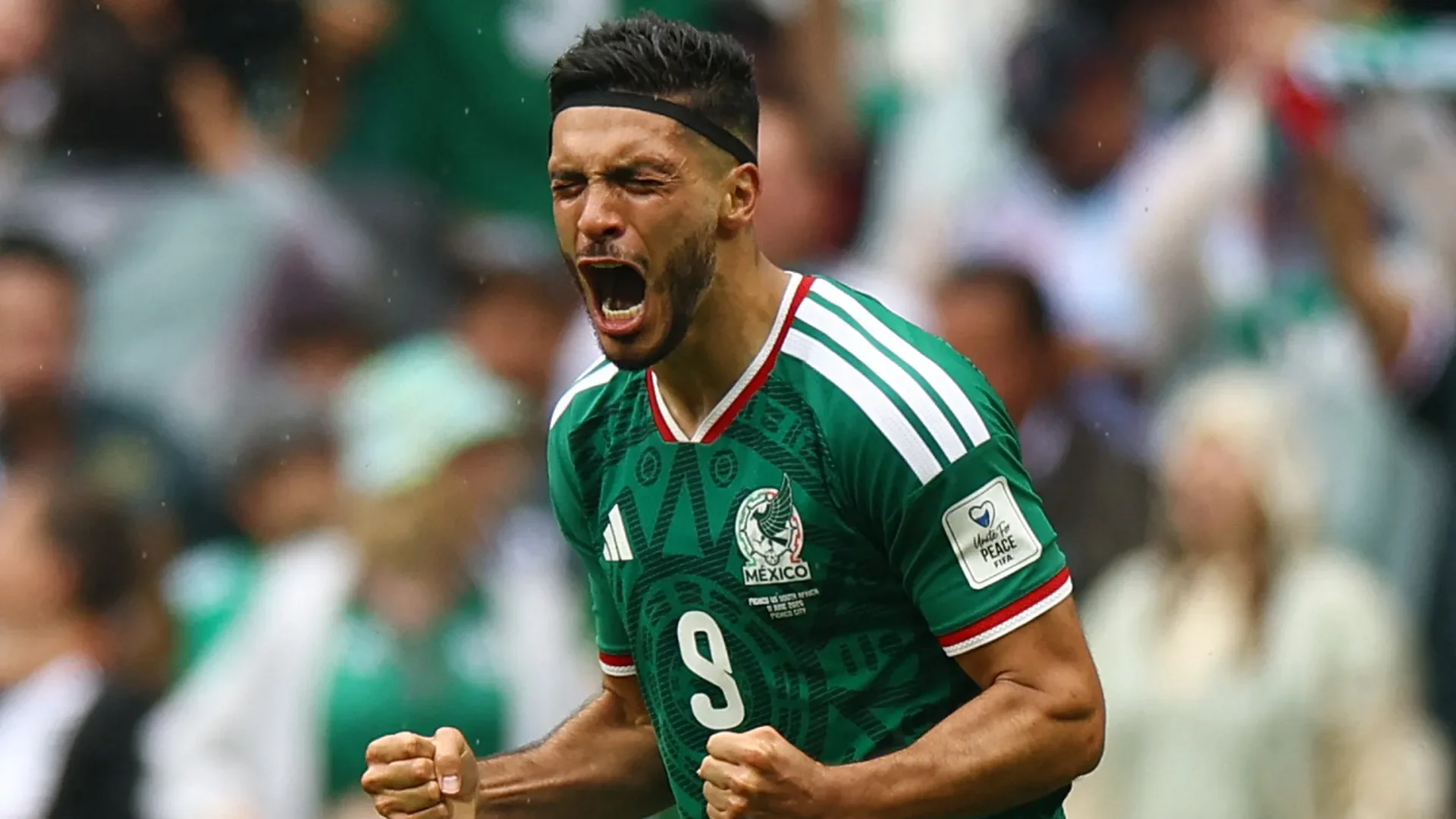
Raul Jimenez’s emotional response after scoring on the first day of the 2026 World Cup
As the World Watches: What the 2026 World Cup Should Make Us Ask
Every four years, the World Cup produces its crop of redemption narratives. Players who grew up in poverty. Players who came through war. Players who were failed by every institution except the one that put a ball at their feet.
We watch them lift trophies and we call them inspirational.
What we are slower to do is look at what created the conditions for their survival, and ask whether we are providing those conditions at scale, deliberately, as a matter of public health policy.
Whether it be my independent work or via Soccology, I have spent years building the evidence base for football as a structured psychosocial intervention, not a reward for compliance, not a bolt-on to existing provision, but a primary vehicle for identity development, emotional regulation, and social integration. The boys and men I work with are not failed by football. They are failed by the world that surrounds it, and then found again by the pitch.
As England watches the world's best players this summer, I want us to ask a harder question than "who will win."
I want us to ask: how many of those boys on those pitches were, at some point, the boy no one knew what to do with?
And what would have happened to them if football hadn't been there?
Kevin George is a BACP-registered psychotherapist, former professional footballer (West Ham United, Charlton Athletic), and Amazon No.1 bestselling author of Soccology. He is Head of Health and Wellbeing and Designated Safeguarding Lead at RISE Education, Senior Family Therapist at Child and Family Solutions, and Director of Soccology CIC. He is a board member at Kick It Out and a guest lecturer at the University of West London.