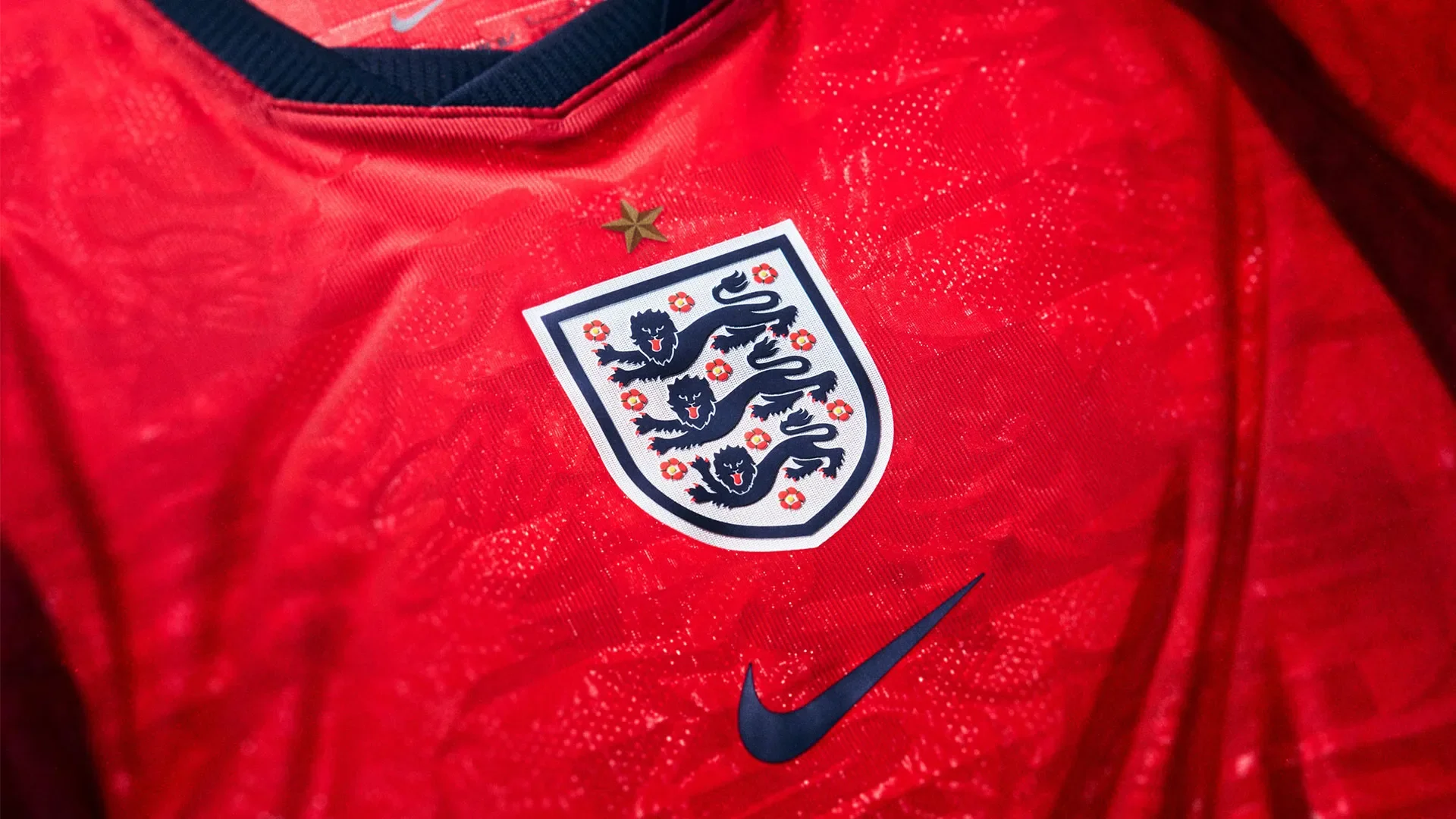
The World Cup Is the Greatest Mental Health Laboratory on Earth. Here Is What It Teaches Us About Performance, Pressure and People.
By Kevin George | Clinical Therapist, Former Professional Footballer, Author of Soccology
The 2026 FIFA World Cup kicks off tomorrow. Forty-eight nations. Sixteen cities across the United States, Canada and Mexico. The largest, most politically charged, most psychologically demanding tournament in football history. And for anyone working in mental health, performance psychology or human development, it is the most compelling real-time case study available.
I have been watching football my whole life. I played it professionally at West Ham United and Charlton Athletic. I have spent the last twenty years working with the people inside it: Premier League clubs, academies, elite players, young men who will never play professionally but whose relationship with the game shapes everything about how they move through the world.
What the World Cup is doing right now, what every player stepping off a plane in New York or Dallas or Los Angeles is navigating, is not just a football challenge. It is a human one. And it mirrors, with extraordinary precision, what I see in therapy rooms, schools, and community programmes every single day.

2026 FIFA World Cup USA: The Biggest Performance Psychology Event on Earth
The 48-Team Experiment and the Pressure It Creates
This is the first World Cup to feature 48 teams. That decision, whatever its commercial logic, has a psychological dimension that almost nobody is talking about. More teams means more matches. More matches means more accumulated pressure, more disrupted sleep, more cumulative fatigue for players who have already played 50 or 60 games this season.
Research published ahead of this tournament in Sports Medicine confirmed what clinicians in elite sport have known for years: psychological resilience, not just physical conditioning, is among the critical determinants of performance across a tournament that can now run to eight matches for semifinalists. Stress management, sustained concentration and emotional balance under media and competitive pressure are not soft skills. They are the edge.
I have seen this at close quarters throughout my career. Working across Premier League clubs, delivering human performance programmes on behalf of the Premier League itself, and conducting the research interviews that formed the basis of my book Soccology, the same pattern appeared again and again. The players who could regulate themselves under accumulated pressure, who could reset after a poor performance, who understood their emotional state as data rather than noise, outperformed players with superior technical gifts who could not.
The World Cup compresses all of that into six weeks. What takes a season to develop or destroy, this tournament can replicate in a fortnight.
What Professional Footballers Taught Me About Mental Health
In researching Soccology, I interviewed 45 professional footballers from around the world. Players from Europe, the Americas, Africa and beyond. What I was looking for was not the public narrative of elite performance, the clichés about winning mentality and hunger. I was looking for what was actually happening psychologically inside elite sport.
What I found was that the players who thrived at the highest level were rarely the most individually talented. They were the ones who had developed a coherent relationship with themselves. They understood why they played. They had processed, to varying degrees, the identity question that professional sport throws at every participant: who am I when the performance ends?
That question is not abstract. It lands in real, practical terms. A player dropped from a World Cup squad the week before the tournament opens has to manage not just the disappointment but the unravelling of an identity that has been built across an entire season. A player called up at the last minute as a replacement must compress months of psychological preparation into days. These are clinical challenges. They require the kind of emotional literacy that elite sport has historically been very reluctant to develop.
The 2026 tournament is different in this respect. There is a growing acknowledgement, visible in how squads are being prepared and how sports medicine literature is framing its guidance, that mental health infrastructure is now a legitimate component of tournament readiness. That is progress. But it is fragile, and it remains far behind where the clinical evidence says it should be.
The Environments Boys Come From: What the World Cup Mirrors
Here is where the World Cup becomes a metaphor that matters beyond sport.
Every player in this tournament came from somewhere. They grew up in a community, attended a school, had or did not have adults around them who understood what they were carrying. The trajectory from a south London estate or a favela in Rio or a suburb of Dakar to a World Cup stadium is not simply a story of talent and hard work. It is a story of psychological survival, of emotional development that happened despite the environments many of these players grew up in, not because of them.
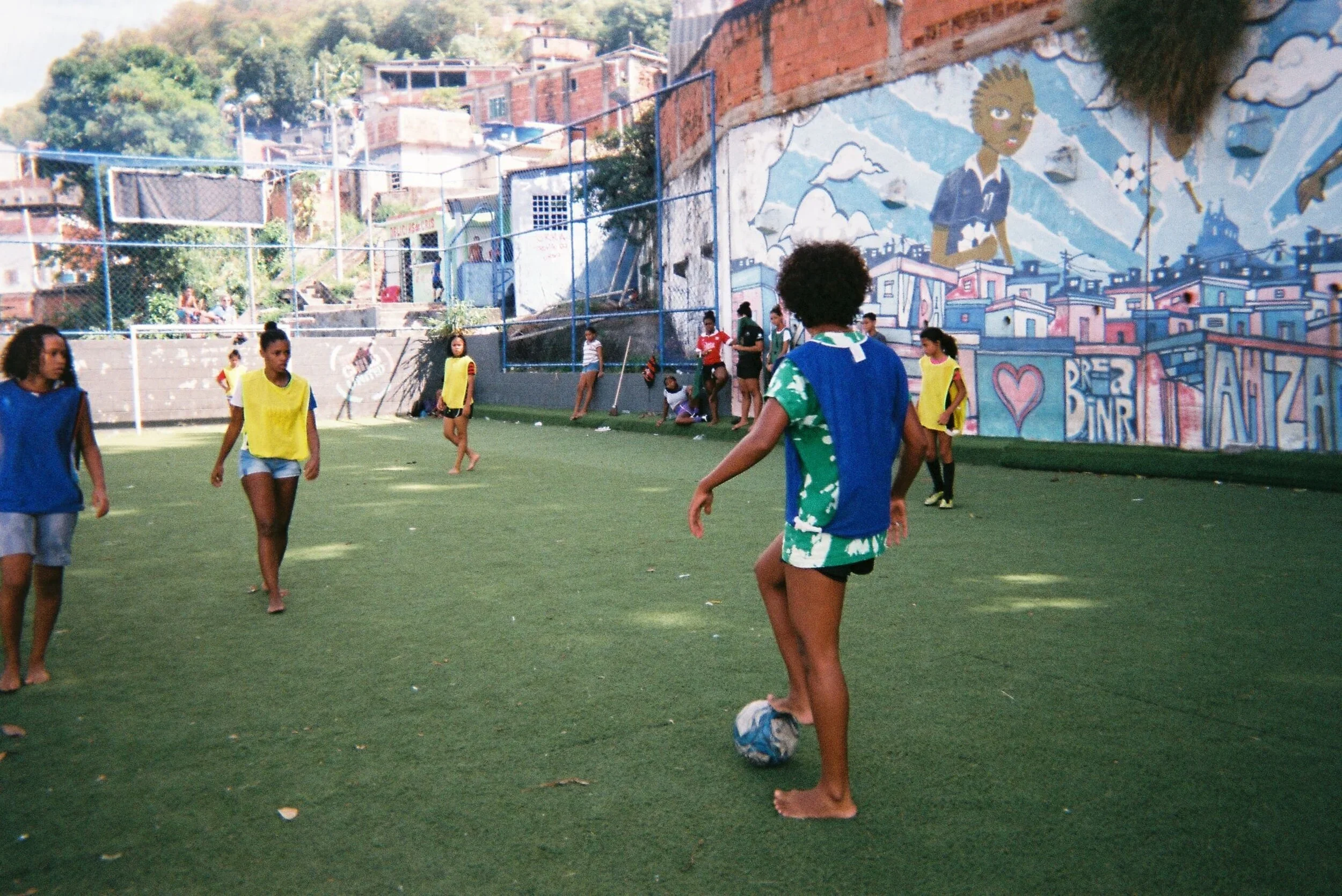
From the Streets of Rio to the World Cup Stage: Where Psychological Survival Begins
I have spent years working with boys and young men who will never appear in a World Cup but whose psychological architecture is shaped by the same forces that shape elite athletes: unprocessed adversity, identity built on performance, emotional literacy that nobody ever taught them. I work with them in schools, in community settings, in therapy rooms. I work with them in football academies where the talent is visible but the emotional scaffolding is absent. I work with families navigating systems that were designed without them in mind.
The World Cup does not resolve those structural questions. But it makes them visible in ways that nothing else quite does. When a player breaks down under pressure on the biggest stage, or when a team collapses despite having superior talent, we are watching the consequences of emotional development, or its absence, play out in real time.
That is not a metaphor. That is the clinical picture made public.
What the Tournament Reveals About Leadership and Psychological Safety
One of the most debated psychological questions heading into this tournament is about leadership. How do coaches build psychological safety inside a squad that contains players from different clubs, different cultures, different levels of experience, who must cohere under extraordinary pressure in a compressed timeframe?
I have written about this before in the context of Thomas Tuchel's England squad selection. The decision to omit certain players in favour of functional fit over individual reputation reflects a deeper truth about performance environments: psychological coherence is not a luxury, it is the architecture of success.
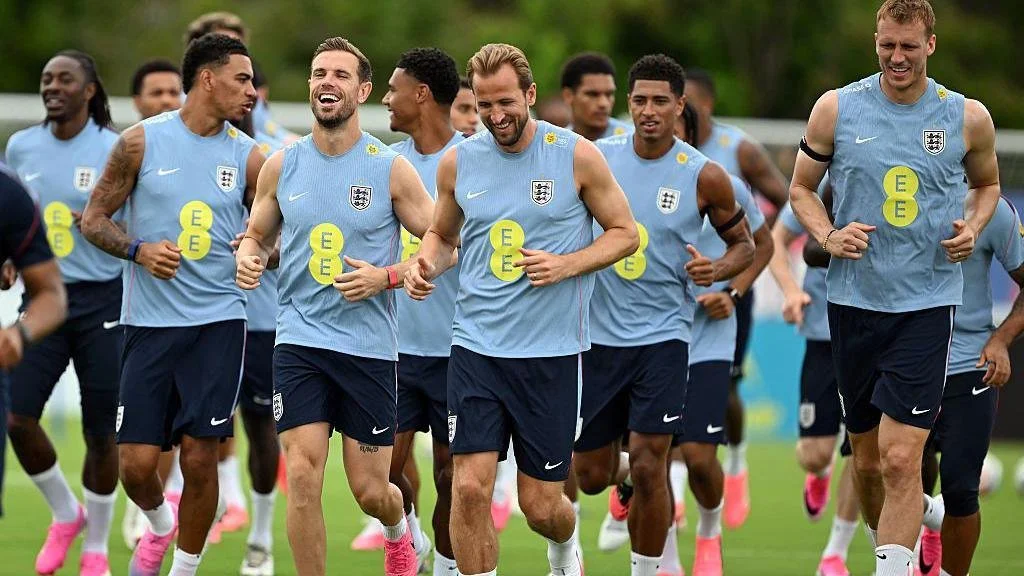
Across my work with Premier League clubs and in my research with players, I have seen what happens when psychological safety is absent from a squad environment. Players protect themselves rather than performing. Communication contracts. The collective intelligence of the group collapses under exactly the conditions that demand it most. Tournament football.
What the great coaches understand, and what the psychological evidence consistently confirms, is that the relationship between a coach and a player, the quality of that relational environment, is among the strongest predictors of performance outcome. Not the tactical system. Not the quality of the individual players. The relational environment.
That is exactly what I work to build in every context I operate in. Whether I am working with a Premier League academy, a SEND school in south London, a community programme for boys who have never engaged with mental health support, or a family navigating the family court system, the clinical question is the same: what does this person need to feel safe enough to perform?
Men's Mental Health Awareness Month and the Timing of This Tournament
The World Cup begins this week. June is Men's Mental Health Awareness Month. That timing is not accidental in terms of its significance.
Millions of men and boys across the world will spend the next six weeks watching this tournament. They will watch players succeed and fail, celebrate and collapse, support and undermine each other. They will see, often without the language to name it, the full range of human emotional experience played out in a context they care deeply about.
That is an opportunity. Not a gimmick, not a marketing hook, but a genuine clinical and educational opportunity. Football is the entry point for boys and men who have never sat in a therapy room and never will. It is the language they speak before they have any other language for inner life. The World Cup is the moment when that language is at its loudest.
My work across clinical practice, community health, sport and education has always been built around a single conviction: you meet people where they are. For an enormous proportion of boys and men, where they are is football. The work of emotional literacy, resilience, self-understanding, that work happens most effectively when it begins on ground the person already trusts.
The World Cup, for all its commercial excess and political complexity, is still that ground.
What Organisations and Leaders Can Learn from the Tournament
The World Cup is not just relevant to sport. The dynamics it exposes, about pressure, identity, belonging, trust, leadership and psychological safety, are the same dynamics that determine outcomes in every high-performance environment.
I work with organisations and leaders who are navigating exactly these questions. What does it mean to build a high-performing culture that does not destroy the people inside it? How do you retain talent when the psychological demands of the work are invisible? What does emotional literacy look like in practice, not as a training day exercise but as a living feature of how people relate to one another?
The answers are not complicated in principle. They are hard to implement because they require a willingness to take the inner life of people seriously, not as a welfare afterthought but as a strategic priority. The organisations and clubs and schools that do this well consistently outperform those that do not. The evidence is unambiguous. The application remains rare.

High-Performance Leadership and Psychological Safety: What the World Cup Teaches Organisations
If the World Cup shows us anything, it is that talent without psychological infrastructure is unreliable under pressure. That is true of a team preparing for a knockout game in Dallas. It is equally true of a workforce navigating a restructure, a classroom navigating complex needs, or a family in the middle of a crisis.
The principles are the same. The contexts differ. The work is what I do.
A Final Note
Tomorrow the tournament begins. I will be watching, as I always do, on two levels simultaneously. The surface level: the football, the tactics, the results, the moments. And the deeper level: the human beings inside those results. The player who misses a penalty. The manager who loses the dressing room. The young substitute who delivers the performance of his career under conditions that would undo most people.
That second level is where I have always lived, as a former player, as a therapist, as a researcher, and as someone who grew up in south London understanding that the gap between potential and realisation is almost never about ability. It is almost always about what is happening on the inside.
That is the work. And it matters far beyond the final whistle.
KG
Kevin George is a BACP-registered psychotherapist, former professional footballer (West Ham United and Charlton Athletic), and Amazon No.1 bestselling author of Soccology: Inside the Hearts and Minds of Successful Professionals. He is Head of Health and Wellbeing and Designated Safeguarding Lead at a SEND school, Senior Family Therapist in private law and Director of Soccology CIC, a former Professional Player’s Guidance Group board member at Kick It Out, and an advisory member of the Premier League procurement panel. He guest lectures and writes at kevingeorge.online. His work spans professional football, SEND education, community mental health, corporate wellbeing, family therapy and the criminal justice system.
If you are looking for a clinician, consultant or keynote speaker who understands the environments your people actually live and work in, start at kevingeorge.online.