Keep the Dream Alive is a global mental health and wellbeing programme empowering individuals to build resilience, purpose, and emotional strength through education and support.
All tagged football
Keep the Dream Alive is a global mental health and wellbeing programme empowering individuals to build resilience, purpose, and emotional strength through education and support.
As the World Cup approaches, conversations around performance, pressure, and mental health in football are becoming impossible to ignore. From relentless media scrutiny to the psychological toll of representing a nation on the world’s biggest stage, elite players face challenges that extend far beyond the pitch.
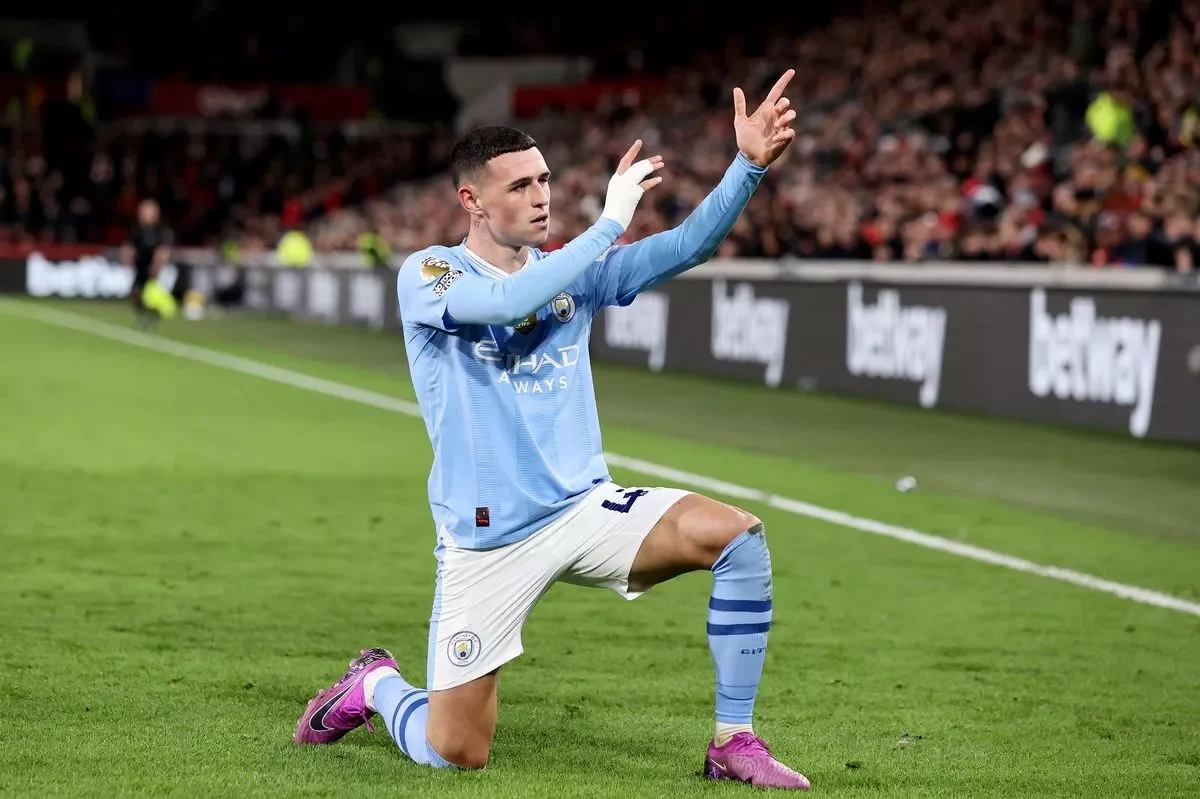
Using Phil Foden’s recent openness about his mental health struggles, this article explores how World Cup expectations impact footballers’ wellbeing, why mental resilience matters as much as physical fitness, and how clubs, managers, and fans can better support players during major international tournaments. Drawing on real-world examples from top-level football, this piece connects the global spectacle of the World Cup with the often-hidden emotional realities players carry into competition.
Whether you’re a fan, coach, parent, or professional interested in mental health in football, this article offers insight into how pressure affects performance — and why protecting mental health is essential for success on the world’s biggest stage.
In the world’s most popular sport, the calendar never seems to stop. Players move from league matches to international duty, from summer tournaments straight back into pre-season. Add the expanding Club World Cup and endless commercial tours, and football has become a machine that rarely powers down.
Ravel Morrison is a talented English footballer who has played for several clubs in the English Premier League and beyond. Despite his obvious talent on the pitch, Morrison has faced many challenges in his personal life, including struggles with his mental health, specifically attention-deficit/hyperactivity disorder (ADHD).