Fear Masquerading as Bravery: What English Football Got Wrong, and Why Culture Takes Longer to Change Than Results
By Kevin George | Clinical Therapist, Author & Founder of Soccology
When I was inside the professional football system as a player, I noticed something that took me years to fully articulate. We were afraid. Not in ways we could name, and certainly not in ways we were permitted to express, but the fear was there, running underneath everything like a fault line. What we did with it, collectively and generationally, was dress it up as something else. We called it bravery.
That rebranding wasn't accidental. It was cultural, and it was reinforced through imagery that became the unofficial curriculum of English football. Terry Butcher. Paul Ince. Blood-soaked head bandages held together by defiance and gaffer tape. These images weren't just celebrated, they were canonised.
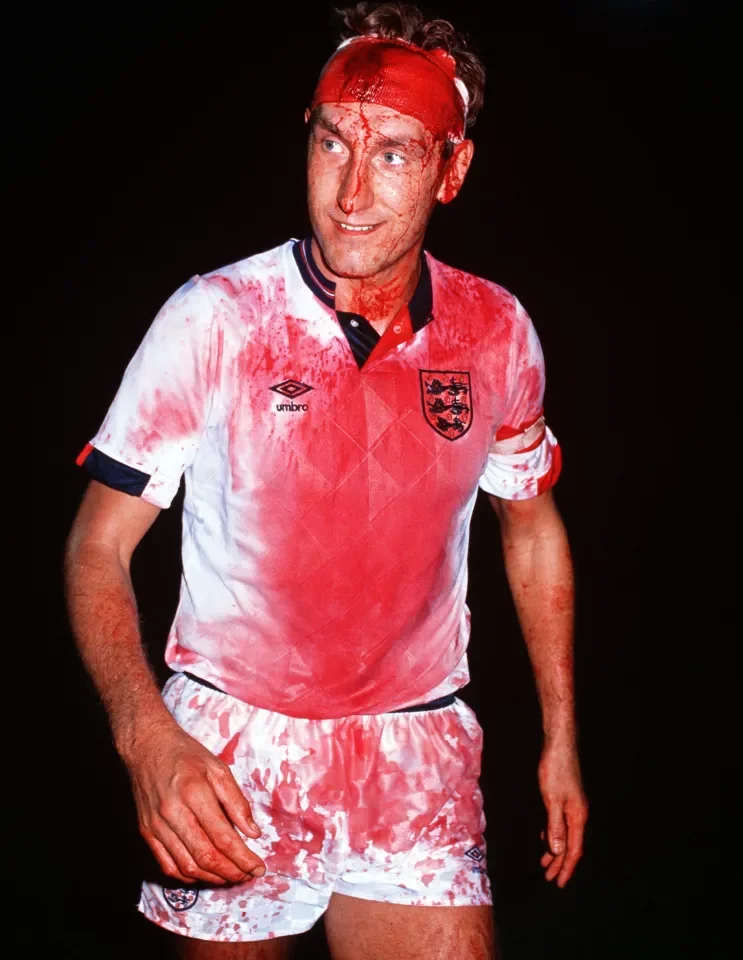
Terry Butcher playing with a bloodied head for England
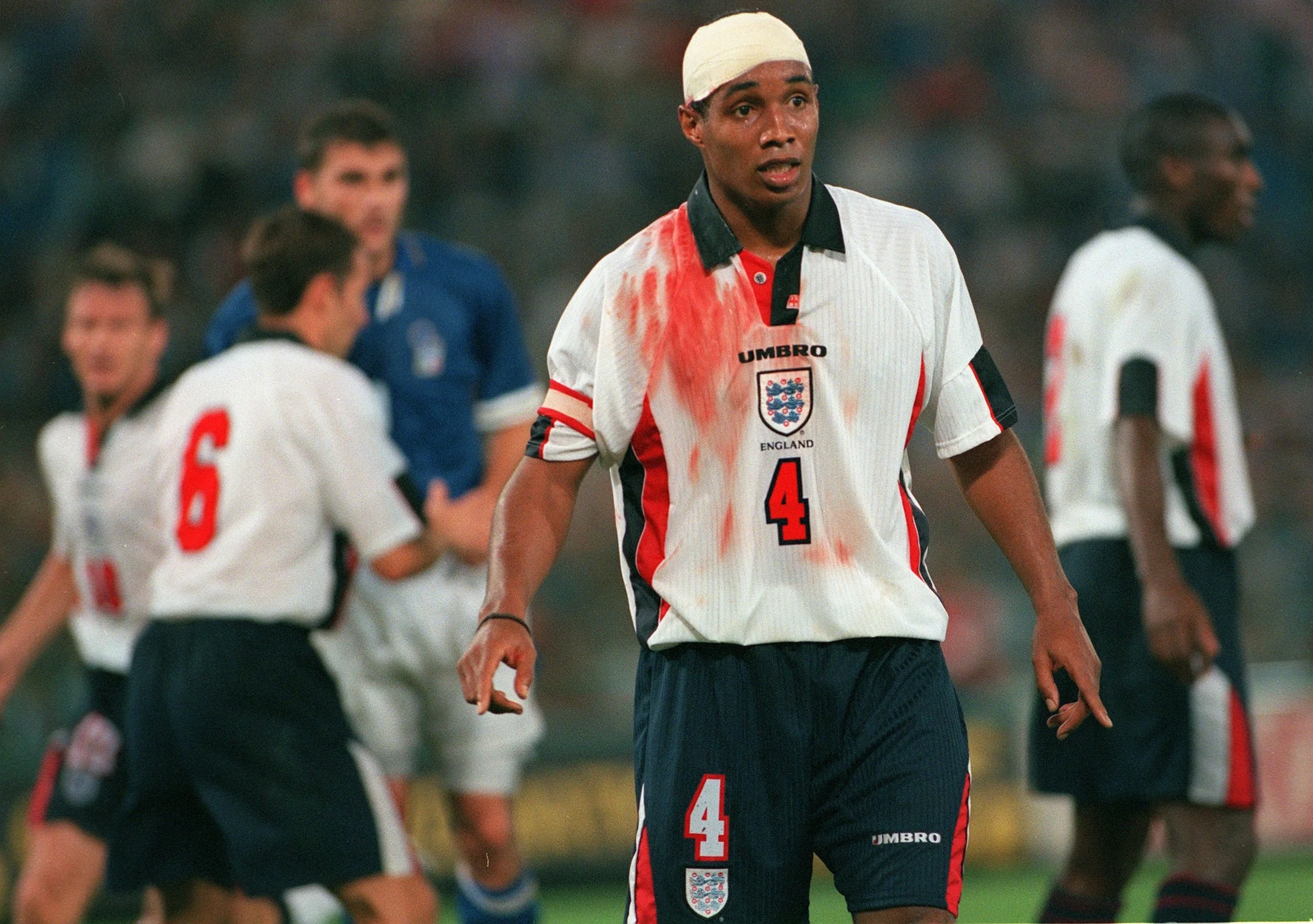
Paul Ince playing with a bloodied head for England
They shaped coaches at grassroots level, who then selected players in that image and coached everything else out. If you were talented but small, you were told you were too small. If you were technically gifted but reluctant to throw yourself into a challenge, you were a "tippy tappy player", and that phrase carried dismissal within it. An example of this occurred when former Arsenal youth player David Noble and I were both on trial at Wimbledon. During a reserve team match, I overheard the then Wimbledon manager, Stuart Murdoch, dismiss Nobes as a "tippy-tappy player." The comment struck me because, only a couple of years earlier, David Noble had been widely regarded as one of the top five central midfielders in the country, alongside Michael Carrick and Joe Cole. It was a reminder of how quickly a player's reputation can be reduced to a simplistic label when it doesn't fit a particular footballing philosophy.
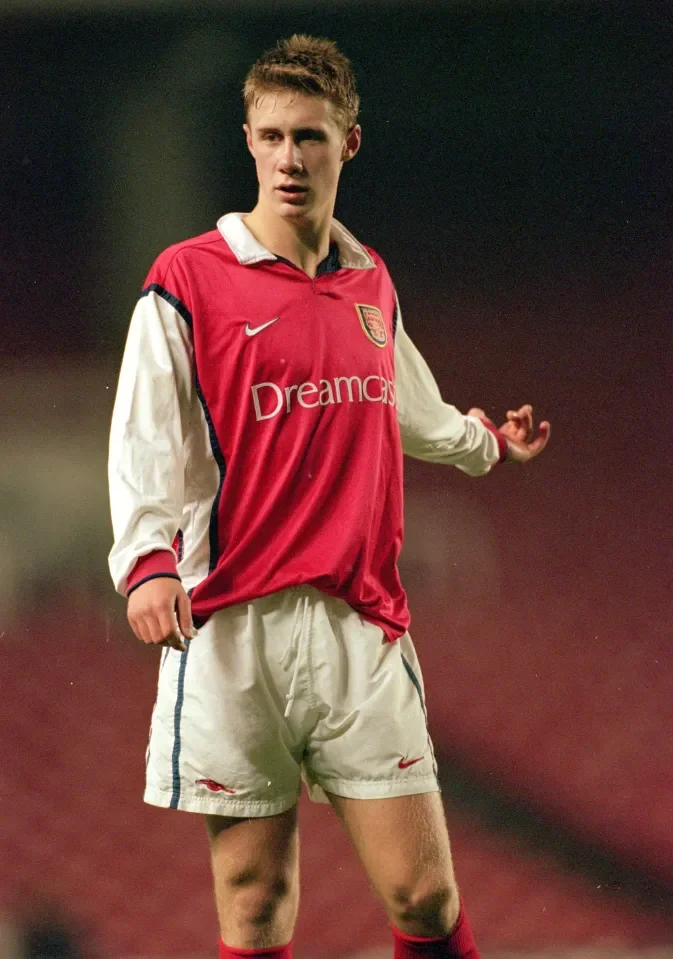
Arsenal’s David Noble in action
The exaggerated version of this logic reveals the absurdity clearly. Technical players had to be not just good, but extraordinary. Not only as a form of self-expression, but as the price of inclusion, because representing counter-culture within a culture that distrusts itself requires an entry toll. These players also had to be outstanding simply to receive the ball, to play it to teammates who were likely to hide in that same culture of risk-aversion, and to take risks in a system structurally designed to punish the attempt.
The Cognitive Load of the Ball-Carrier
Here is what never made sense to me even as a young player: we called the tackler brave. But when I analysed it, the person with the ball carries the greater psychological and neurological burden by some distance.
If I don't have the ball and you do, everything is in my favour. I have one task, you (anticipation of you). You, by contrast, must manage the ball, remain aware of my position, coordinate your body, construct options in your mind, rank those options, potentially recalibrate that ranking within half-second intervals as the situation changes, and then construct and execute a strategy. Perhaps wanting to play it to your striker but finding the pathway blocked, so deciding mid-motion to chip or curl around the opponent instead.
That is the person we should have been calling brave. The one who seeks possession in a crowded, dynamic, psychologically pressured environment, with the odds, and the scrutiny, stacked against them.
This was not just a misreading of courage. It was a misreading of what makes football work.
Coping Strategies and the Choice to Grow
This matters beyond football, because it mirrors something fundamental in how we manage difficulty in life more broadly.
When a coping strategy stops serving us or does a disservice, we face a choice. We can abandon the strategy and grow through the discomfort of developing into the nearer version of ourselves. Or we can remarket the coping strategy, reframe it as strength, as identity, as culture, and avoid the growth entirely.
English football chose the remarket. Aggressive tackling, physical dominance, the performative disregard for pain, none of this was ever really bravery. It was anxiety wearing bravery's clothes. And because the anxiety was never named, it was never addressed. It simply reproduced itself across generations, from the images on the wall to the coaching badge, from the coaching badge to the training ground, from the training ground to the next generation of players who learned the same lesson: feel nothing, fight everything, call that strength.
As I've written in The Shadow Knows: Jung, Football, and the Mental Health Crisis We Keep Refusing to Face, this is precisely what happens when the shadow runs the show unchallenged, we suppress what we're ashamed of, project it outward, and call the result culture.
What Barcelona Showed the World
Multiply the ball-carrying player I described across a team, and you begin to approach something remarkable. You get combinations. You get triangles. At the highest level of this philosophy, you arrive at what Pep Guardiola produced at Barcelona: the geometry between Xavi Hernández, Sergio Busquets and Andrés Iniesta, and Lionel Messi operating further up the pitch as both endpoint and conductor.
That side didn't remarket fear. It dismantled the premise that fear was necessary. It replaced risk-aversion with something more demanding and more honest: risk-intelligence. The courage wasn't in the tackle. It was in the touch, the positioning, the willingness to receive the ball under pressure and play through it rather than away from it.
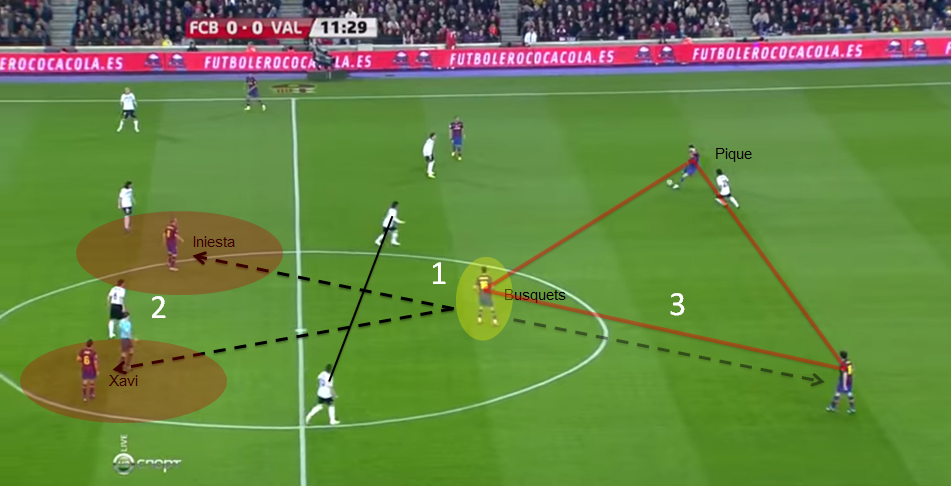
Pep Guardiola's Barcelona didn't remarket fear, they replaced it with risk-intelligence. The courage was in the touch, not the tackle.
Xavi put it plainly. Speaking about English football culture, he observed that in England, when a player wins the ball and clears it into the stands, the crowd roars. "There's a roar! They'd never applaud that here." That single observation cuts to the heart of the cultural difference, not tactical, not technical, but emotional. What we choose to celebrate tells us what we believe success looks like. And for a long time, English football celebrated the clearance.
Where We Are Now
England has moved. The journey from fear masquerading as bravery toward something resembling creative courage has been incremental, uneven, and not yet complete, but it is real. As I explored in England at the World Cup: What Tuchel's Three Lions Are Really Teaching Us About Mental Performance, the psychological dynamics of this England squad reflect genuine shifts in how identity, emotional regulation and collective belief are being cultivated at the top level.
But a World Cup, however meaningful as a moment, does not change a culture. Culture is slower than results. It lives in the grassroots session on a Tuesday evening in November. It lives in which children a coach selects and which ones he sends home. It lives in the images we put on changing room walls and the stories we tell children about what courage looks like.
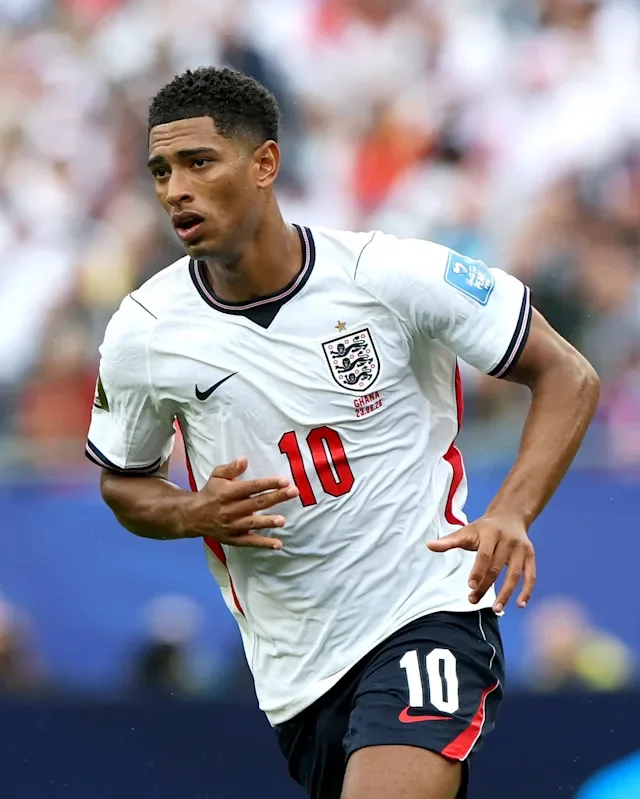
England has progressed, but culture changes more slowly than results. The creative bravery required will outlast any single World Cup campaign.
The "tippy tappy" dismissal may be heard less frequently now, but its logic, the suspicion of the technically intelligent, the elevation of the physically dominant, doesn't disappear overnight. It retreats. It waits. It resurfaces whenever pressure arrives and the temptation to go back to what is familiar becomes stronger than the commitment to what is better.
The real bravery, as I've argued in When Greatness Looks Like a Problem: What Clarence Seedorf's Words About Jude Bellingham Tell Us About Boys, Ambition and Mental Health, is in choosing to stay with the complexity, in boys and young men, in athletes, in the systems around them, rather than opting for the simpler, louder version of strength that everyone already recognises.
England's creative bravery will take more than a World Cup. But at least we are, slowly, learning to name what we were actually afraid of.
Kevin George is a BACP-registered Clinical Therapist, former professional footballer (West Ham United, Charlton Athletic), and author of Soccology (Amazon No.1 bestseller, British Library archived). He is Director and Lead Clinician at Soccology CIC. He works with Premier League clubs, SEND schools, alternative provisions, youth offending institutions, and adult prisons.
Explore more at kevingeorge.online
FAQ, Fear Masquerading as Bravery: What English Football Got Wrong
Q1: What does Kevin George mean when he says fear was "masqueraded as bravery" in English football?
Kevin George is describing a cultural coping mechanism. Inside the professional football system, fear, of failure, of vulnerability, of being exposed, was never named or processed. Instead, it was repackaged as something more acceptable: aggression, physicality, the willingness to put your body on the line. The bloodstained images of Terry Butcher and Paul Ince became shorthand for what toughness looked like, and that shorthand travelled all the way down to grassroots coaching. The fear didn't go away. It just changed its clothes.
Q2: Why were technically creative players disadvantaged in English football culture?
Because the culture was organised around a value system that rewarded physical dominance and penalised anything that looked uncertain or delicate. Technical players were tolerated only when they were exceptional, not merely good, but outstanding, because they were already operating against the grain of what was considered acceptable. If you didn't tackle, you were a "tippy tappy player." If you were small, you were too small. The burden of proof was higher for creative players, and the margin for error was narrower. They had to earn acceptance that other players received by default.
Q3: Why does Kevin George argue that the player with the ball is the braver one?
Because the cognitive and psychological load on the ball-carrier is significantly greater than on the player without the ball. The tackler has one task. The player in possession must simultaneously manage the ball, stay aware of opponents, coordinate their body, construct multiple options, rank those options, recalibrate in real time as the situation shifts across half-second intervals, and then select and execute a strategy, often adapting mid-execution if the first option closes. That level of decision-making under pressure, in a high-stakes environment, is what genuine bravery in football actually looks like. The tackle is the simpler act.
Q4: How does this connect to psychology and mental health beyond football?
The pattern Kevin George identifies in football, where a coping strategy stops serving us but instead of discarding it we remarket it as strength, is one that appears across human experience. In therapy, this is a familiar dynamic: the defensive behaviour that once protected us becomes the obstacle to our growth, but because it has been absorbed into our identity, challenging it feels threatening. English football's relationship with physical aggression is one version of this. The question George poses is whether we choose to grow out of the problem or continue to brand the problem as virtue.
Q5: What did Barcelona's tiki-taka style demonstrate about bravery and football culture?
It demonstrated that a team built around technical intelligence, positional awareness and the willingness to play through pressure, rather than away from it, could dominate at the highest level. Pep Guardiola's Barcelona, and specifically the triangle between Xavi Hernández, Sergio Busquets and Andrés Iniesta, showed that the courage to receive the ball under pressure, to keep it, to play through compact spaces, produced something physically dominant teams could not replicate. It replaced risk-aversion with what Kevin George calls risk-intelligence. The tackle was not the measure of the player. The touch was.
Q6: What was significant about Xavi Hernández's comment on English football crowds?
Xavi observed that in England, when a player wins the ball and boots it into the stands, the crowd applauds — there is a roar of approval. He noted this would not happen in Spain, where the culture demands that the ball be kept and used. The significance is not tactical. It is emotional. What a crowd applauds tells you what that culture believes success looks like. Xavi's observation revealed that at the level of the spectator, the bedrock of football culture, England was still rewarding the act of removing risk rather than the act of managing it creatively. That is a cultural position, not a strategic one.
Q7: Has English football changed, and how much further does it have to go?
It has changed, meaningfully but incompletely. There is greater investment in technical development, greater acceptance of possession-based philosophies, and, as Kevin George explores in his blog on England at the World Cup: What Tuchel's Three Lions Are Really Teaching Us About Mental Performance, genuine shifts in how identity, emotional regulation and collective belief are cultivated at the top level. But culture changes more slowly than results. It lives in Tuesday evening grassroots sessions, in which children coaches select, in the stories told about what courage means. A World Cup tournament does not rewrite those stories. It can accelerate the conversation, but the structural change takes generations.
Q8: How does this relate to Kevin George's broader work with boys and young men?
Directly. The same cultural logic that told a twelve-year-old he was "too small" or "tippy tappy" operates in classrooms, youth provisions, and communities where boys learn that emotional complexity is weakness and aggression is strength. Kevin George's programmes, including Keep The Dream Alive! (KTDA!) through Soccology CIC, use football as both an entry point and a mirror, helping boys and young men name what they are actually feeling rather than perform the version of toughness the culture demands. The connection between football's cultural psychology and boys' mental health is not metaphorical. It is direct, documented, and the foundation of his clinical and community work.