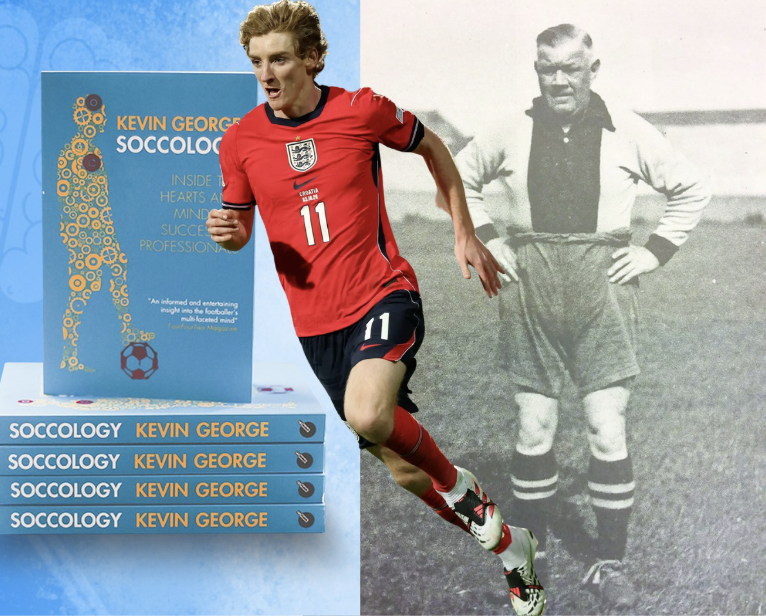
It's Not In Us: Anthony Gordon, Total Football and the Belief English Football Inherited
5 Oct 2026 · @Kevin George
Four words that say more than tactics
Anthony Gordon summed up England's relationship with the ball in four words: "It's not in us." Speaking before England faced world champions Spain in the Nations League, he said England could never control games the way the Spanish do (watch the interview).
Gordon speaks from a rare vantage point. Since his summer move from Newcastle United to Barcelona, he trains every day alongside the players who define that style. His conclusion was that England should stop trying to copy Spain and instead play to its strengths: physicality, direct football and the counterattack.
He was echoing Thomas Tuchel, who drew criticism after the World Cup semi final defeat to Argentina for saying possession was not in England's DNA. As a therapist and former professional footballer, I hear something deeper in both statements. "It's not in us" is not a tactical observation. It is a belief about identity, and beliefs about identity are learned long before they are spoken.
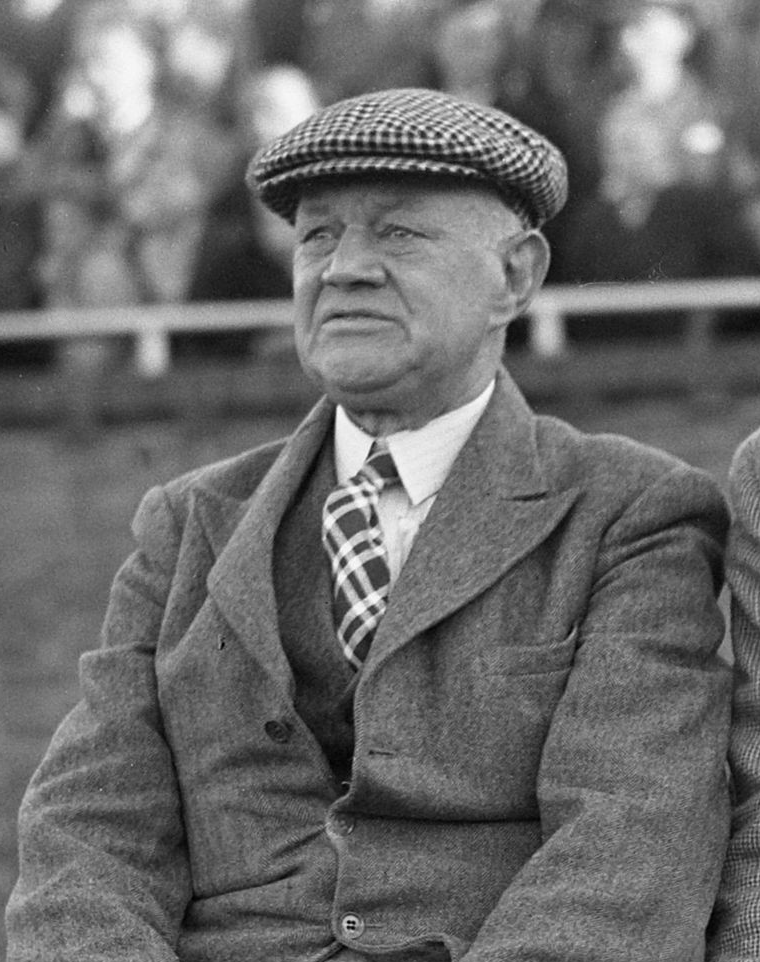
Ajax Coach John Jack Reynolds
The style England says it cannot play began in Manchester
The football Gordon now plays at Barcelona has English roots. In Soccology, I trace the lineage of Total Football back to John "Jack" Reynolds, a Mancunian winger who began his career at Manchester City in 1902 and made most of his appearances for New Brompton, now Gillingham.
Reynolds went on to manage Ajax across 24 years between 1915 and 1947. He wanted his teams to play with skill rather than physical power, and he built one style of training and play from the youth teams to the first team. Ajax had won nothing before him. Under him they won eight league titles.
Reynolds managed a young Rinus Michels, who later extended his ideas from manipulating the ball to manipulating space. Another Englishman, Vic Buckingham, coached Johan Cruyff in the Ajax youth and first teams. Cruyff carried the philosophy to Barcelona and handed it to Pep Guardiola, who in turn brought it to Manchester City, 115 years after Reynolds left the club as a player.
Think of it as a family recipe. An English grandfather wrote it down, took it abroad, and others refined it over a century. Now the grandchildren taste it and say, "We don't cook like that." The truth is that we once did. We simply stopped believing it belonged to us.
"Who do you think you are?"
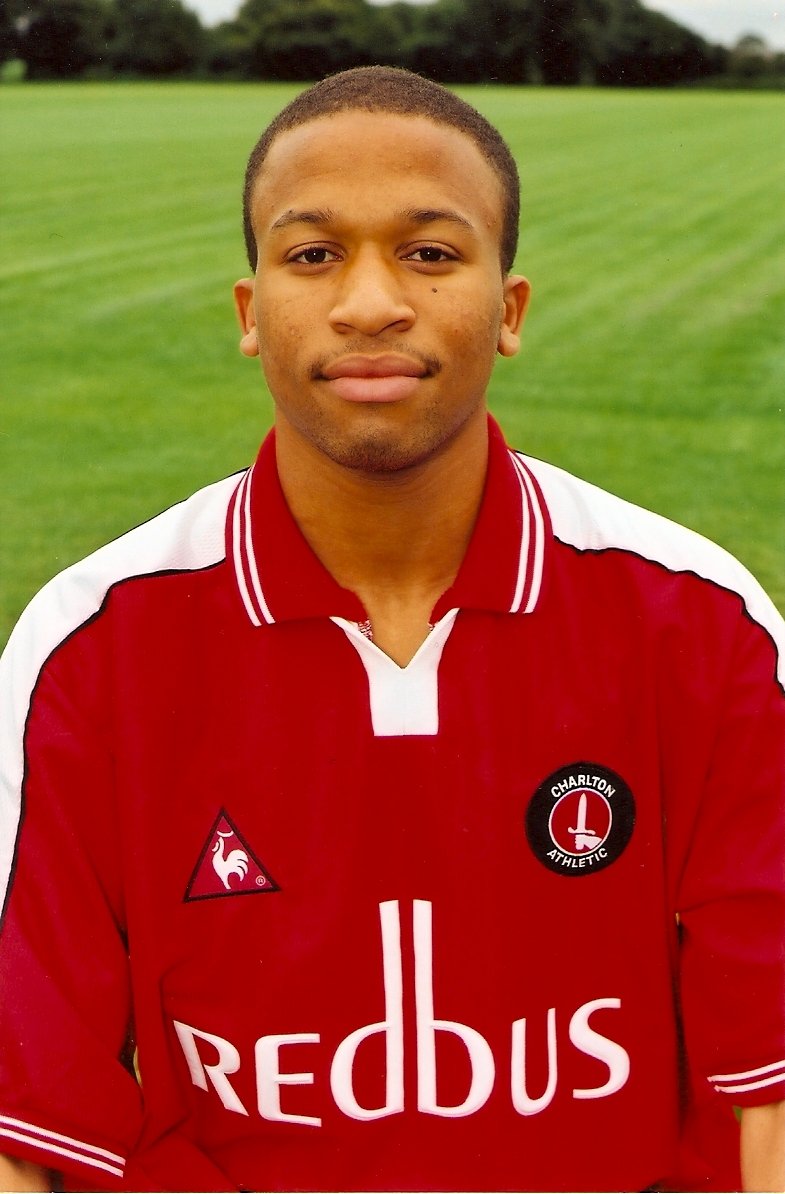
I grew up inside professional football at West Ham United and Charlton Athletic. I watched how creativity and technical skill were received on English training grounds, and too often they were met with ridicule rather than curiosity. West Ham embraced technique; Charlton, not so much; and in the lower leagues, hardly at all. However, two academies stood out to me for embracing a technical style: Crewe Alexandra and Ipswich Town.
A player would attempt a step over, a disguised pass or a moment of composure with a defender closing in. If it came off, it was tolerated. If it did not, the response was swift and public: "Who do you think you are, Zidane?" "Who do you think you are, Ronaldinho?" The name changed with the era. The message never did.
That question does far more than correct a decision. It tells a young player that technical ambition is arrogance, that flair belongs to foreigners and that safety is the same as humility. Shame is a powerful teacher. Repeat it often enough and a player stops needing the coach to say it, because he now says it to himself.
This is how "it's not in us" is made. Nobody is born believing it. It is installed one training session at a time, then passed down by the players who later become coaches. I explored how this shaped England's tournament football in The Culture of Fear in English Football.
Fighting with the heart alone
English football built its identity on heart. Graft, physical courage and refusing to give up are real strengths, and no one should be asked to apologise for them. The problem is not the heart. The problem is asking the heart to do the work of the mind and the feet as well.
Picture two boxers. One has enormous heart and throws every punch with full force, yet he is predictable and tires by the later rounds. The other has the same heart, but adds footwork, timing and ring intelligence. Both are brave. Only one controls the fight.
In Fear Masquerading as Bravery, I argued that English football rebranded fear as bravery, celebrating the bloodied tackler while overlooking the player who asks for the ball under pressure. That player carries the greater cognitive load. He has to scan, decide and execute while being hunted. Keeping the ball is not the opposite of courage. It is courage with a brain attached.
Spain do not lack fight. They fight with their heart, mind and technique together. That combination is not genetic. It is cultural, and cultures are taught.
What Gordon gets right, and where the belief misleads
Gordon is right that a culture cannot be copied and pasted. He said England has players just as good as Spain's with different qualities, and that the country should be proud of who it is rather than constantly comparing itself with others. That is a healthy instinct. Imitation without understanding rarely works.
Where the belief misleads is in turning a learned behaviour into a fixed trait. It works like an adult who says, "I'm just not a maths person." The sentence sounds like self knowledge. Usually it describes a classroom where mistakes were punished, not a brain that cannot count.
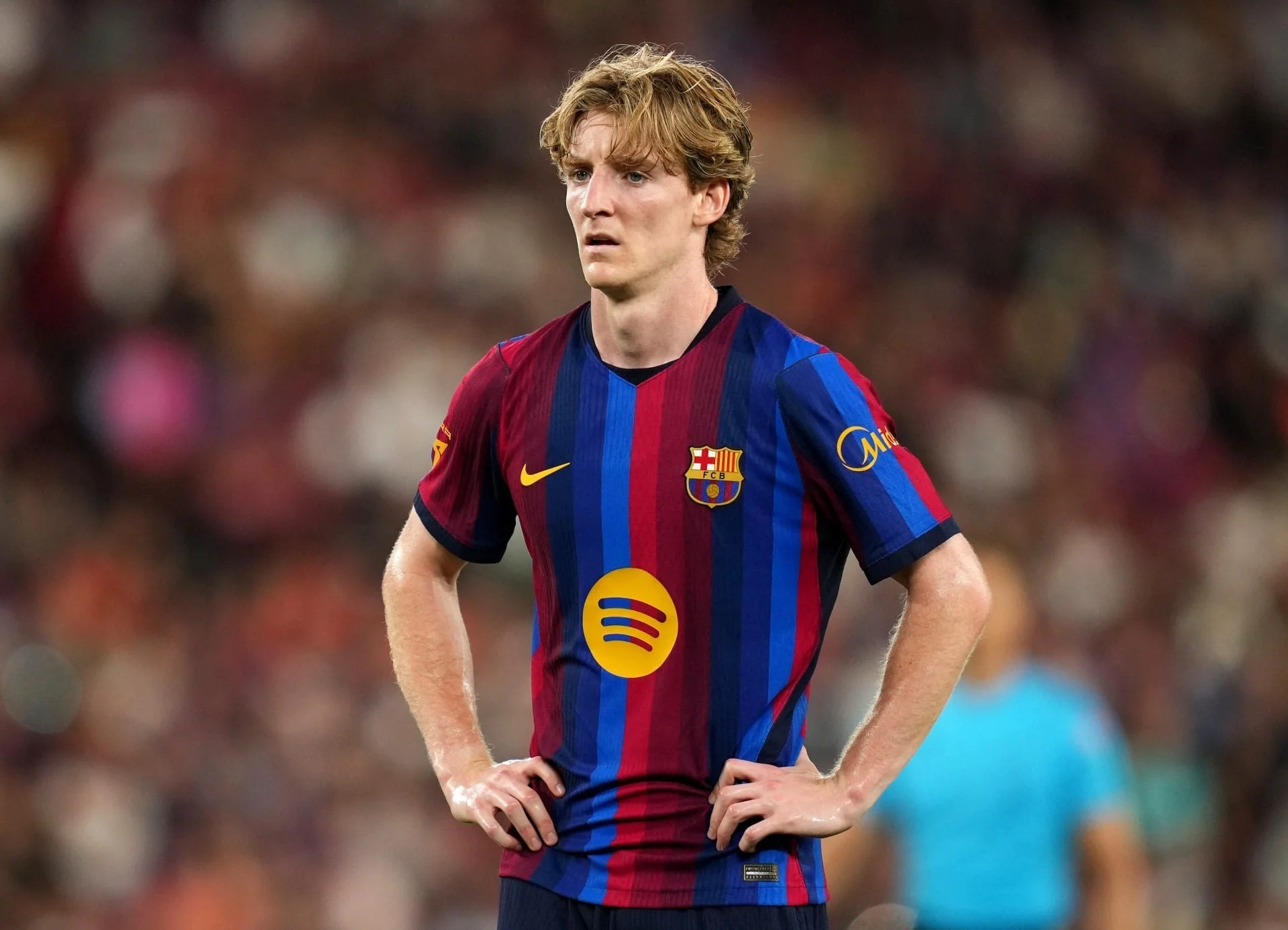
Anthony Gordon during a match for FC Barcelona
Gordon's own words reveal this. He said the difference was something he only fully realised after playing in Spain. In other words, a new environment changed what he could see. If environment can change perception in months, it can change technique over a generation.
The semi final itself showed the pattern. After taking the lead against Argentina, England became ultra defensive, Gordon was replaced by a defender, and Argentina took control of the final half hour. Retreating when ahead is not a tactical identity. It is what fear looks like when it puts on a football kit. When a coping strategy has served its need, we either grow out of it or remarket it as who we are out of comfort/fear of change. "It's not in us" is the remarketing.
The culture has changed. The residue has not.
English football is not the place I grew up in. Academies now coach technique, and England produces players such as Bukayo Saka, Jude Bellingham and Eberechi Eze who would have been labelled show offs in another era. Yet culture changes more slowly than coaching manuals. The old voice still sits inside players, coaches, supporters and jornalists, and it speaks loudest under pressure.

Bukayo Saka celebrating England goal
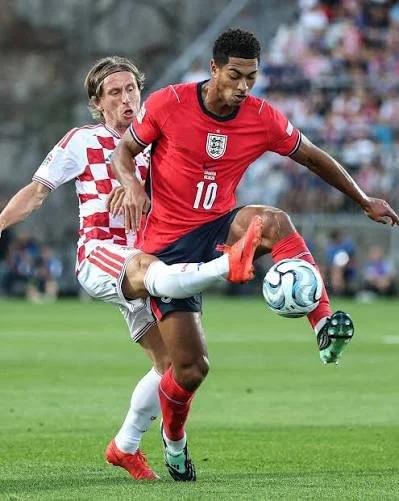
Jude Bellingham against Croatia, during Englands 0-7 victory.

Eberechi Eze during a game for England
Reynolds and his successors left a blueprint that coaches and parents can use today:
Work with mistakes. Jany Van Der Veen, who coached Cruyff as a boy, used what he learned from Reynolds: working with mistakes, being creative in practice and having fun. A failed skill is information, not insolence.
Change the question. Replace "Who do you think you are?" with "Show me that again." One shames the attempt. The other develops it.
Keep one philosophy. Reynolds trained the youth teams and first team the same way. Players should not be encouraged to express themselves at under 12s and then punished for it at under 18s.
Redefine bravery. Praise the player who wants the ball when they’re not having a good game, the team are losing and the stadium is anxious, not only the player who throws himself into a tackle.
The answer to Gordon is not that England must become Spain. It is that England must stop believing technique belongs to someone else. Our heart is not the problem. It just needs company.
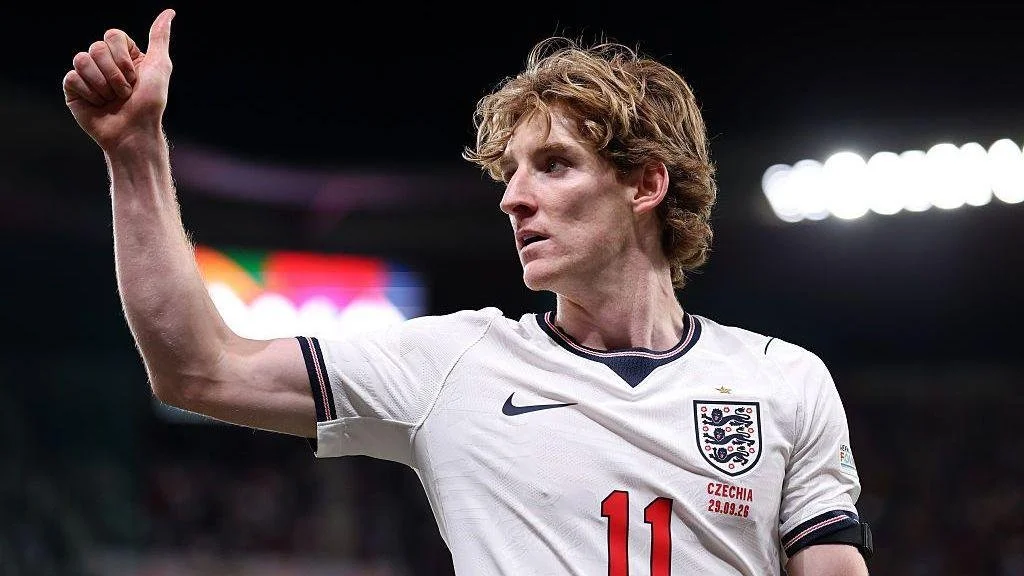
Anthony Gordon playing for England
Changing the culture from the inside
Beliefs like "it's not in us" are not changed by tactics boards alone. They change when players, staff and parents understand the emotional culture they are operating in. I work with clubs, academies and families across the Premier League and internationally, including Arsenal, Manchester United, Liverpool, Manchester City and Hull City, delivering mental health and performance support in football in the game's own language.
One to one support for players. Confidential sessions for professional, semi professional and academy players on performance pressure, confidence, injury, deselection and identity beyond the game.
Team and academy psychoeducation. Structured emotional intelligence and mental health programmes for squads and academies, aligned to the EPPP Foundation, Youth Development and Professional Development phases.
Staff training and consultancy. Training for coaches, education leads and welfare officers on recognising mental health concerns, safeguarding and building player care into everyday club culture.
Consultancy for football parents. Support for parents to respond to setbacks and non selection in ways that build resilience rather than shame, and to support identity beyond football.
If your club wants players who are brave enough to keep the ball, start with the environment that teaches them whether they are allowed to.
Find out more about mental health and performance in football.
Read the full story in Soccology
The full lineage from Jack Reynolds to Pep Guardiola, alongside the personal contributions from 45 professional footballers, is in my Amazon No.1 bestselling book Soccology: Inside the Hearts and Minds of the Professionals on the Pitch.
Frequently asked questions
What did Anthony Gordon say about England and Spain? Gordon said "it's not in us" when asked whether England could control games like Spain. He suggested England should play to its strengths of physicality, direct play and the counterattack rather than imitate the Spanish style.
Did Total Football really start with an Englishman? Its foundations trace back to Jack Reynolds, a Mancunian who played for Manchester City and managed Ajax between 1915 and 1947. He coached Rinus Michels, who developed Total Football and passed it to Johan Cruyff and, later, Pep Guardiola.
Why do English players struggle to keep possession under pressure? Kevin George argues it is cultural rather than innate. Generations of English players were shamed for technical ambition, which taught them to equate safety with humility and flair with arrogance.
What can coaches do to develop technically brave players? Treat mistakes as information, replace ridicule with curiosity, keep one coaching philosophy from youth to senior level, and praise players who want the ball under pressure as much as those who win tackles.
Who is Kevin George? Kevin George is a BACP registered therapist, Senior Family Therapist, former professional footballer with West Ham United and Charlton Athletic, and the Amazon No.1 bestselling author of Soccology. Book a consultation.