From academy life to constant travel and hotel isolation, professional football creates hidden mental health risks. Why clubs must support identity development and independent player care.
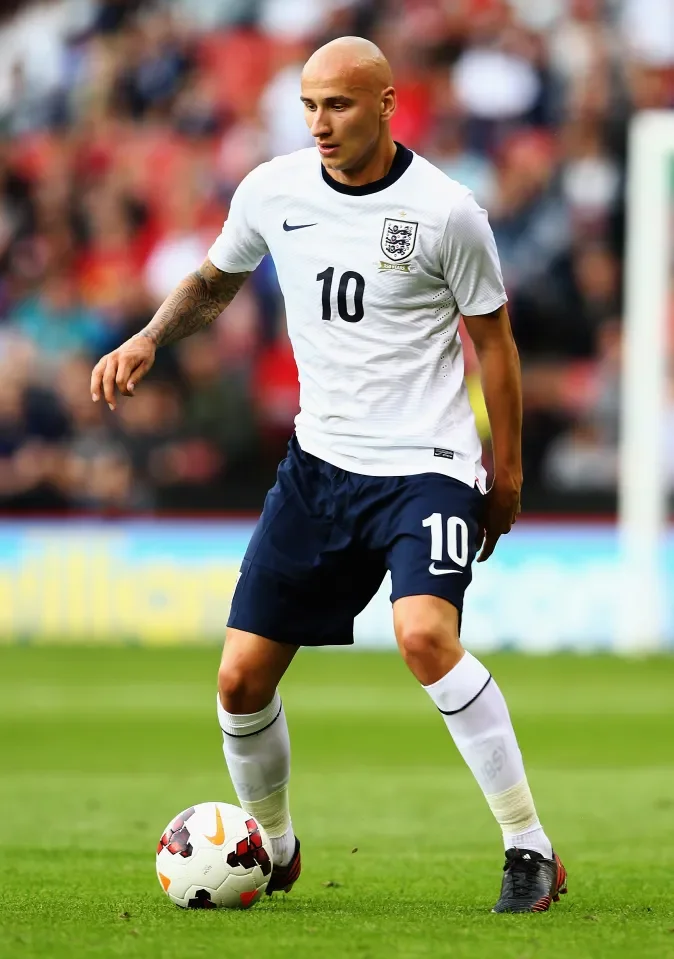
From academy life to constant travel and hotel isolation, professional football creates hidden mental health risks. Why clubs must support identity development and independent player care.
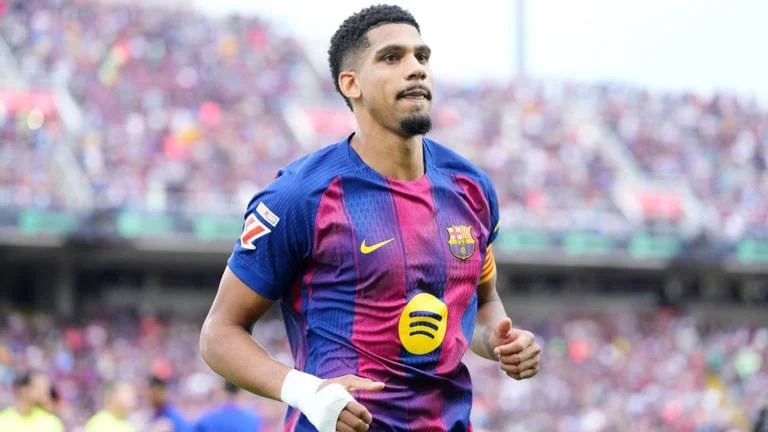
Ronald Araújo’s mental health break highlights the hidden pressures of elite football and why wellbeing, support systems, and self-leadership matter.
Keep the Dream Alive is a global mental health and wellbeing programme empowering individuals to build resilience, purpose, and emotional strength through education and support.
Mental health in football is no longer a hidden issue. From grassroots players to elite coaches, the pressure to perform, public scrutiny, injury, identity loss, and workplace stress can significantly impact mental wellbeing. As awareness grows, football is beginning to confront the emotional and psychological challenges faced by players, managers, and staff behind the scenes.
This article explores mental health awareness in football, highlighting how high-performance environments can mask distress, why stigma still prevents many from seeking help, and what recent high-profile cases reveal about the urgent need for better mental health support systems in the sport. It examines warning signs of burnout, emotional overload, and crisis, while emphasizing the importance of early intervention, safeguarding, and psychologically informed leadership.
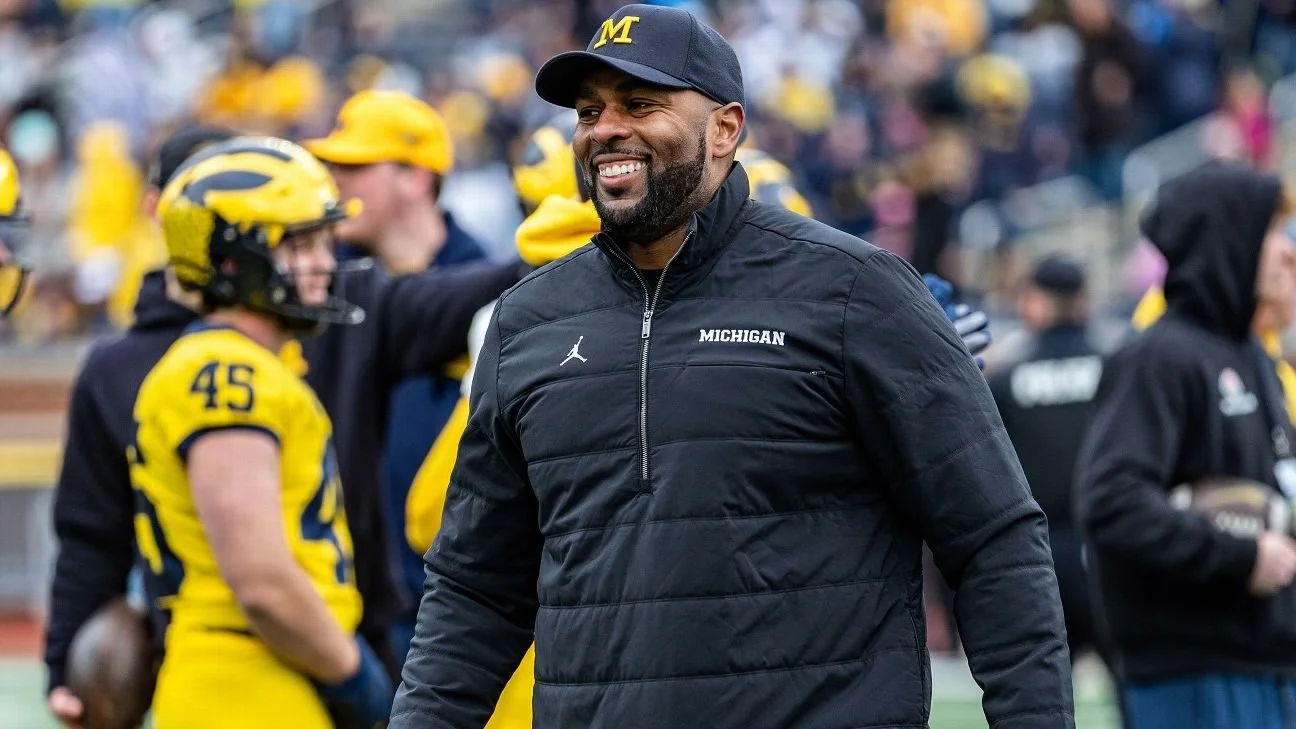
Sherrone Moore’s recent breakdown highlights the critical need for mental health awareness in football. Facing intense pressure, scrutiny, and personal stress, his situation underscores how high-performance environments can impact wellbeing and why early support, open conversations, and stigma-free mental health care are essential for players, coaches, and staff.
As the World Cup approaches, conversations around performance, pressure, and mental health in football are becoming impossible to ignore. From relentless media scrutiny to the psychological toll of representing a nation on the world’s biggest stage, elite players face challenges that extend far beyond the pitch.
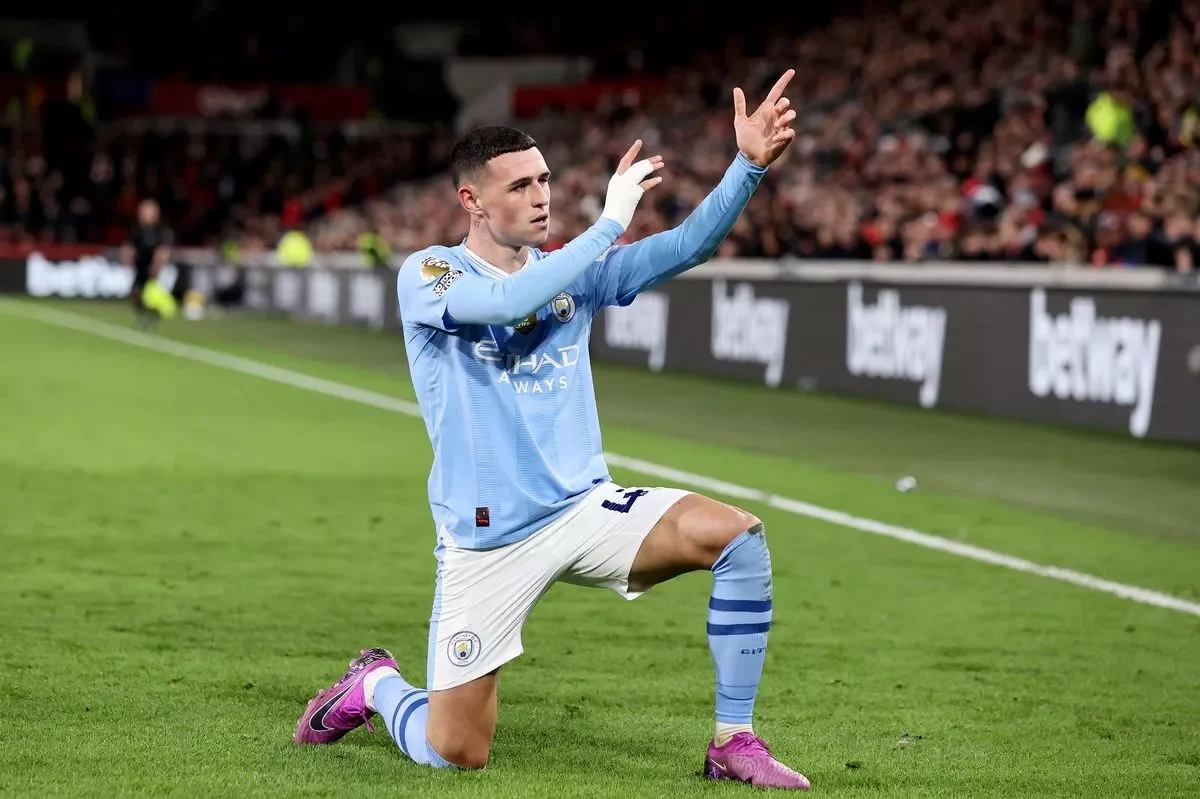
Using Phil Foden’s recent openness about his mental health struggles, this article explores how World Cup expectations impact footballers’ wellbeing, why mental resilience matters as much as physical fitness, and how clubs, managers, and fans can better support players during major international tournaments. Drawing on real-world examples from top-level football, this piece connects the global spectacle of the World Cup with the often-hidden emotional realities players carry into competition.
Whether you’re a fan, coach, parent, or professional interested in mental health in football, this article offers insight into how pressure affects performance — and why protecting mental health is essential for success on the world’s biggest stage.
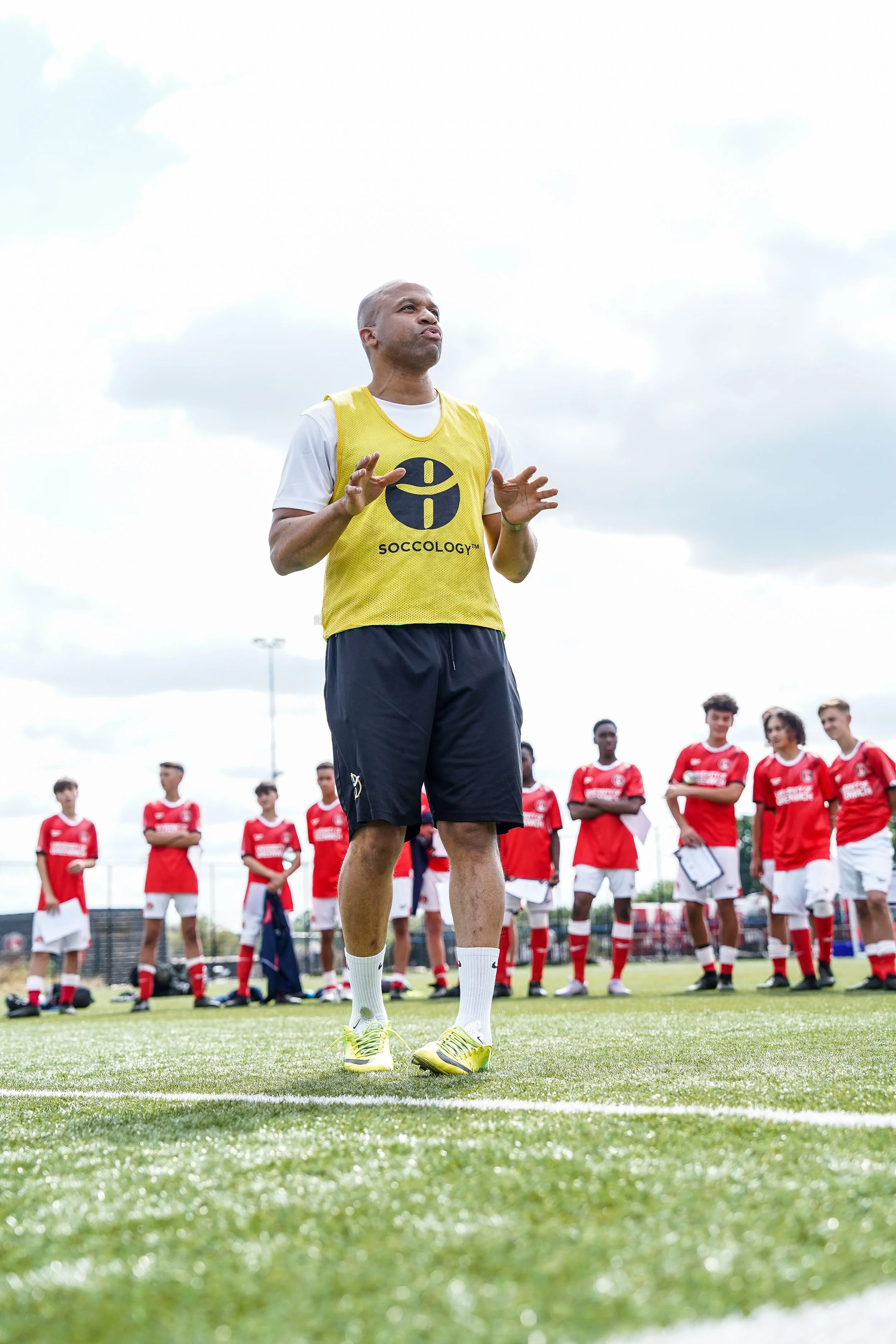
Who Cares for the Coaches? Rehanne Skinner’s Call for Change and What Needs to Happen NextRehanne Skinner’s BBC interview exposes the mental health toll of football management — especially in the women’s game. Kevin George explores practical solutions to protect and empower coaches, from mental health frameworks to fairer contracts and cultural change.
Understanding Anti-Social Boys: Mental Health, Gangs, and the Road to Resilience
In schools, youth centres, and communities across the UK, there is a group of boys whose behaviour often sets them apart. They are withdrawn, aggressive, or disruptive, sometimes clashing with authority and peers alike. Often labelled as “anti-social,” these young people are not inherently bad—they are children navigating a complex landscape of stress, trauma, and unmet emotional needs.
In the world’s most popular sport, the calendar never seems to stop. Players move from league matches to international duty, from summer tournaments straight back into pre-season. Add the expanding Club World Cup and endless commercial tours, and football has become a machine that rarely powers down.
Ravel Morrison is a talented English footballer who has played for several clubs in the English Premier League and beyond. Despite his obvious talent on the pitch, Morrison has faced many challenges in his personal life, including struggles with his mental health, specifically attention-deficit/hyperactivity disorder (ADHD).
NBA YoungBoy, also known as YoungBoy Never Broke Again, is a popular rapper and recording artist from Baton Rouge, Louisiana. Despite his success in the music industry, NBA YoungBoy has faced many challenges and obstacles in his personal life, including struggles with his mental health.
Jamal Musiala, a young German-English footballer who currently plays for Bayern Munich in the Bundesliga, has quickly made a name for himself in the world of football. Despite his young age, he has already demonstrated a level of maturity and professionalism that is rare for someone so young. A big part of this can be attributed to his mindset.
Jude Bellingham, a young English footballer who currently plays for Borussia Dortmund in the Bundesliga, is considered one of the brightest prospects in the world of football. Despite his young age, he has already made a big impact in the sport, and his success is a testament to his incredible mindset.
The Wu-Tang Clan is one of the most influential hip-hop groups of all time, having made a significant impact on the music industry and popular culture. The group is known for their intricate rhymes, complex lyrics, and hard-hitting beats, which have inspired countless musicians and fans around the world.
David Beckham is a retired English footballer who had a successful career playing for top clubs in England and Europe, as well as for the England national team. He is widely regarded as one of the most talented and charismatic players of his generation and is considered one of the greatest footballers of all time.
J Cole is a highly acclaimed rapper, producer, and songwriter who has made a significant impact on the hip-hop industry. He is known for his introspective lyrics and honest depictions of life experiences, including his struggles with mental health.
Bukayo Saka is a young and highly talented footballer who plays for Arsenal in the English Premier League. Despite his young age, Saka has already established himself as one of the best young players in the world and has been a key player for Arsenal in recent years. However, like many professional athletes, Saka has faced challenges related to his mental health and has spoken openly about his experiences.
Eminem, also known as Slim Shady, is widely considered to be one of the greatest rappers of all time. Throughout his career, he has tackled a wide range of controversial and personal topics, including his struggles with addiction, family problems, and mental health. Eminem has been open about his experiences with depression and anxiety, and his music has had a profound impact on his fans and the hip-hop community.
Ansu Fati is a young and highly talented football player who has made a big impact in the world of football. He currently plays for Barcelona in La Liga and has been one of the standout players in Spanish football in recent years. However, despite his impressive performances on the pitch, Fati has faced a number of challenges when it comes to his mental health.
The Geto Boys' "Mind Playing Tricks on Me" is a classic hip-hop song that explores the themes of paranoia, mental health, and the struggle for survival in the inner-city. The song was released in 1991 as the lead single from the group's third studio album, "We Can't Be Stopped," and has since become a landmark in the history of hip-hop music.
Kylian Mbappe is one of the most talented and promising young footballers in the world today. The French striker, who currently plays for Paris Saint-Germain in Ligue 1, has been a standout player since he burst onto the scene as a teenager. However, despite his incredible success on the pitch, Mbappe has been open about his struggles with mental health.