
What Was Said? Why Henry and Kompany’s Approach Matters More Than the Noise
In the aftermath of the alleged incident between Gianluca Prestianni and Vinícius Júnior, the football world fractured into outrage, defence, counter-attack and distraction. But amid the noise, two voices cut through with clarity, Thierry Henry and Vincent Kompany.
And perhaps their approaches tell us more about what football, and wider society, needs right now than the incident itself.
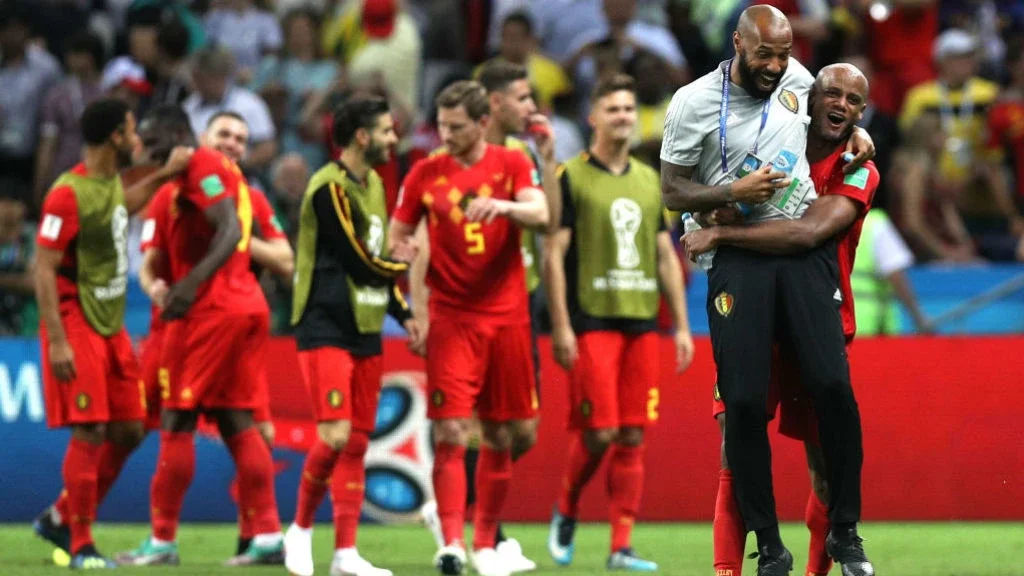
Thierry Henry: Strip It Back — What Was Said?
Henry’s intervention was striking not because it was loud, but because it was disciplined. Drawing from his own lived experience of racism, he refused to be dragged into peripheral debates, not the celebration, not the personalities, not the theatre. Instead, he kept returning to a single question:
What was said?
That question matters. In moments like this, emotion surges. Media cycles accelerate. Narratives are built in real time. But if the allegation is racism, then the centre of gravity must remain the alleged words.
Henry also questioned the mechanisms in place to address such incidents. Not performative outrage. Not social media trials. But structural process. His approach models something powerful:
Focus on the action.
Demand clarity.
Insist on systems that investigate properly.
That discipline is not detachment. It is maturity.
When conversations about racism spiral into distraction, celebrations, personality clashes, historical associations, accountability becomes blurred. Henry’s insistence on substance over spectacle prevents that drift.
In wider society, this is critical. If we lose focus on the specific behaviour that needs examining, we risk turning serious issues into cultural theatre.
Vincent Kompany: Firm, But Human
Kompany added something equally necessary. Referencing his own experiences and those of players like Mario Balotelli and Samuel Eto'o, he acknowledged the painful history racism carries in football.
He was clear in his critique of José Mourinho’s comments. He suggested they were misplaced. But he stopped short of condemnation. And that distinction matters.
Kompany articulated something society struggles with:
You can believe someone is wrong without declaring them irredeemable.
In a time when public discourse often leans toward cancellation, Kompany modelled proportionality. Consequences, yes. Accountability, yes. But not dehumanisation. This balance serves moments like this far better than moral absolutism.
Why This Approach Serves Football — and Society
There are two dangers in incidents involving alleged racism:
Distraction: shifting the focus away from the alleged act.
Dehumanisation: reducing individuals to villains beyond redemption.
Henry protects us from the first. Kompany protects us from the second.
Together, their approaches offer a framework:
Identify the behaviour.
Investigate with rigour.
Hold accountable if necessary.
Avoid performative outrage.
Preserve human dignity while delivering consequences.
This is not softness. It is strength. Because if racism did occur, clarity and evidence are what make accountability legitimate. And if it did not, disciplined investigation protects integrity.
What neither football nor society needs is hysteria masquerading as justice.
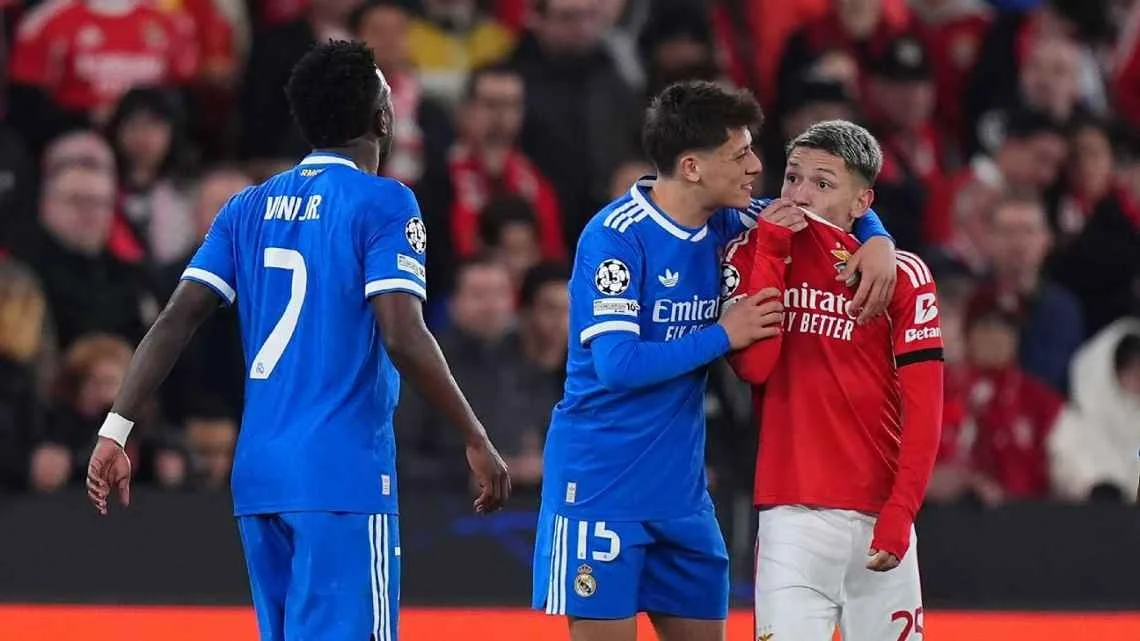
Bigger Than One Incident
This moment is about more than Prestianni or Vinícius Jr. It is about whether institutions respond with process rather than posture. Whether media prioritises facts over friction. Whether individuals can criticise behaviour without annihilating character.
Henry’s question — What was said? — anchors the debate in truth.
Kompany’s diplomacy anchors it in humanity.
If football can adopt both, it sends a message beyond the pitch:
We can confront racism seriously without becoming reckless.
We can demand accountability without losing compassion.
We can be firm without being feral.
In a polarised world, that example may be the most important victory of all.
KG
Kevin George
Kevin George is a psychotherapist, former professional footballer, and Amazon No.1 bestselling author of Soccology: Inside the Hearts and Minds of Successful Professionals. He specialises in men's mental health, athlete psychology, and trauma-informed practice, and is the founder of Soccology CIC. He is based in London and writes at kevingeorge.online.