Toy Story 5, Screen Time & The Hidden Crisis in Child Development
What Pixar’s latest trailer reveals about attention, self-regulation, and growing up in a digital world
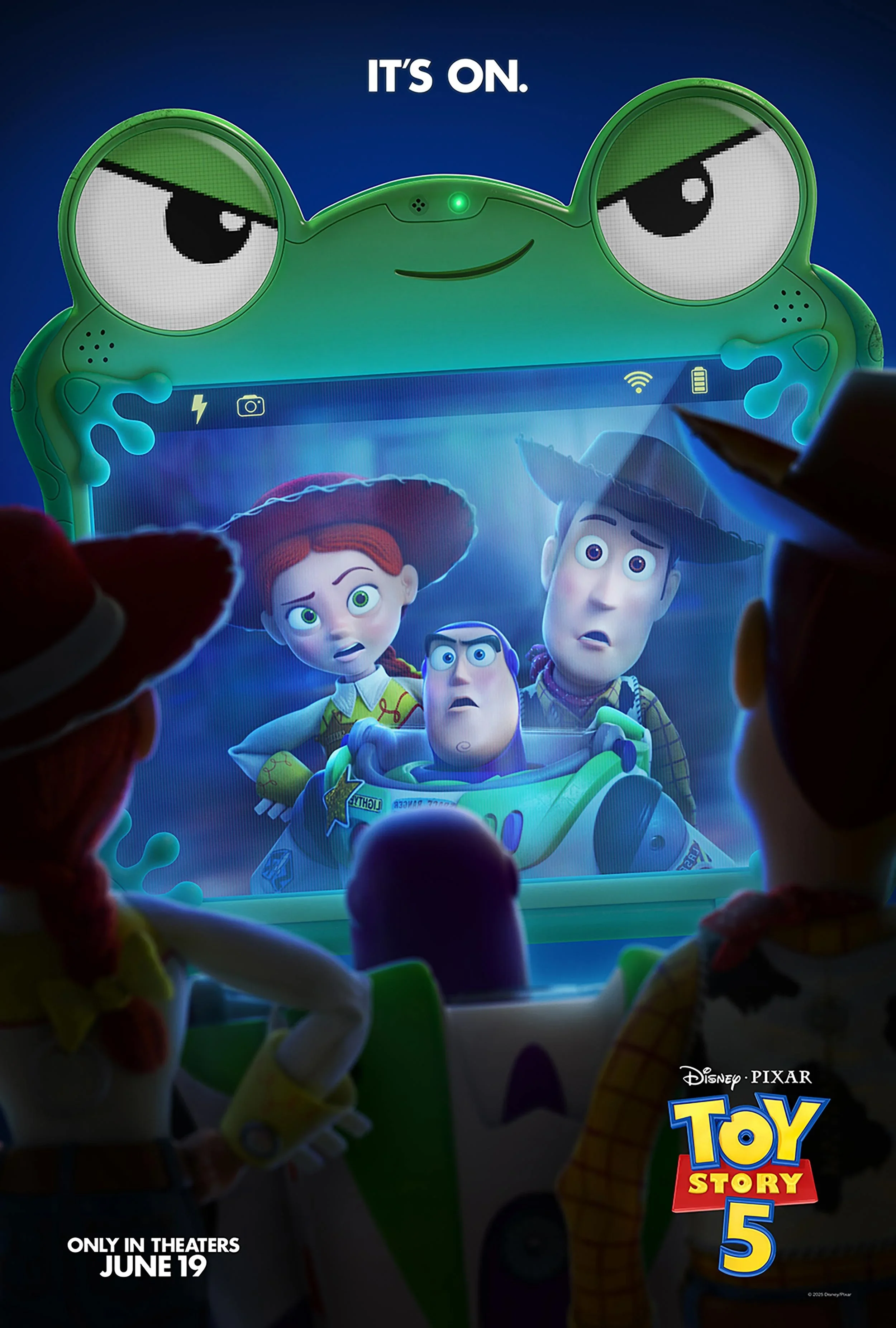
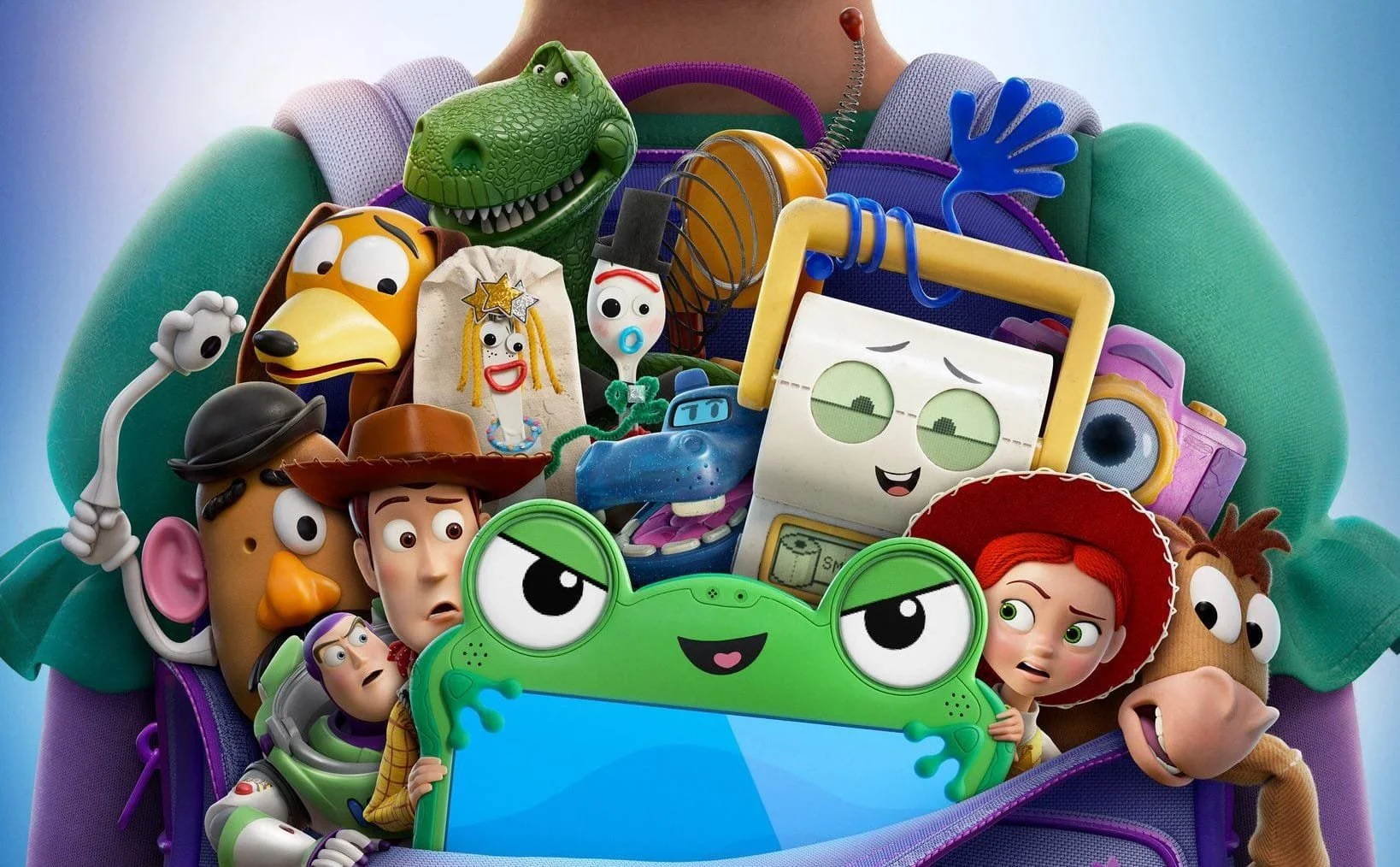
The new trailer for Toy Story 5 shows Woody, Buzz Lightyear, Jessie, and the gang struggling to compete for Bonnie’s attention against a shiny new tablet. At first, it’s funny. But look closer, Pixar is highlighting a real issue: screens are starting to replace traditional play, and this can affect how children learn to focus and manage their emotions.
Research shows that excessive screen use is linked to attention difficulties and weaker self-regulation in children and the Toy Story 5 trailer reflects that perfectly.
Screens Are Everywhere, But At What Cost?
Digital devices are everywhere in children’s lives: tablets, phones, gaming consoles, and streaming platforms. Screens can be educational and fun, but research shows that too much can have downsides.
Attention Problems
Studies show that high screen time can affect a child’s attention. For example, Tamana et al. (2019) found that children who spent more time on screens at age 3 showed more ADHD-like behaviors at age 5.
Similarly, a 2023 review confirmed that excessive screen time is consistently linked to attention problems in children (Eirich et al., 2023).
Simply put: screens are fast, exciting, and instantly rewarding, but that can make it harder for children to focus on slower, more challenging tasks.
Self-Regulation & Executive Function
Self-regulation, the ability to manage impulses, emotions, and attention, develops through real-world play. Things like role-playing, taking turns, and problem-solving are essential.
Research indicates that excessive screen exposure can reduce these opportunities. Madigan et al. (2019) showed that higher screen time was linked to poorer performance on developmental screenings later in childhood.
In short, screens can replace opportunities for kids to practice paying attention, managing frustration, and solving problems, all critical skills for life.
Why Toy Story 5 Hits Home
The toys in Toy Story 5 aren’t battling a villain, they’re battling a tablet. Woody’s line, “Toys are for play, but tech is for everything,” captures the problem perfectly.
Traditional toys encourage imagination, social interaction, and problem-solving. Screens often deliver stories and rewards instantly. When screens dominate, children miss out on experiences that help their brains develop attention and self-regulation skills.
Emerging neuroscience supports this. Hutton et al. (2022) found that higher screen exposure was linked to differences in brain networks that support executive function and language, though shared parent-child reading could protect development.
Screens Aren’t the Villain, Balance Is Key
Technology isn’t bad. Screens can be educational, fun, and social. The issue is replacing play, social interaction, and boredom with screens.
Healthy development still requires:
Face-to-face play and interaction
Imaginative, unstructured play
Time to be bored (yes, boredom fuels creativity!)
Opportunities to manage emotions and focus without instant rewards
Why This Matters
We are raising children in a digitally immersive world. Toy Story 5 reflects a real cultural challenge: screens are fun and compelling, but they can compete with the types of play that build focus, self-regulation, and emotional skills.
If we want children who can pay attention, regulate their emotions, solve problems, and connect with others, we need to protect playtime and interactive learning.
Practical Tips for Parents & Educators
Set daily device-free play time
Prioritize interactive or co-viewed screen time over passive use
Avoid using screens to calm or distract children
Encourage boredom and creativity
Model intentional, balanced screen use yourself
Balance is the goal, not total elimination. Intentionality matters more than restriction.
Final Thought
Toy Story 5 may be a sequel.
Childhood is not.
If we want children who can focus, regulate emotion, tolerate frustration, and build meaningful relationships, we must protect the environments that develop those capacities.
Because unlike Woody and Buzz…
There is no reboot for early brain development.
KG
Kevin George
Kevin George is a psychotherapist, former professional footballer, and Amazon No.1 bestselling author of Soccology: Inside the Hearts and Minds of Successful Professionals. He specialises in men's mental health, athlete psychology, and trauma-informed practice, and is the founder of Soccology CIC. He is based in London and writes at kevingeorge.online.