Nativity, the Fool and the Saviour
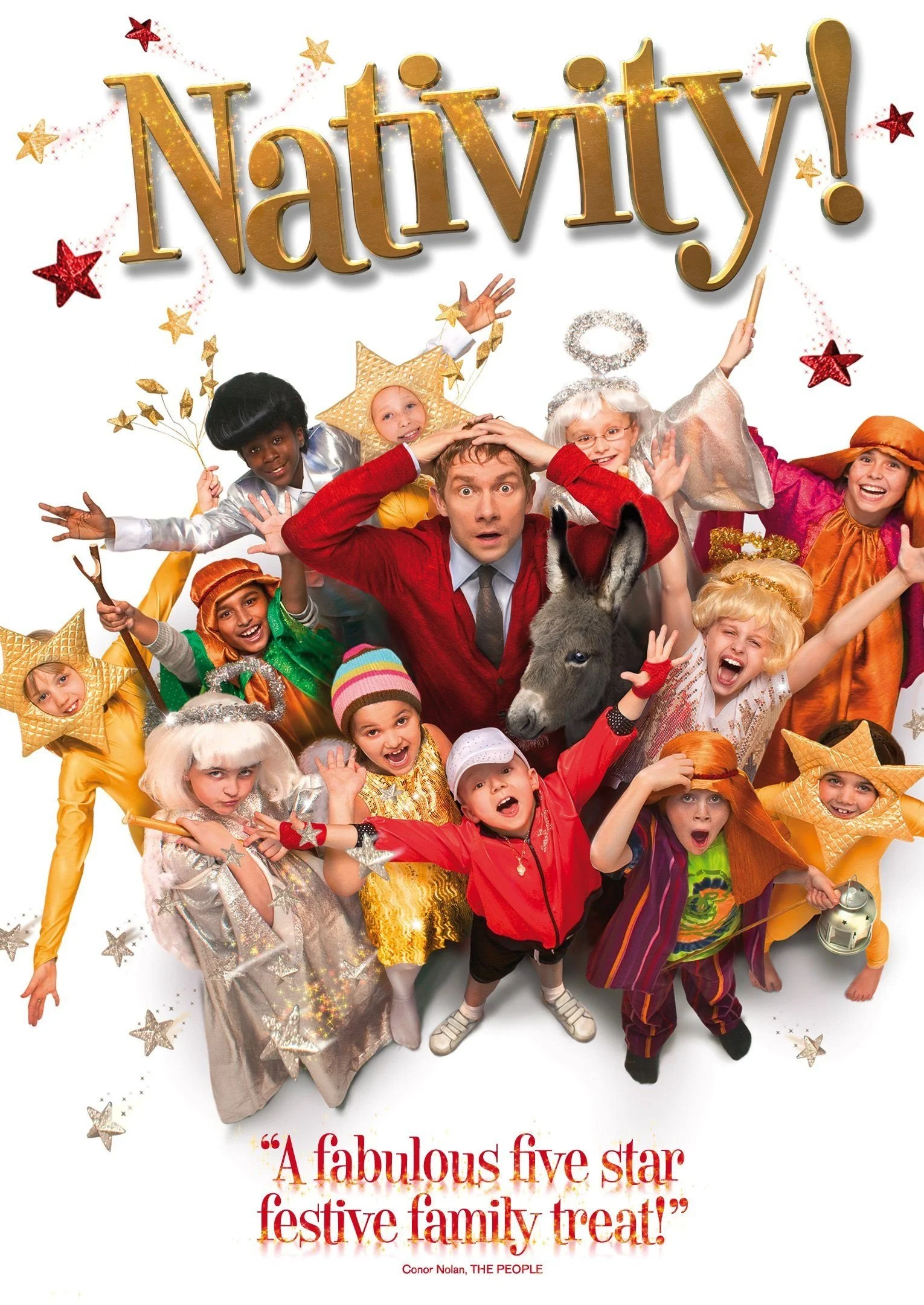
I have just watched Nativity! on Netflix, and I recommend it as a watch with your children this Christmas.
On the surface it is a warm, funny film about a primary school teacher, a chaotic teaching assistant and a class of children putting on a nativity play. Underneath, it is one of the clearest stories I have seen about what happens when we lose touch with parts of ourselves, and how we get them back.
The fool is the precursor to the saviour
One of my favourite ideas from Carl Jung is often quoted as "The fool is the precursor to the saviour." In his writing on the trickster figure, Jung describes the trickster as "a forerunner of the saviour".
To me, it means this: to become good at anything, we must first take a step. That first step is always a vulnerable one. We don't know what we are doing, we are likely to get it wrong and we are almost certain to look foolish.
Think of a toddler learning to walk. Every wobble and fall looks clumsy, but no child has ever learned to walk without first looking foolish. The fall is not the opposite of walking. It is the beginning of it.
Adults forget this. We start to protect ourselves from looking foolish, and in doing so we protect ourselves from growth.
Mr Maddens: experience without openness
Mr Maddens' story is plagued with failure. He once dreamed of a career in musical theatre and gave it up after bad reviews. The woman he loved, Jennifer, ended their relationship at Christmas, and he has hated Christmas ever since.
He has performed, and taught performance, for years. Yet in many ways he is not very experienced, because of his approach. He is closed to novelty. Everything must be controlled, predictable and safe from embarrassment.
This is a pattern I see often. Time served is not the same as experience gained. Ten years of doing the same thing in the same guarded way can be one year of experience repeated ten times.
Mr Poppy: the fool who wedges every door open
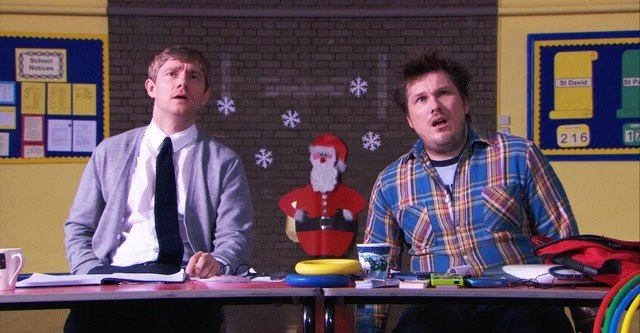
Then in steps Mr Poppy, a chaotic, childlike teaching assistant and the complete opposite of Mr Maddens. Every door Mr Maddens tries to close, Mr Poppy wedges open.
Throughout the film, every one of those openings unlocks the children's potential. The class is far less polished than the rival private school's, but Mr Poppy sees what each child can uniquely do, and the show is built around their unusual talents rather than in spite of them.
The openings unlock Mr Maddens too. Bit by bit, Mr Poppy helps him reach parts of himself he had shut away: his playful, creative side, exiled when he decided he was a failure, and his warm side, closed off after losing the love of his life.
The fool within
Notice what Mr Maddens calls Mr Poppy. Several times, in quick succession at the beginning of the film and again before its climax, he calls him a "fool".
This brings us back to Jung. The fool is the precursor to the saviour, and that journey happens within each of us as individuals. My reading is that Mr Poppy is Mr Maddens' fool, externalised. He is a loose fragment of Mr Maddens himself: the playful, hopeful, unembarrassed part that was split off when life hurt him.
Without that part, Mr Maddens isolates himself, hates Christmas and appears to have lost his inner child. In Internal Family Systems language, that part has been exiled, and the parts left in charge are the ones whose job is to protect him from ever feeling foolish or heartbroken again.
When he calls Mr Poppy a fool, he is rejecting the very part of himself he most needs.
Reintegration
As the film progresses, the relationship between the two men grows. I see this as the reintegration of the fragmented part.
The turning point comes after Mr Maddens' lie about a Hollywood producer falls apart, the play is cancelled and he turns on Mr Poppy. Then he sees his disappointed class, apologises to Mr Poppy and decides the show will go on. In that moment he stops fighting the fool and lets it back in.
What follows is healing. He becomes more playful. He rekindles his relationship with Jennifer. And he lays down a major emotional burden around performance, failure and Christmas itself, ending the film decorating his house for the holiday he once hated.
The saviour did not arrive in spite of the fool. He arrived because of him.
What to take from it as a family
Watch it with your children, then talk about it. A few questions to ask them, and yourself:
When did you last try something new and feel silly doing it?
Which character are you more like: Mr Maddens or Mr Poppy?
What would you try if nobody could laugh at you?
For parents, the lesson is close to the one I explored in The Parenting Chokehold. Children need the freedom to look foolish, because that is where confidence, creativity and resilience begin. When we rush to protect them from embarrassment, we can also protect them from growth.
And for the adults who recognise Mr Maddens in themselves: your playful part has not gone. It may simply be waiting for you to stop calling it a fool.
About Kevin George
Kevin George is a BACP registered therapist, Senior Family Therapist and former professional footballer with West Ham United and Charlton Athletic. For over 20 years he has worked within education across state schools, SEND schools and alternative provision, and has delivered projects in adult prisons and young offender institutions. He supports families through private and community mental health programmes, his private practice in Beckenham and London Victoria, with sessions also available online. He is the Amazon No.1 bestselling author of Soccology and founder of Soccology CIC.
Work with Kevin
Therapy for individuals, couples and families. Kevin offers therapy face to face in Beckenham and London Victoria, and online across the UK, plus a check in subscription for consistent support between sessions. If you have lost touch with a part of yourself, or want to help your child find theirs, this is a good place to start. Explore therapy services
Support for schools. Kevin helps schools build environments where children feel safe to try, fail and grow, with clinical support for pupils, staff and parents. Explore school services
FAQ Frequently asked questions
Is Nativity! a good film to watch with children? Yes. Nativity! (2009), starring Martin Freeman and Marc Wootton, is a family friendly Christmas comedy about a primary school putting on a nativity play, with themes of creativity, failure and second chances.
What does "the fool is the precursor to the saviour" mean? The line, often attributed to Carl Jung, reflects his idea that the trickster is a forerunner of the saviour. Growth starts with a vulnerable first step where we risk looking foolish.
What is the inner child? The inner child describes the playful, curious and emotional parts of us formed in childhood. Painful experiences can lead us to shut these parts away.
What does Mr Poppy represent in Nativity!? Kevin George reads Mr Poppy as an externalised part of Mr Maddens: the playful, unembarrassed self he lost after failure and heartbreak, which he reintegrates by the end of the film.
How can I help my child be less afraid of looking silly? Model trying new things yourself, praise effort over polish, laugh with them rather than at them and give them safe spaces to perform, create and fail.