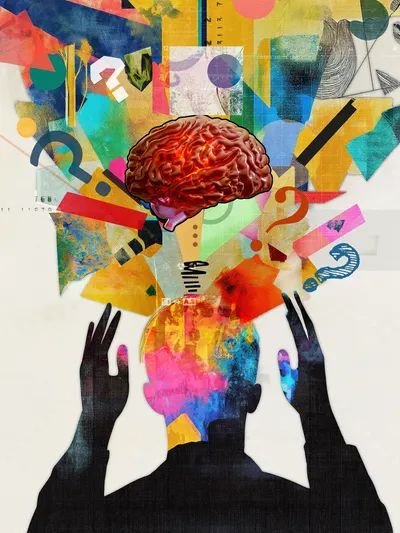
Emotional Literacy: The Key to Personal Growth and Mental Wellbeing
We talk a lot about mental health, but far less about a skill that plays a role in many mental health problems: emotional literacy.
Emotional literacy is not about “controlling” emotions or staying positive. It is the ability to recognise, understand, name, tolerate, and respond to emotional experiences, in ourselves and in others. Research consistently shows that people with stronger emotional literacy experience better mental health outcomes, healthier relationships, and greater resilience under stress.
Yet many adults were never taught these skills.
Why Emotional Literacy Matters
Psychological research highlights that emotional awareness is closely linked to:
Reduced anxiety and depressive symptoms
Improved emotional regulation
Stronger interpersonal relationships
Greater resilience during adversity
When emotions remain unnamed or misunderstood, they are often expressed indirectly, through anger, withdrawal, burnout, addictive behaviours, or physical symptoms. Emotional literacy gives people a language for their internal world, allowing emotion to be processed rather than acted out.
Emotional Suppression Isn’t Strength
Many people learn early that certain emotions are unacceptable. Boys may learn that sadness is weakness. Girls may learn that anger is dangerous. High-performing professionals often learn that emotion is an inconvenience.
Research on emotional suppression shows the opposite of what many expect: suppressing emotion increases physiological stress and reduces psychological flexibility. In contrast, naming emotions activates brain regions linked to regulation and problem-solving, allowing people to respond rather than react.
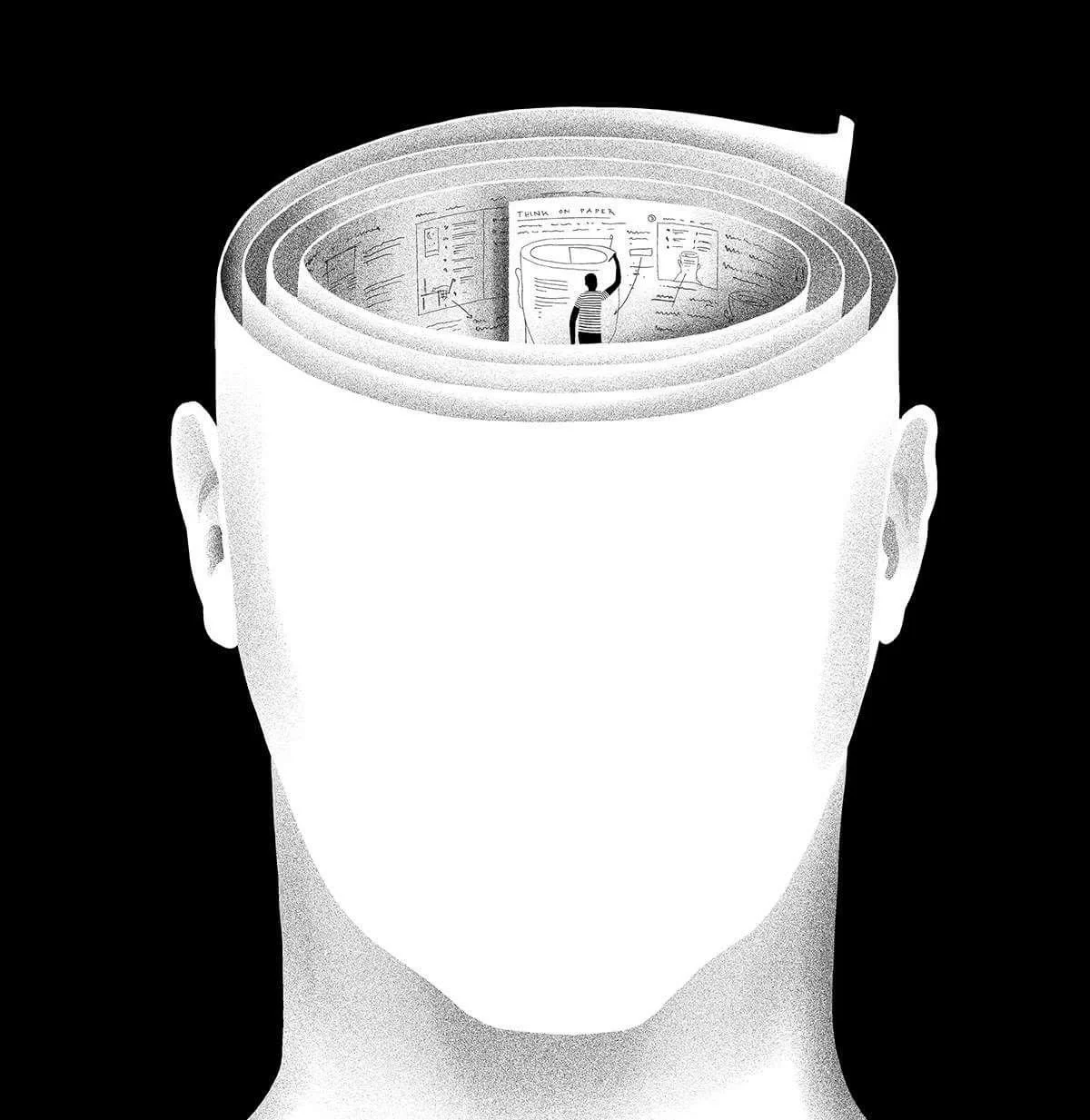
Emotional Literacy in Therapy and Coaching
In my work with individuals, families, athletes, and leaders, emotional literacy is foundational. Therapy is not about endlessly analysing the past, it is about learning how emotional systems operate in real time.
Clients often discover that what they believed was “overreacting” was actually unrecognised fear, grief, shame, or unmet needs. Once emotions are understood, behaviour changes naturally follow.
This work is evidence-based, but deeply human.
A Skill You Can Learn at Any Stage of Life
Emotional literacy is not fixed. The brain remains plastic throughout adulthood, meaning new emotional skills can be learned at any age. With the right support, people can:
Increase emotional tolerance
Improve communication
Break long-standing relational patterns
Reduce internal conflict and self-criticism
Growth does not come from ignoring emotion, it comes from understanding it.
Call to Action
If you want to build emotional clarity, resilience, and deeper self-understanding, book a consultation to explore therapy or coaching tailored to your needs.
KG
Kevin George
Kevin George is a psychotherapist, former professional footballer, and Amazon No.1 bestselling author of Soccology: Inside the Hearts and Minds of Successful Professionals. He specialises in men's mental health, athlete psychology, and trauma-informed practice, and is the founder of Soccology CIC. He is based in London and writes at kevingeorge.online.