
What the 2026 Winter Olympics Can Teach Leaders About Performance Under Pressure
As anticipation builds for the 2026 Winter Olympics, global attention is once again turning to one question: how do elite performers deliver under extreme pressure, scrutiny, and expectation?
While the world watches athletes prepare for Milan–Cortina, the most transferable lessons won’t come from physical conditioning alone. They’ll come from performance psychology, the invisible systems that allow individuals and teams to execute when the stakes are highest.
This is not just a sporting conversation. It’s a leadership one.
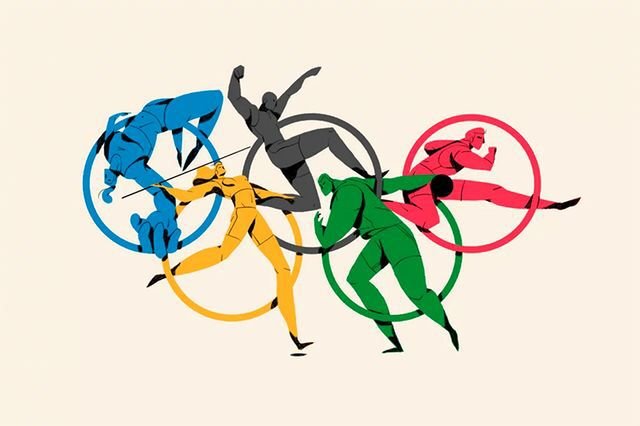
From the Olympics to the Boardroom
High-performance environments share more similarities than differences. Whether it’s an Olympic final, a merger deadline, or a senior leadership presentation, the demands are strikingly familiar:
Sustained pressure over long periods
Public accountability and scrutiny
Split-second decision-making
Emotional regulation under stress
The need to perform on demand, not just when conditions are ideal
During my work around the Paris Olympics, including collaboration with former Arsenal and France international Gaël Clichy (you can read about it here), one truth stood out repeatedly: performance breaks down not because people lack skill, but because systems fail to support the psychological load.
This insight is as relevant to corporates as it is to elite sport.
Performance Is Not Motivation — It’s Regulation
One of the most misunderstood ideas in professional development is that high performance is about motivation. Olympic environments tell a different story.
Athletes don’t rely on hype. They rely on regulation:
Nervous system control
Cognitive flexibility under stress
Clear role identity
Recovery as a performance strategy
The same applies to senior leaders and high-responsibility professionals. Burnout, poor decision-making, conflict escalation, and disengagement are not failures of character, they are signs of unmanaged psychological demand.
The Winter Olympics spotlight this reality. Athletes who can regulate fear, expectation, and fatigue outperform those who cannot, even when talent levels are similar.
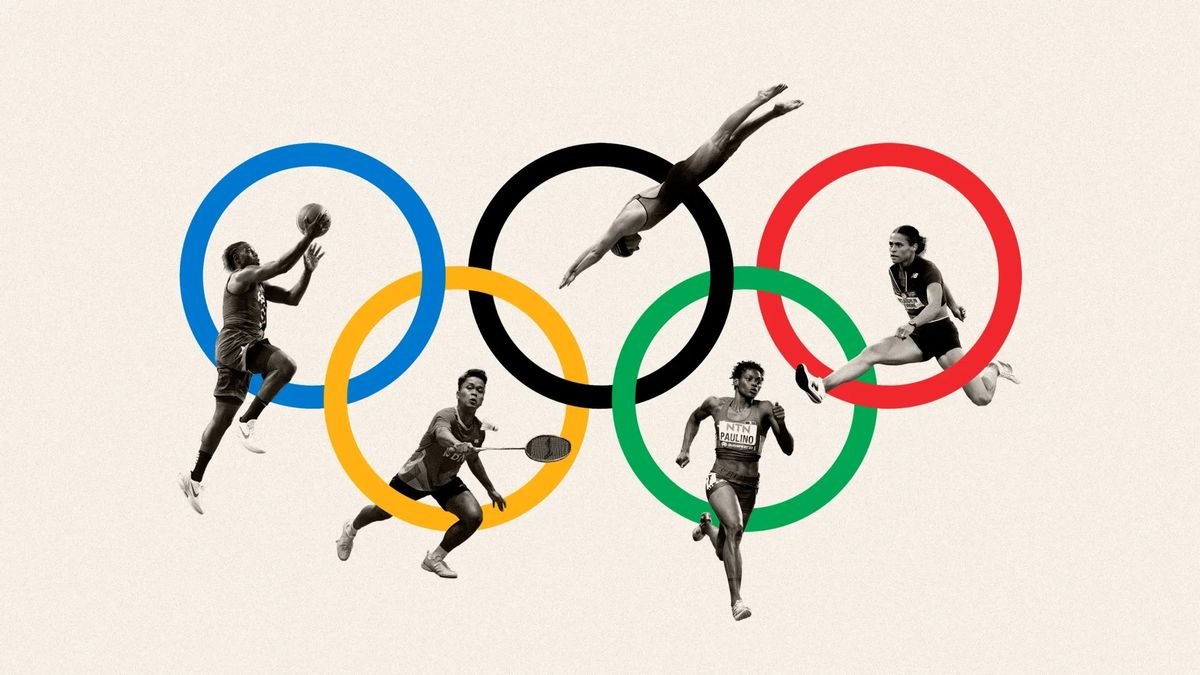
Pressure Reveals Systems, Not Strength
By the time an Olympian reaches the Games, raw ability is assumed. What differentiates outcomes is the quality of the environment around them.
In organisations, pressure does the same thing. It doesn’t create weakness, it exposes it.
Unclear leadership structures
Inconsistent communication
Cultures that reward output but ignore recovery
Performance models that rely on resilience rather than design
Performance psychology shifts the focus from “coping” to engineering conditions for success.
This is where sport has been ahead of business for years.
Why the Olympics Matter to Corporate Learning Now
The reason the 2026 Winter Olympics are resonating beyond sport is timing. Organisations are operating in prolonged uncertainty: economic pressure, workforce fatigue, rapid change, and reputational risk.
Traditional professional development, skills training without psychological infrastructure, is no longer enough.
Olympic programmes invest heavily in:
Psychological safety without lowering standards
Data-informed reflection rather than blame
Proactive mental conditioning, not crisis response
These principles are now shaping the most effective leadership and performance programmes in corporate settings.

From Elite Sport to Sustainable Performance
The work I’ve delivered alongside elite sport environments, including Olympic-level programmes, has consistently translated into the corporate space because the problem is universal: people are being asked to perform at elite levels without elite support systems.
The Winter Olympics remind us that excellence is not accidental. It is built deliberately, psychologically, culturally, and structurally.
For organisations serious about performance, the lesson is clear:
Stop asking people to be more resilient
Start designing environments that make performance sustainable
Because pressure isn’t going anywhere.