Courage Over Comfort: What Harry Kane’s Ballon d’Or Teaches Us About Safe and Brave Decisions
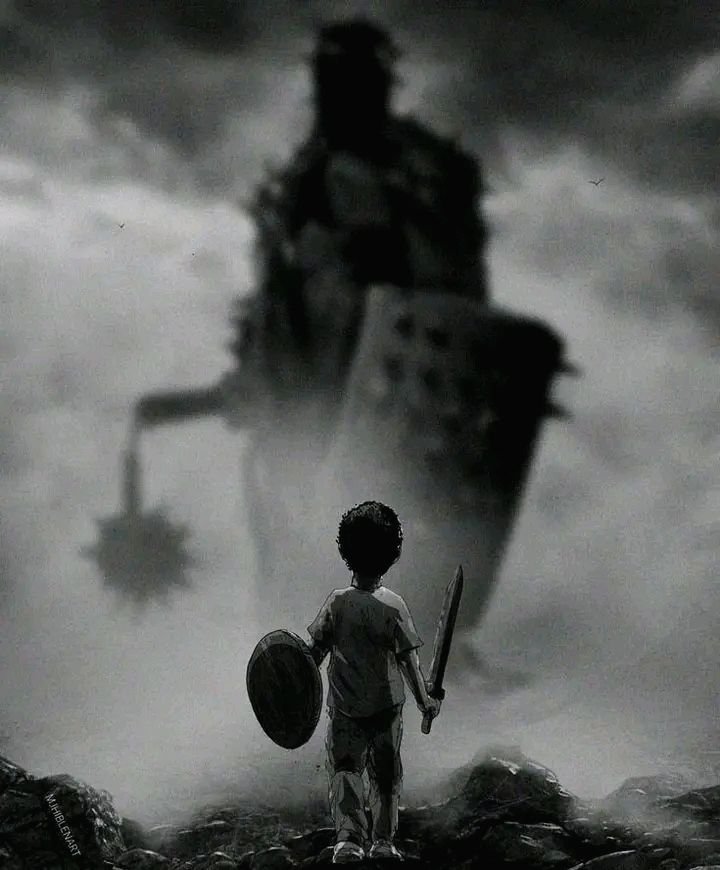
Courage is a consistent element of achieving the remarkable.
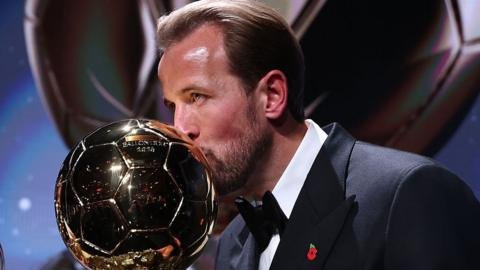
Last night, Harry Kane became the first English winner of the Ballon d’Or in 25 years after being honoured at a ceremony in London, where he held off stiff competition from Lamine Yamal and Kylian Mbappé. It is the highest individual honour in world football, and it caps a season in which the England captain hit 73 goals for club and country.
What fascinates me is not where Kane’s journey ended up. It is where it nearly didn’t begin.
The decision that started it all
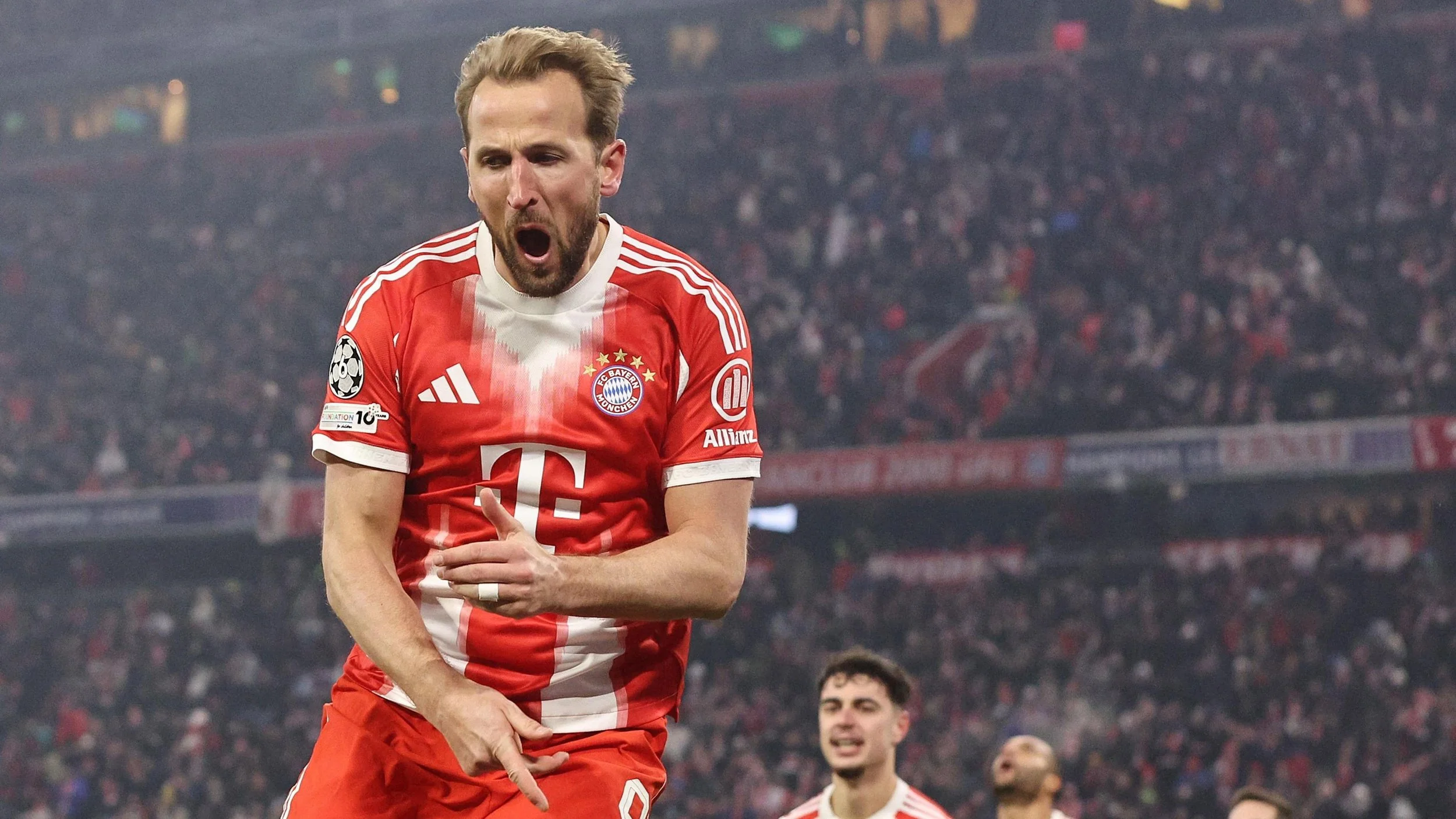
Before he was a world beater, Kane was a young striker who had loans at Orient, Millwall, Norwich and Leicester, with doubts over whether he would progress to Premier League level. Tottenham had just bought Roberto Soldado for a club record fee of around £26 million.
When manager Tim Sherwood decided to start the young Kane, he was effectively called in to account for it. Sherwood later described how chairman Daniel Levy sat him down in the office and asked for the team for the next day. When Sherwood reached Kane’s name, Levy immediately asked: “not Roberto Soldado or Adebayor?” Sherwood noted that Levy had never asked him for the team before.
Sherwood also recalled that when he first put Kane in the team, Soldado was on the bench, and if Kane hadn’t scored within 30 minutes the fans would be singing for Soldado to come on.
Why the safe choice is so tempting
It would have been easy for Sherwood to select Soldado. If the £26 million striker failed, the failure would have been shared. The club bought him. The fans wanted him. Nobody could blame the manager for picking the expensive option.
Selecting Kane increased accountability. If the young academy player failed, the failure belonged to Sherwood alone.
There is an old saying in the business world: nobody ever got fired for buying IBM. It means that choosing the big, established, expensive option protects you, even if it is not the best option. Soldado was the IBM choice. Kane was the brave one.
Psychologists have a name for this. Researcher Gerd Gigerenzer describes defensive decision making: choosing the option that protects the decision maker rather than the option that is best for the people or the outcome they are responsible for. Doctors order unnecessary tests. Managers hire the safe candidate. Parents step in to remove discomfort. The decision looks responsible. It often causes more harm.
Safe decisions and brave decisions
Every day, in training grounds, offices, therapy rooms, boardrooms and homes, we are required to make decisions. Broadly, they fall into two categories.
Safe decisions do not attract attention, pressure or scrutiny. They protect the decision maker. Over time, they can cause more harm.
Brave decisions attract attention, pressure and scrutiny. They expose the decision maker. They also create the conditions for greater success, health and safety.
Think of it like a goalkeeper facing a penalty. Staying rooted to the spot feels safe because nobody remembers a keeper who did nothing. But the keeper who commits, reads the taker and dives with conviction is the one who makes the save that changes the match. Commitment exposes you. It is also the only way to win.
Where this shows up in everyday life
On the training ground. A coach picks the senior player out of loyalty or reputation instead of the young player who is ready. The squad stagnates and talent leaves.
In the office. A leader avoids a difficult conversation with an underperforming team member. The problem becomes the culture.
In the therapy room. A therapist keeps sessions comfortable rather than gently challenging a client’s pattern. The client feels supported but does not change.
In the boardroom. A board chooses the strategy nobody can criticise rather than the one the organisation needs. The company becomes forgettable.
At home. A parent rescues a child from every disappointment or avoids setting a boundary because of the conflict it will bring. Protecting a child from controlled stress protects the parent’s comfort while stunting the child’s growth.
In every one of these settings, the safe decision is safe for the decision maker. It is rarely safe for the person on the receiving end.
The cost of courage
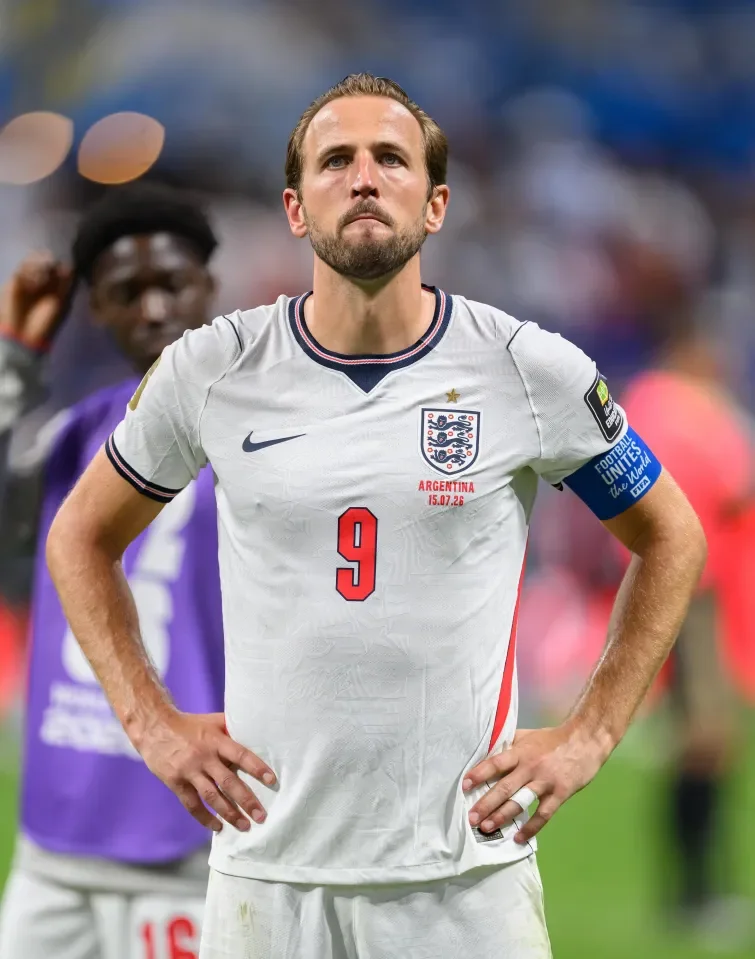
Courage is not free. Sherwood did not last long at Tottenham. He was appointed in December 2013 and was gone by the end of that season. But his decision outlived his tenure by over a decade, and last night it reached the very top of world football.
That is the nature of brave decisions. The cost is often immediate and personal. The reward is often delayed and shared.
How to make braver decisions
Ask who the decision protects. If the honest answer is “me”, pause.
Separate discomfort from danger. Scrutiny feels threatening, but feeling exposed is not the same as being at risk.
Explain your reasoning before you act. Sherwood had to justify Kane. Sharing the why in advance builds trust and reduces resistance.
Measure success over the right timeframe. Brave decisions are judged on outcomes months and years later, not on the noise of the first 30 minutes.
Notice where your fear comes from. Our reluctance to be scrutinised is often connected to our own history. Understanding that history frees us to choose differently.
Key takeaways
Harry Kane’s 2026 Ballon d’Or began with a manager choosing a young academy striker over a £26 million signing. Safe decisions protect the decision maker; brave decisions protect the outcome. Defensive decision making happens in sport, business, healthcare, therapy and parenting. Courage carries a personal cost, but its rewards last far longer.
About Kevin George
Kevin George is a BACP registered psychotherapist, Senior Family Therapist and former professional footballer with West Ham United and Charlton Athletic. For over 20 years he has worked within education across state schools, SEND schools and alternative provision, and has delivered projects in adult prisons and young offender institutions. He supports families through private and community mental health programmes and runs Cerebro 1:1, his private practice in Beckenham and London Victoria, with sessions also available online. He is the Amazon No.1 bestselling author of Soccology and founder of Soccology CIC.
Work with Kevin
Therapy for individuals, couples and families. Kevin offers therapy face to face in Beckenham and London Victoria, and online across the UK, along with a check in subscription for consistent support between sessions. If fear of scrutiny is holding you back at work, at home or in your relationships, this is where change starts.
Explore therapy services
Support for schools. Kevin helps schools build cultures where staff and leaders can make brave, child centred decisions, with clinical support for pupils, staff and parents.
Explore school services
FAQ Frequently asked questions
Who won the 2026 Ballon d’Or?
Harry Kane won the 2026 Ballon d’Or at the London Palladium, becoming the first English winner since Michael Owen in 2001.
How did Harry Kane break into the Tottenham team?
Tim Sherwood gave Kane his chance as Tottenham manager in 2014, selecting him ahead of record signing Roberto Soldado despite being questioned by chairman Daniel Levy.
What is defensive decision making?
Defensive decision making is choosing the option that protects the decision maker from blame rather than the option that produces the best outcome. It is common in medicine, business, sport, education and parenting.
Why do people avoid brave decisions?
Brave decisions bring attention, pressure and scrutiny. Fear of blame, shame and exposure, often rooted in our personal history, pushes us towards the safe option.
How can I become more courageous in my decisions?
Ask who the decision protects, separate discomfort from danger, explain your reasoning in advance and judge decisions over the long term. Therapy can help you understand where your fear of scrutiny comes from.
What does football teach us about mental health and leadership?
Football shows in public what happens privately in every organisation and family: pressure, accountability, fear and courage. Kane’s story shows how one brave decision can shape a lifetime.