Even Gangsters Tried the Moonwalk: Reaching Vulnerable Boys Through Sport, Art and Mentorship
There are boys who learn very early that the world is not safe.
They grow up in environments where vulnerability is dangerous. Where showing fear, sadness, or confusion might invite ridicule, punishment, or violence. So they build a shell.
Sometimes that shell looks like silence. Sometimes it looks like aggression. Sometimes it looks like a hoodie pulled tight, eyes avoiding contact, body language that says: stay back.
Professionals often describe these young people as “hard to reach.” But the truth is something else. They are rarely hard to reach. They are hard to reach using the wrong tools.
Boys who have been beaten up by life often develop protective identities. The emotional armour might present as antisocial behaviour, non-verbal resistance, or deliberate distance. These behaviours are not simply defiance. They are survival strategies.
Yet the same boys who seem unreachable in a classroom or therapy room often open up somewhere else.
Sometimes through sport. Sometimes through the arts. These spaces allow emotional exposure through a medium, whether as a fan or through a player persona, through creation, or by connecting with the emotion in a song.
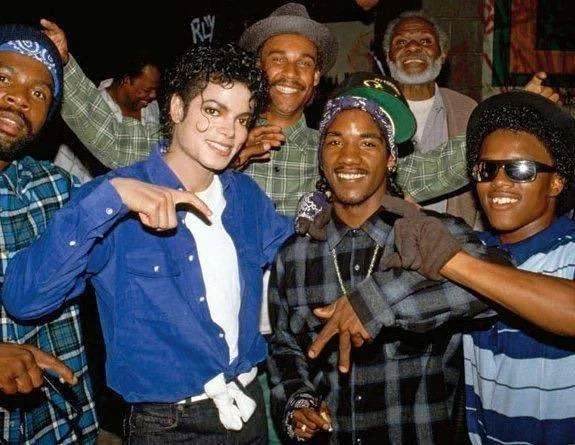
Michael Jackson on the set of his 1983 "Beat It" music video, alongside members of the LA gang the Crips. The Crenshaw Mafia Bloods also appeared in the video.
The Moonwalk Moment
Growing up, I knew boys who were considered “street guys.” Sagging jeans. Hoods up. Ski masks and caps.They carried themselves with the posture of people who expected confrontation. But there were moments when the mask slipped.
When a Michael Jackson song came on, those same boys would suddenly pull up their trouser legs and rise onto their toes to complete the toe stand, before gliding backwards across the pavement in an attempt to execute the moonwalk. Others would compete to see who could do the move better, while some watched on in envy. For a moment, the hardness disappeared. There was laughter. Competition. Joy.
Even gangsters tried the moonwalk.
That moment reveals something important. The boys were never unreachable. They simply needed a medium that made vulnerability safe.
Football: A Language Boys Understand
Football is one of those mediums. On a football pitch boys are allowed to experience a full range of human emotion:
joy when they score
frustration when they miss
grief when they lose
pride when they improve
And they can express those emotions without feeling exposed.
Research supports this observation. Studies show that structured sports environments can significantly support social and emotional development among socially vulnerable youth, improving confidence, emotional regulation, teamwork, and resilience.
Participation in sport has also been linked to improved self-esteem, social connection, and reductions in depressive symptoms among young people. In other words, football does something powerful:
It creates a relational environment where emotional development happens naturally. Not through theory alone. Through organic experience.
The Arts: Another Door Into the Soul
Sport and the arts provide a doorway. Music, dance, writing, and visual art allow young people to process emotions they may not yet have the language to explain.
Artistic participation can help young people recognise and express difficult emotions, while also strengthening resilience and psychological wellbeing.
For many young people navigating adversity, the arts provide something essential: A way to express without confessing. They can tell their story indirectly. Through rhythm. Through lyrics. Through movement.
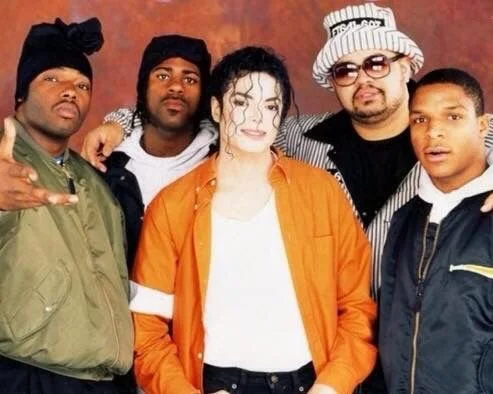
Michael Jackson on the set of his 1992 hit song "Jam", Heavy D and Naughty By Nature.
The Problem With Theory-Only Approaches
This is where many professional systems go wrong. Theory is important, research matters, evidence frameworks matter but theory alone cannot reach a guarded heart.
Too often interventions are designed as if theory itself is the intervention. It is not. Theory is the foundation. The intervention must be human, relational, and experiential.
Put simply:
The arms of theory and research are often too short to reach the boy inside the armour. To reach him, something else is required:
relationship
shared struggle
meaningful activity
Hollywood Has Been Showing Us This For Years
Interestingly, this pattern is obvious in storytelling. Many powerful films follow the same narrative structure:
Parent Figure + Vulnerable Youth + Activity Struggle = Transformation
We see it repeatedly in cinema. A mentor appears. A struggle begins. An activity becomes the vehicle for growth.
For example:
Coach Carter – A strict basketball coach pushes troubled students toward discipline, education, and self-belief.
The Blind Side – A homeless teenager’s life transforms through family support and football.
Million Dollar Baby – A hardened boxing trainer becomes a parental figure to a determined fighter.
The Karate Kid – A bullied boy finds identity and confidence through martial arts mentorship.
The Way Back – A broken coach and struggling players rebuild themselves through basketball.
McFarland, USA – A coach helps disadvantaged youth transform through cross-country running.
The same theme appears in arts and education:
Mr. Holland's Opus – A teacher shapes generations through music.
School of Rock – Music becomes a channel for confidence and identity.
Freedom Writers – Writing helps traumatised students find voice and dignity.
Finding Forrester – A reclusive writer mentors a gifted but disadvantaged young man.
And in intellectual or moral struggles:
Dead Poets Society – A teacher inspires students to find their authentic voice.
Stand and Deliver – A maths teacher proves that disadvantaged students can achieve excellence.
Lean on Me – A tough principal restores hope and discipline in a failing school.
These stories resonate because they reflect a deep truth. Transformation rarely happens through instruction or therapy alone.
It happens by meeting people where they are and using a tool that acts as an indirect intervention, reducing the intensity of the process.
The Real Lesson
The boys we call “hard to reach” are often just hard to reach through traditional systems. But give them:
a football
a music beat
a paintbrush
a skillful mentor who refuses to give up on them
And something remarkable can happen. The armour cracks, the real person emerges and the boy who looked unreachable suddenly becomes the boy laughing while trying to moonwalk on the pavement.
And in that moment we are reminded of something simple but profound: Under the hood, under the bravado, under the survival strategies…There is still a child.
Over the last 20 years, I have worked in schools, alternative provisions, youth offender institutions, and professional football academies. I see children moonwalk less now; however, I see them rap, perform activities on TikTok to connect with others and build a following, and play football while trying to replicate the skills of their heroes. These are different ways of meeting our innate human needs for self-expression, connection, and play.
Even gangsters tried the moonwalk.
KG
Kevin George
Kevin George is a psychotherapist, former professional footballer, and Amazon No.1 bestselling author of Soccology: Inside the Hearts and Minds of Successful Professionals. He specialises in men's mental health, athlete psychology, and trauma-informed practice, and is the founder of Soccology CIC. He is based in London and writes at kevingeorge.online.