Leading Under Pressure: What Dante Moore Teaches Us About Mental Health, Growth, and Accountability
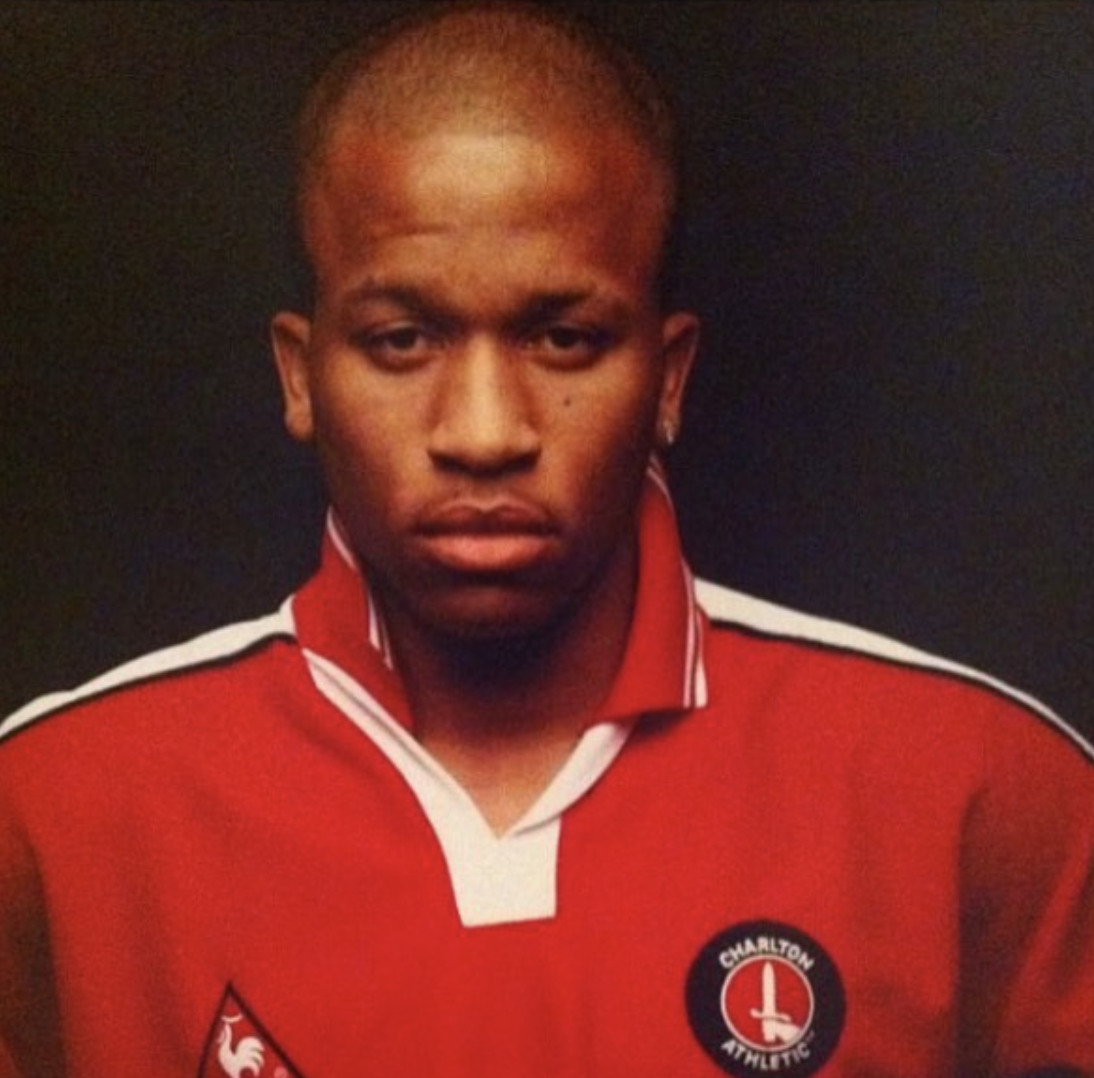
As a former professional footballer, my journey through the game has shaped not only my career but also my understanding of resilience, performance, and mental wellbeing. I began as a schoolboy player at West Ham United F.C., developing within one of England’s most respected academies, before earning a professional contract with Charlton Athletic F.C. during their time in the Premier League. Competing at that level exposed me to the psychological demands of elite sport, experiences I now draw upon to support others in navigating pressure, identity, and mental health both on and off the pitch.
Leading Under Pressure: What Dante Moore Teaches Us About Mental Health, Growth, and Accountability
In elite sport, we often celebrate physical performance, the throws, the wins, the stats. But beneath that surface is something far more powerful and often overlooked: mental resilience. The journey of Dante Moore, quarterback for the Oregon Ducks football, offers a compelling lens into the psychological demands of leadership, growth, and self-accountability.
This isn’t just a sports story, it’s a mental health story.

The Shift From Talent to Leadership
One of the most telling observations from teammate Iapani Laloulu is that Moore has become “more vocal.” On the surface, that sounds simple. But psychologically, it represents a profound shift.
Being “vocal” is not just about speaking louder, it’s about:
Taking ownership
Being seen and heard
Risking criticism
Holding others accountable
For many young people (and adults), this is deeply uncomfortable. It requires moving from internal pressure (“I need to perform”) to external responsibility (“I need to lead”).
That transition can trigger:
Anxiety about judgment
Fear of getting it wrong publicly
Imposter syndrome
Moore’s development here reflects a key mental health principle: growth often requires discomfort.

The Psychology of Being Challenged
Laloulu highlights something powerful:
“If you stay in comfortable situations… you're not going to get better.”
This aligns directly with psychological theories of growth, particularly within performance psychology. Growth happens in what’s often called the “stretch zone”, not comfort, not overwhelm, but challenge.
In mental health terms, this means:
Avoiding difficulty can reinforce anxiety
Facing challenge builds resilience
Constructive pressure can enhance confidence over time
Under head coach Dan Lanning, the culture appears to embrace accountability at all levels, not just younger players. That’s crucial.
Why?
Because psychologically safe environments are not ones without challenge, they are environments where:
Everyone is held to a standard
Feedback is consistent
Growth is expected, not optional
Accountability: The Core of Emotional Maturity
Moore and Laloulu both emphasise accountability, not just individually, but collectively.
From a mental health perspective, accountability is often misunderstood. It’s not about blame, it’s about:
Self-awareness
Responsibility for actions
Alignment with values
When athletes say they need to “hold themselves and others accountable,” they are describing:
Emotional regulation under pressure
The ability to give and receive feedback
A shared sense of purpose
These are the same skills we aim to build in therapy, leadership training, and personal development work.
The Importance of Connection and Belonging
Laloulu also speaks about welcoming transfer quarterback Dylan Raiola, inviting him into family spaces and ensuring he doesn’t feel alone.
This is more than team bonding. It’s a protective mental health factor.
Research consistently shows that belonging reduces stress and improves performance. For young athletes navigating:
New environments
High expectations
Identity shifts
…feeling “you’ve got a family here” can be the difference between thriving and struggling.
This reflects a key therapeutic idea: Connection is regulation.
When people feel safe and supported, their nervous system settles. They think more clearly, perform better, and cope more effectively.

Growth Is Not Linear
Moore’s journey hasn’t been perfect. Losses, sacks, pressure moments, these are all part of the narrative. But from a mental health lens, that’s the point.
We often expect high performers to be consistently excellent. But real growth looks like:
Progress with setbacks
Learning through mistakes
Developing under pressure
The danger comes when individuals interpret setbacks as failure rather than feedback.
Moore’s continued development suggests a healthier framing: Every challenge is data, not a definition of self-worth.
What We Can All Take From This
You don’t need to be a quarterback to relate to this story. The themes apply across life:
1. Growth requires discomfort
If you’re always comfortable, you’re probably not growing.
2. Leadership starts internally
Before leading others, you must manage yourself, your emotions, your mindset, your reactions.
3. Accountability builds confidence
Owning your actions strengthens, not weakens, your sense of self.
4. Connection is essential
We perform and cope better when we feel supported.
5. Setbacks are part of the process
They are not the end of the story, they are part of the development.

Final Thought
What we’re seeing with Dante Moore is not just a quarterback improving, it’s a young person stepping into identity, responsibility, and resilience. And that’s the real win. Because long after the games are over, those are the skills that sustain mental health, leadership, and life.
KG
Kevin George
Kevin George is a psychotherapist, former professional footballer, and Amazon No.1 bestselling author of Soccology: Inside the Hearts and Minds of Successful Professionals. He specialises in men's mental health, athlete psychology, and trauma-informed practice, and is the founder of Soccology CIC. He is based in London and writes at kevingeorge.online.