Maradona vs Messi: The Football Debate That Says More About You Than Them
By Kevin George | Clinical Therapist, Former Professional Footballer, Author of Soccology
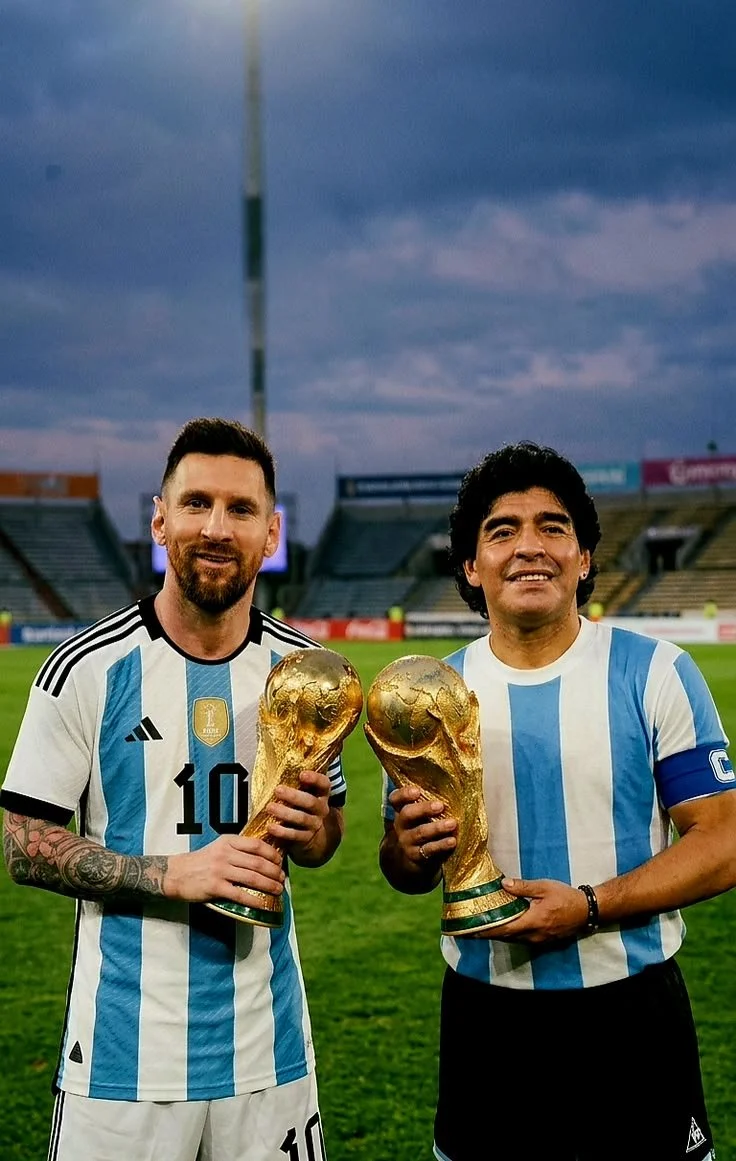
Diego Maradona and Lionel Messi with World Cup Trophies after Victory with Argentina
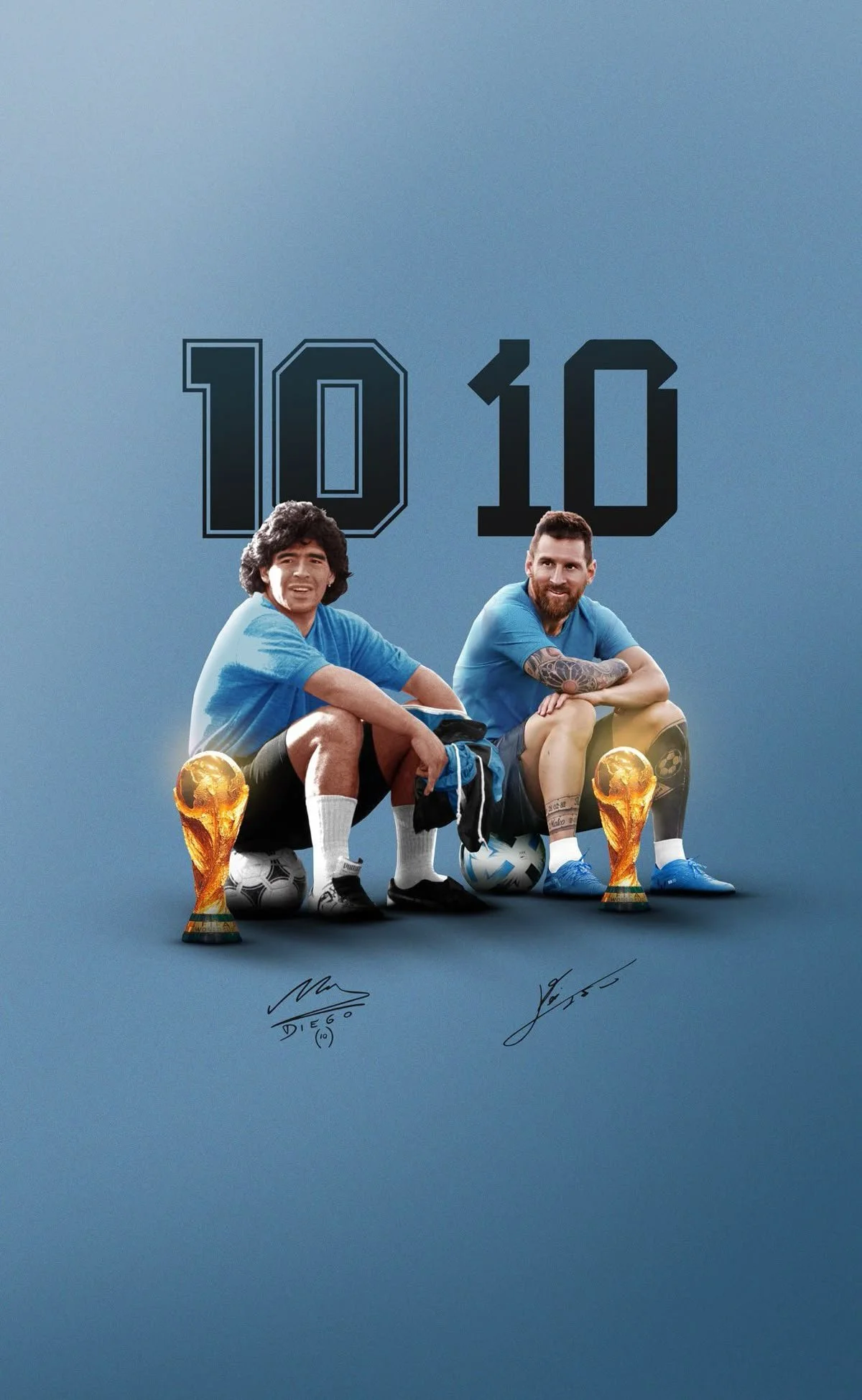
Every generation has its football argument. Pele or Maradona. Cristiano Ronaldo or Lionel Messi. For many, however, the most emotionally charged debate remains Diego Maradona versus Lionel Messi.
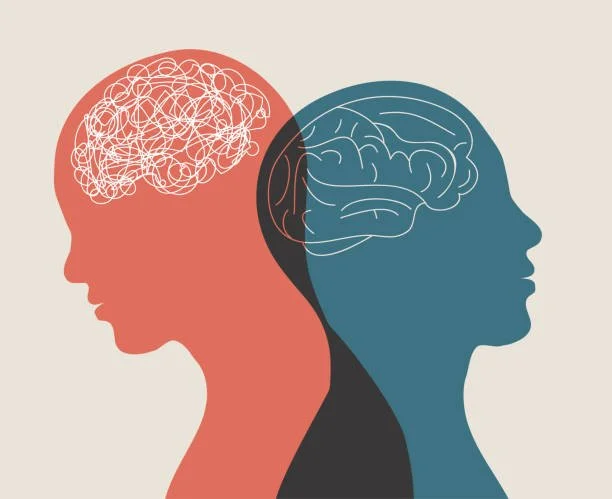
At first glance, it appears to be a discussion about football. In reality, I believe it is often a discussion about ourselves.
As a therapist and former professional footballer, I've become increasingly interested in why we judge athletes the way we do. Not because there is always a right answer, but because our answers often reveal something about our own psychology.
The Contradiction of "Objective Greatness"
In my view, Lionel Messi is the greatest footballer who has ever lived. Ironically, that's an objectively subjective statement. Football will never produce a perfectly objective answer because greatness depends partly on what we choose to value.
However, if we examine measurable performance, technical ability, longevity, consistency, trophies, assists, goals, creativity, adaptability and statistical output, Messi's case is overwhelming. Across almost every metric available, he has reached levels the game has never previously seen.
Yet my favourite footballer has never been Messi. It has always been Ronaldo Nazário. The Brazilian phenomenon remains, for me personally, the most exhilarating footballer I've ever watched.
That distinction matters. The greatest and your greatest are not always the same person. Recognising the difference is an important therapeutic skill because it helps us separate evidence from emotional attachment.
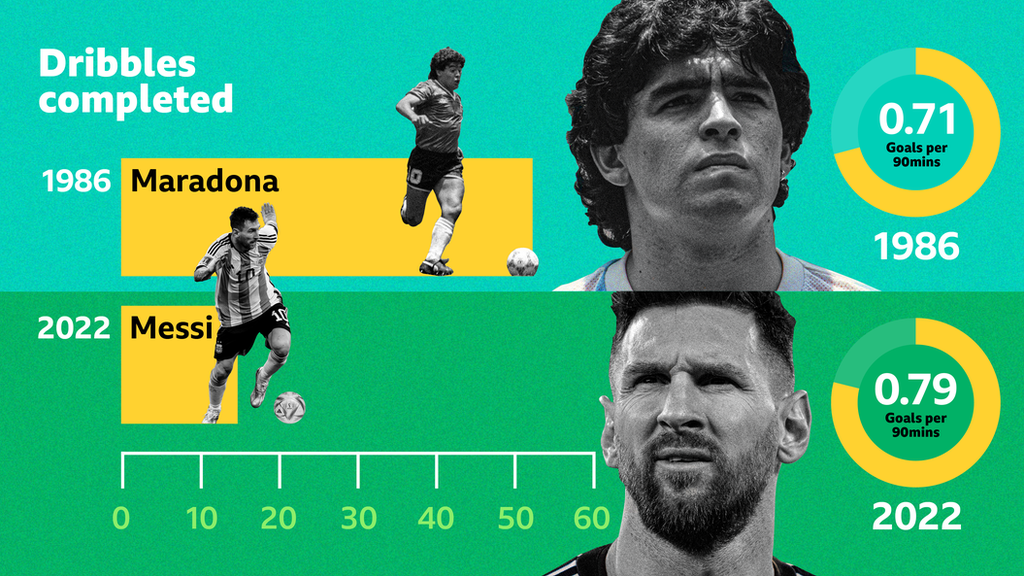
Diego Maradona and Lionel Messi Statistics, from their World Cup Winning Years
Why So Many Still Choose Maradona
Despite Messi's extraordinary achievements, millions still believe Diego Maradona was greater. Some will point to pure talent.
Others will point to the almost mythical story of carrying Napoli to Serie A titles against the established powerhouses of Italian football. Those arguments deserve respect.
But I believe there is another reason that receives far less attention. Maradona was a flawed genius. More importantly... He allowed the world to see it.
The Psychology of Imperfection
Modern elite athletes are often highly protected. Their public image is carefully managed.
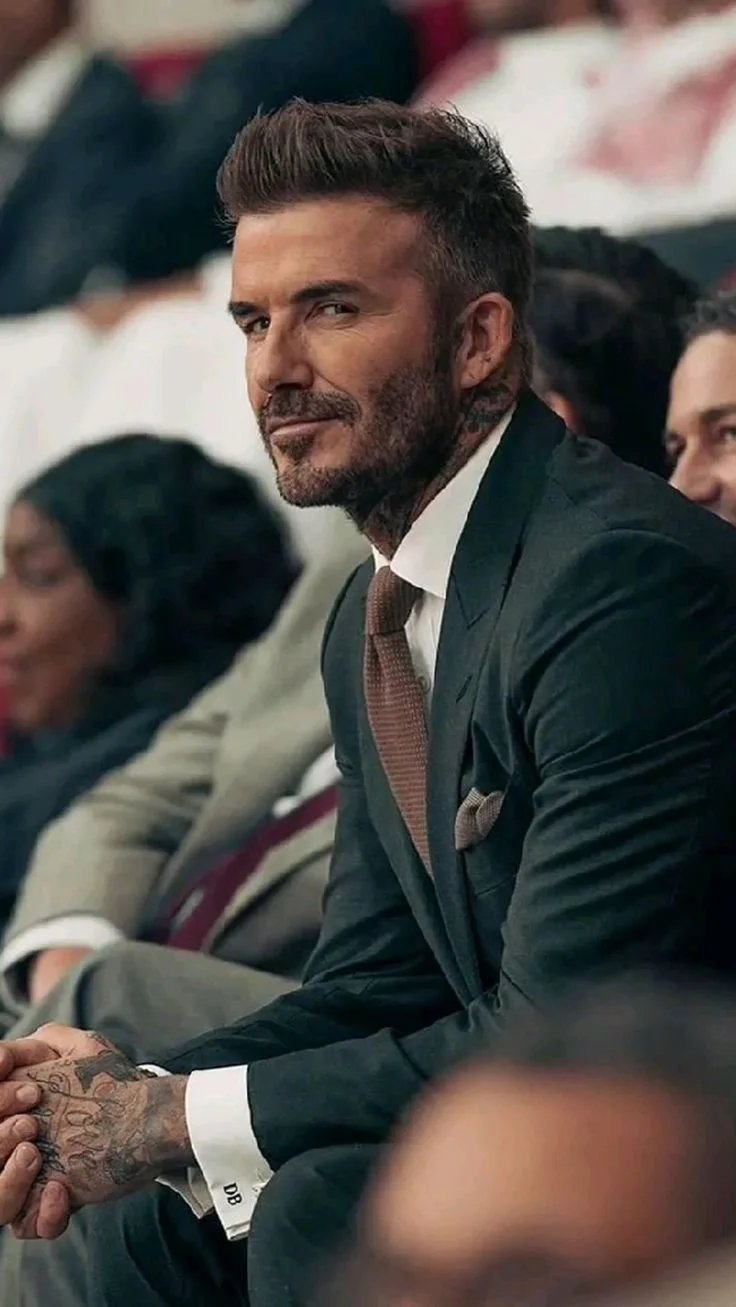
David Beckham at Sports Match
Media teams respond quickly. PR specialists shape narratives. Sponsors protect brands.
Footballers such as David Beckham have become examples of exceptional professionalism and image management. When controversy appears, it is usually addressed swiftly, carefully and strategically.
Maradona represented almost the opposite. His brilliance and his struggles unfolded in public. His addictions. His mistakes. His emotions. His celebrations. His controversies. His humanity.
He often behaved in ways many people recognised within themselves. Messy. Emotional. Impulsive. Contradictory. Human.
One example came during the 2018 FIFA World Cup in Russia. Following Argentina's dramatic victory over Nigeria, videos circulated around the world showing Maradona behaving erratically in the stands after an emotional evening. Rather than diminishing his legend for many supporters, moments like these reinforced something else entirely.
He wasn't pretending. Whether people approved or not, they believed they were seeing the real Diego.
We Don't Just Support Footballers
We attach to them. Psychologically, public figures often become containers for aspects of ourselves.
Carl Jung described something similar through the concept of the Shadow, the parts of ourselves we suppress, deny or hide from public view.
Many people spend years trying to appear composed. Successful. Controlled. Acceptable. Maradona represented permission.
Permission to be gifted without being perfect. Permission to be admired despite mistakes. Permission to be loved despite flaws. When supporters watched Maradona, they weren't always just watching football.
Sometimes they were watching someone live the parts of life they themselves had learned to repress. That creates an emotional bond that statistics cannot measure.
Messi: Admired From a Distance
Messi evokes a different response. He is almost universally respected. Admired. Celebrated. Yet many people struggle to describe who Lionel Messi actually is beyond football.
He is famously private. Reserved. Quiet. Disciplined. There is very little public access to his internal world.
As a result, people often admire Messi from a distance rather than identify with him emotionally. His greatness feels extraordinary.
Maradona's felt relatable. One inspires aspiration. The other often evokes identification. Those are psychologically different experiences.
What Our Football Opinions Reveal About Us
When I facilitate psychoeducation through football, I often encourage people to become curious about their opinions rather than defend them.
Why do you love this player? Why does another player irritate you? Why do you forgive one person's mistakes but condemn someone else's?
Why does one athlete feel authentic while another feels manufactured? These questions move us beyond football and into self-awareness.
Our sporting heroes frequently mirror our own values, unmet needs, life experiences and unconscious biases.Developing therapeutic awareness means noticing these reactions instead of simply arguing about them.
It allows us to ask a better question. "What is this opinion telling me about myself?"
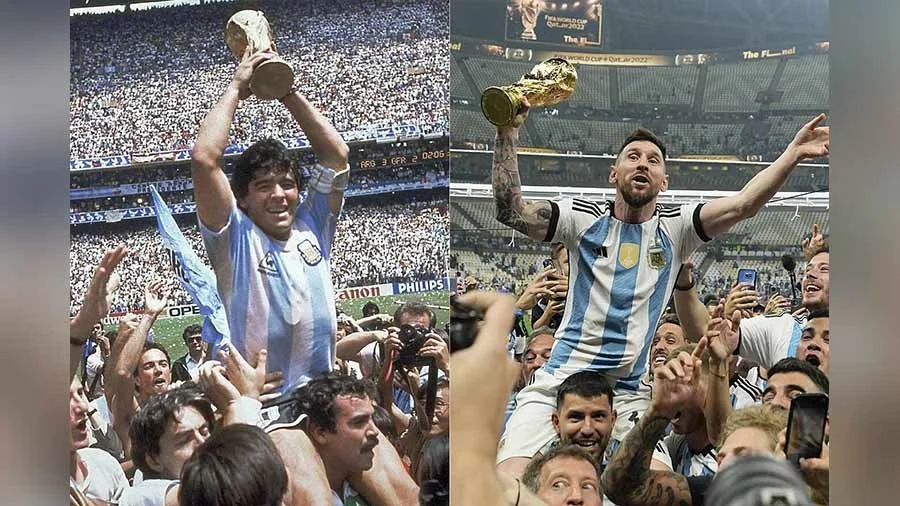
Diego Maradona and Lionel Messi being lifted by their team mates after World Cup Victory with Argentina
Football as a Window Into Human Behaviour
This is one of the reasons I wrote Soccology. The book was never simply about football. It was about using football to better understand people.
I'm incredibly grateful that former Argentina international and Premier League goalkeeper Willy Caballero chose to contribute to the book. His reflections remind us that behind every elite performer is a human being navigating pressure, identity, success and vulnerability.
When we understand the psychology behind football, we begin to understand something much bigger. We understand ourselves.
The Real Winner
The Maradona versus Messi debate will probably never end. Nor should it. Its value isn't found in reaching unanimous agreement.
Its value lies in understanding why different people arrive at different conclusions. Some are persuaded by numbers. Others by memories. Some by trophies. Others by emotion. Some admire perfection. Others connect with humanity.
Perhaps the healthiest position is recognising that football debates are rarely just about football. They are conversations about identity, belonging, aspiration and acceptance. And if we become curious about the stories behind our opinions, football can become one of the richest therapeutic tools we have.
Because sometimes, discovering why you chose Maradona over Messi tells you far more about yourself than it ever tells you about either of them.
Kevin George is a BACP-registered clinical therapist, Senior Family Therapist, Director of Soccology CIC and author of the Amazon No.1 bestseller Soccology. He works at the intersection of elite sport, clinical practice and community mental health. His private practice operates in Westminster and Beckenham,
FAQ
Who is better, Diego Maradona or Lionel Messi?
There is no universally accepted answer. Based on measurable achievements, consistency, longevity, goals, assists, trophies and overall performance, many analysts consider Lionel Messi to be the greatest footballer in history. However, Diego Maradona's extraordinary talent, leadership and emotional impact—particularly his achievements with Napoli and Argentina—mean many supporters still regard him as the greatest.
Why do some people prefer Maradona over Messi?
For many fans, the preference extends beyond football. Maradona publicly displayed both his brilliance and his flaws, making him deeply relatable. His life story, personality and vulnerability created an emotional connection that statistics alone cannot explain.
Why is Lionel Messi often described as the greatest footballer of all time?
Messi's case is built on exceptional consistency over two decades, record-breaking statistics, technical excellence, longevity, adaptability across competitions and sustained success for both club and country. His achievements provide one of the strongest objective arguments in football history.
Can psychology explain why we choose one footballer over another?
Yes. Our sporting preferences are often influenced by our personal experiences, values, identity, emotional needs and unconscious biases. The footballers we admire may represent qualities we aspire to, identify with or see reflected in ourselves.
What is therapeutic awareness?
Therapeutic awareness is the ability to notice and understand our thoughts, emotions, beliefs and behaviours without immediately judging them. It encourages curiosity about why we think and feel the way we do, helping us develop greater self-awareness and emotional resilience.
What does Carl Jung's concept of the Shadow have to do with football?
Jung's concept of the Shadow refers to the parts of ourselves we suppress or hide. Public figures, including footballers, can unconsciously carry these projected qualities for us. Some people connected with Maradona because he openly expressed imperfections that many people feel they must conceal.
Why are football debates useful in therapy or psychoeducation?
Football creates emotional engagement in a psychologically safe way. Discussing favourite players, rivalries and memorable moments often opens conversations about identity, resilience, attachment, masculinity, self-esteem and emotional expression without the stigma that can accompany traditional mental health discussions.
Why do some athletes feel more relatable than others?
Relatability often depends on how much of a person's authentic life is visible. Athletes who openly acknowledge struggles, mistakes and vulnerabilities may create stronger emotional connections than those whose public image is carefully managed or remains largely private.
What is Soccology?
Soccology is a psychoeducational approach created by Kevin George that uses football as a vehicle to explore psychology, emotional literacy, mental health, identity and human behaviour. By connecting psychological concepts to the world's most popular sport, Soccology helps make emotional learning more accessible and engaging.
How can football improve emotional literacy?
Football naturally evokes emotions such as joy, disappointment, anxiety, hope, confidence and frustration. Reflecting on these experiences helps individuals recognise, understand and regulate emotions while developing empathy, resilience and greater self-awareness.